

There is a great need for ongoing authentic Métis voice, representation and expression of our unique cultural identity, and a Métis studies conference convenes people this September.
Articles on Métis
Displaying 1 - 20 of 62 articles
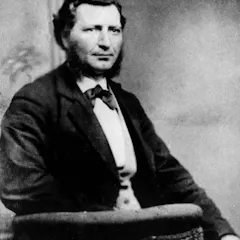
Riel regularly reappears in political debates, artistic creations and discussions of identity. Rebel, prophet, MP, traitor — Riel’s legacy reflects a country still struggling to understand its own foundations.

Evacuations do not impact everyone the same way, and Indigenous evacuees can be re-traumatized and treated poorly.
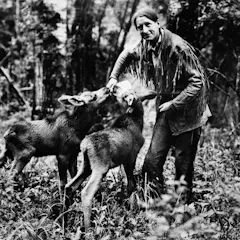
Four Red River Métis scholars discuss their intimate role in the ongoing issue of Indigenous identity fraud.
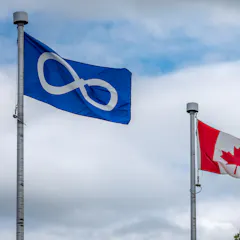
Now more than ever we need Red River Métis health data that is conducted ethically and is respectful of both individual and collective rights, and accurately represents our distinct population.
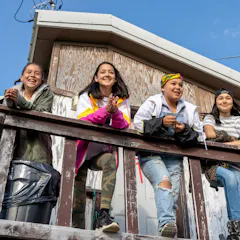
The Winnipeg-based series has screened over 100 films in multiple genres by Indigenous filmmakers, and brings filmmakers together with audiences as a form of public education.
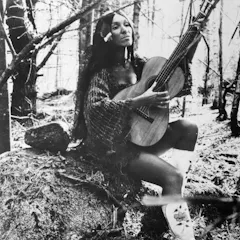
Lori Campbell, a ‘60s Scoop survivor, challenges the CBC’s motives in their exposé on the questionable Indigenous roots of legendary singer-songwriter Buffy Sainte-Marie.
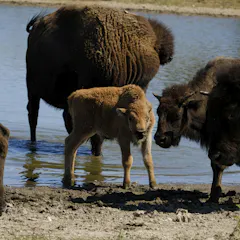
Efforts are being made to develop the capacity of Native tribes to manage bison and bison habitats. An Indigenous scholar explains their sacred significance.

Saskatchewan’s provincial government must work with Indigenous nations on a shared vision for the future that is more likely to withstand the tests of time and litigation.
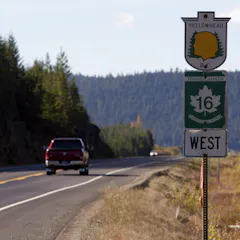
Transport development paved the way for colonization and is directly linked to the chronic and extreme social inequities Indigenous communities continue to face to this day.

Indigenous economic development corporations can generate income for communities and support the transition to clean energy.
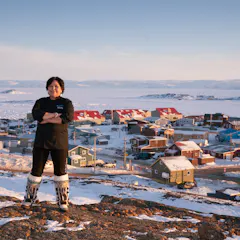
Indigenous women are using sustainable tourism to overcome generational challenges and as an entrepreneurial means of generating income.

Some have claimed the proposed new Indigenous names for Winnipeg streets are too difficult to pronounce. But what does it mean when we say a word is hard to pronounce?

For Indigenous literature courses to be successful, Indigenous cultural safety must be centred, and commitment to teacher professional development is a must.

In order to meet its 2030 biodiversity targets, Canada is heavily relying on Indigenous Protected and Conserved Areas, which could do more harm than good for First Nations, Inuit and Métis.

Few Canadians know about the doctrine of coverture and how it stripped Indigenous women of their agency.

Spirituality is a vital part of Indigenous identities. Incorporating spiritual education can create space in schools where Indigenous students can learn and grow.
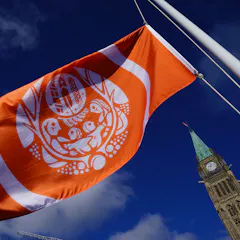
To fully implement the UN Declaration on the Rights of Indigenous Peoples, Canada must engage in genuine and inclusive law reform.

Indigenous-led conservation economies have immense reconciliatory potential and need to be respectfully supported and engaged in order to create a new shared and equitable economic system.
Beyond revamping misleading terminology, some library science scholars and Indigenous knowledge holders are looking at how to index library materials in ways that reflect Indigenous knowledge.
Top contributors
-

Professor of Geography and Environmental Science, Memorial University of Newfoundland
-
Professor, Technoscience studies + History, University of Toronto
-
Assistant Professor in Aboriginal and Indigenous Law, Dalhousie University
-
Associate Professor, Indigenous Studies Department & Department of Health, Aging and Society, McMaster University
-
Executive Co-Director, UNU Hub on Empowering Communities to Adapt to Environmental Change, United Nations University; University of Calgary
-
Assistant Professor, Faculty of Native Studies and Department of Political Science , University of Alberta
-
Associate Professor & Canada Research Chair, Indigenous Peoples' Health and Well-being, Dalhousie University
-
Senior Lecturer in International Law, The University of Western Australia
-
Assistant Professor, Global Development Studies, Queen's University, Ontario
-
Associate Professor, Department of Indigenous Studies, Simon Fraser University
-
Indigenous community partner, Coordinator of Indigenous Education at Thunder Bay Catholic District School Board
-
PhD Candidate in Community and Regional Planning, University of British Columbia
-
Professeure titulaire, INRS, Institut national de la recherche scientifique (INRS)
-
Assistant Professor/Associate Director, Waakebiness-Bryce Institute for Indigenous Health, University of Toronto
-
Adjunct professor, Theological Studies, Concordia University