
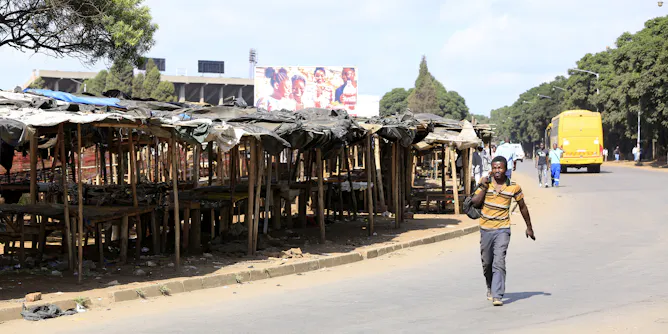
The current lockdown in Zimbabwe is going to provide a stern test for its informal economy, which is the country’s dominant economy and employs 90% of people.
Articles on International Monetary Fund (IMF)
Displaying 101 - 120 of 247 articles
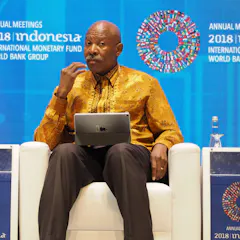
The IMF/World Bank spring meetings offer Africa an opportunity to put on the table what it needs to mitigate the impact of COVID-19.
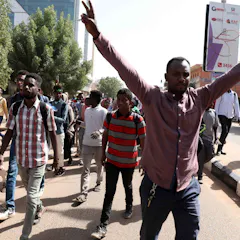
Taking Sudan off America’s list of terror is just one step in the country’s journey to economic recovery
How many people realise that the central banks’ great programme for reviving the global economy involves hand-picking which companies and sectors to help out?
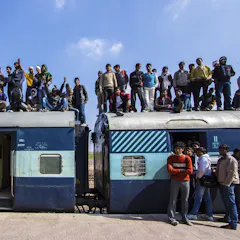
The Modi boom was built on sand – and now the tide has come in.

The new government of Alberto Fernandez must now deal with Argentina’s least favourite international organisation.
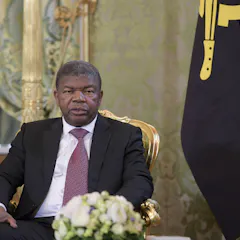
The euphoria that accompanied João Lourenço’s new presidency has ebbed away amid the stark realities of a profoundly dysfunctional political economy.

A toxic mix of ugly politics and structural economic problems is threatening to tip debt over the edge.
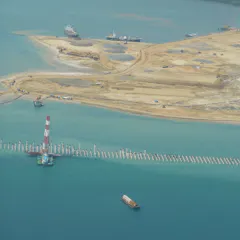
A new push to focus development efforts on big infrastructure projects could have unitended consequences.
University of Canberra Deputy Vice-Chancellor Professor Leigh Sullivan discusses the week in politics with Michelle Grattan.

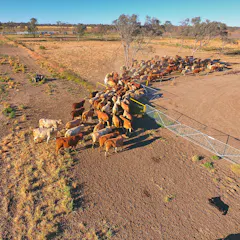
On two fronts now Morrison, who likes to be in control, is at the mercy of events he can’t control: the drought, and the IMF’s downgrading of Australia’s growth outlook.
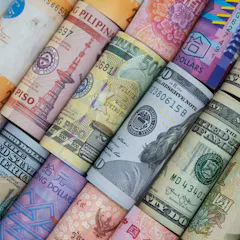
Global forces affect corruption, too.

Where should we place Mugabe among the pantheon of African nationalists who led their countries to independence?
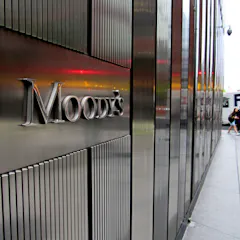
How South African manages the fallout from its likely downgrade by Moody’s in November will determine whether the country will be forced to turn to the IMF for a bailout.

The primary results confirm the end of the austerity project but this is not enough to solve Argentina’s fundamental problems.
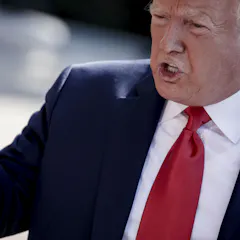
The US and China have an interdependent economic relationship. If this unravels it will have global ramifications.
Abolishing the secretive World Bank Tribunal known as the ISDS won’t solve all of the problems of global economic governance. But it seems a very good place to start.
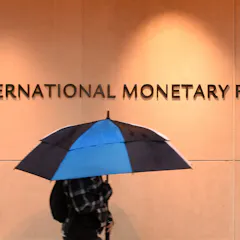
The IMF has increasingly turned its focus to growing inequality worldwide. Ironically, research shows that policy reforms it mandated exacerbated income inequalities.
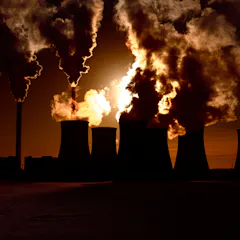
The fossil fuel industry depends on massive government support, which makes the public foot the bill for a harmful and uncompetitive industry.
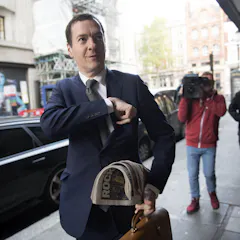
The main distinguishing feature of Osborne’s policy record was presiding over one of the worst economic recoveries in British history.
Top contributors
-

Professor/Senior Research Fellow, Centre for Advancement of Scholarship, University of Pretoria
-
Dean of Business School, University of Southern Queensland
-
Post Doctoral Researcher, Graduate School of Business (GSB), University of Cape Town
-
School of Social Sciences, Monash University
-
Professorial Fellow, University of Canberra
-
Associate Lecturer, University of Aberdeen
-
Professor of Finance, University of Liverpool
-
Professor of International Political Economy and Development, University of Glasgow
-
Scientia Professor of Economics, UNSW
-
Professor of Practice in Climate Policy, University of Oxford
-
Reader in International Relations, Royal Holloway, University of London
-
Professor of Economics & Business, Allegheny College
-
Associate Professor of Economics, Indiana University
-
Professor of History, Tufts University
-
Professor in The Division of Global Affairs and The Department of Political Science, Rutgers University - Newark