
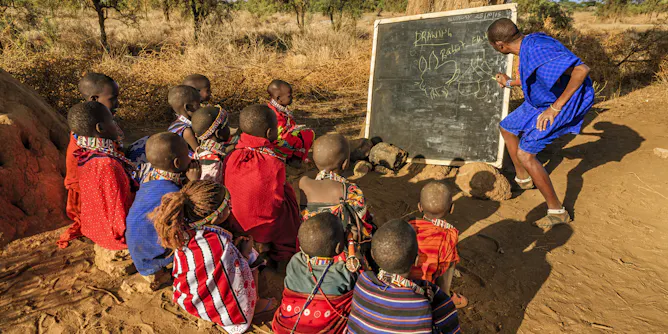
A two-part new approach to helping countries manage their debt would improve the situation for governments as well as their creditors.
Articles on International Monetary Fund
Displaying 1 - 20 of 60 articles

Anura Kumara Dissanayake touted his victory as a ‘fresh start’ for the South Asian nation, two years after it came to the brink of economic collapse.
The new cabinet needs to transform the status quo.

Kenya is not an isolated case. Twenty-one countries are receiving IMF support.
Kenyan activism is witnessing a shift from ethnic-based mobilisation to issue-based activism.

Infrastructure is always a vexed issue. The program is full of pork barrelling, whoever is in power. Even when that’s not involved, what to build and when it should be built is often contested.
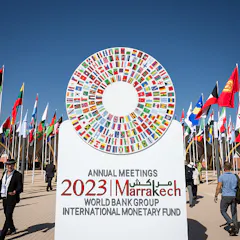
The World Bank and IMF need to continue evolving if they are to remain fit for purpose in the 21st century.
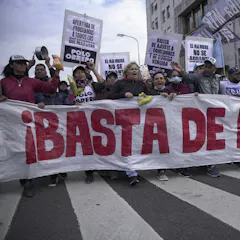
The conditions placed on countries borrowing money from the International Monetary Fund have further disadvantaged these countries economically.
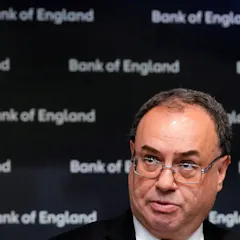
The bank has set hares running by forecasting actual growth of the UK economy in 2023, while most other forecasters are more downbeat.
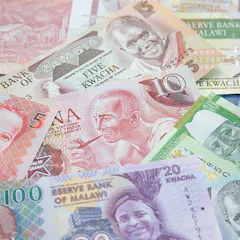
Debt forgiveness isn’t the answer. History is replete with examples of countries that are serial defaulters.
Thirty years ago the World Bank recognised that its position was untenable. It put in place mechanisms to make the bank more accountable to ordinary people.
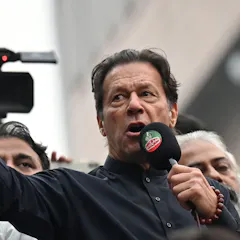
Former prime minister emerges from assassination attempt wounded, but vowing to continue protest against government.
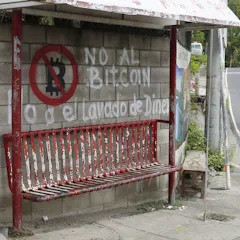
El Salvador’s President Nayib Bukele thought making Bitcoin legal tender would revolutionise his country’s economy, He was wrong.
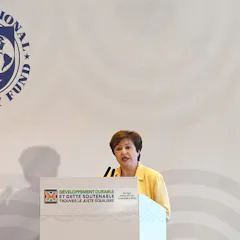
The IMF sends its staff on two types of mission to member countries: to assess the state of the country’s macro economy or to assess the need for financial support.
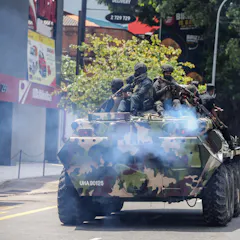
Sri Lankans are contending with growing levels of starvation, death and disruption. Now they are also facing the brutal violence of the state.
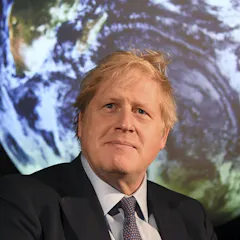
Rich nations need to provide far greater climate adaptation financing to low income countries and plug the holes that siphon their limited fiscal resources to tax havens.
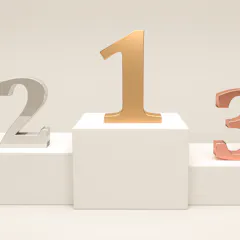
Allegations that World Bank officials manipulated country rankings in its much-used ease of doing business index highlight a deeper problem with these types of rankings.
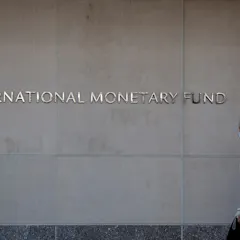
The IMF’s injection of US$650 billion worth of Special Drawing Rights into the global economy opens a window for African countries to reform their relationship with the fund.
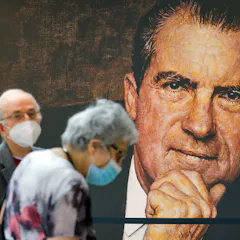
Nixon’s decision left the IMF without a clearly defined role. Under the leadership of the industrialised countries, it began to fashion a new more intrusive and ideological role.
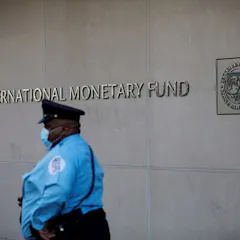
IMF programmes run the risk of having too many conditions. This may drive countries into financial disaster. And back to the IMF again.
Top contributors
-

Professor/Senior Research Fellow, Centre for Advancement of Scholarship, University of Pretoria
-
Reader in International Relations, Royal Holloway, University of London
-
Professor of Economics, University of the Western Cape
-
Senior lecturer, Canberra School of Government, University of Canberra
-
Professor of Democracy, University of Birmingham
-
Senior Research Fellow, World Institute for Development Economics Research (UNU-WIDER), United Nations University
-
Assistant Professor of Anthropology, Florida State University
-
Senior Lecturer in Economics | Freelance Consultant, Sheffield Hallam University
-
Professor of Politics & Co-Director, Aston Centre for Europe, Aston University
-
Associate Professor, The University of Western Australia
-
Professorial Fellow, University of Canberra
-
Head: Wits School of Governance, University of the Witwatersrand
-
Research fellow in politics and sociology, University of Oxford
-
PhD Research Fellow – Finance, University of Greater Manchester
-
Research Fellow in International Development, University of East Anglia