

The idea that South Africa must look towards the International Monetary Fund to rescue itself from the prevailing crisis must be dismissed.
Articles on International Monetary Fund (IMF)
Displaying 141 - 160 of 247 articles
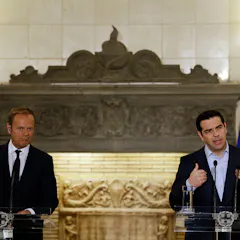
Europe is experiencing a wave of optimism that its seven-year Greek drama may be finally coming to a close. Only one way to do that: Share Greece’s pain.
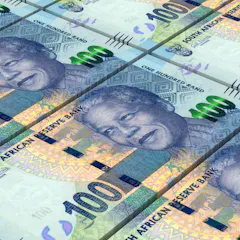
The International Monetary Fund’s view of how to fix South Africa’s economy deserves to be seriously considered.

The G20 has stopped showing economic leadership at a time when risks are high. Australia can play a role in addressing this.
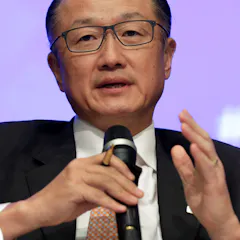
Africa should be concerned about news that the World Bank is looking to migrate from the model that largely relies on funding member states to become a broker of private capital.
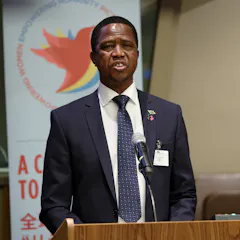
The IMF’s decision to go ahead with a bailout package for Zambia, despite the government’s democratic failings, could embolden the president to pursue an authoritarian strategy.
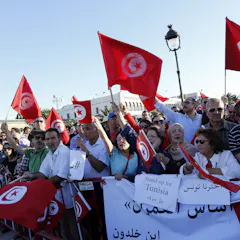
Protests in Tunisia and Morocco show underlying causes of the Arab uprisings remain intact.
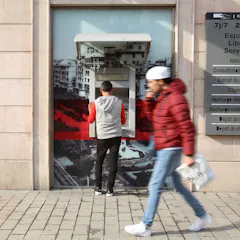
Tunisia’s economy has been struggling since the country’s 2011 revolution. Corruption and bad governance within the banking sector is not helping.
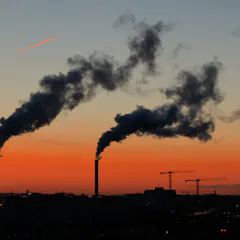
Our approach to economic growth has done more harm than good and must be be replaced with more appropriate goals.
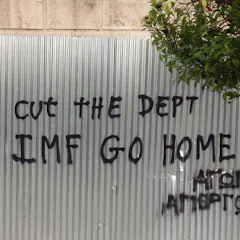
Where now for one of the great emblems of post-World War II global co-operation?
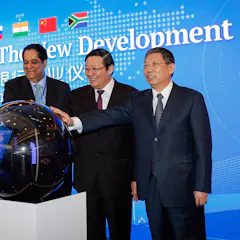
The BRICS New Development Bank has promised to change the world of multilateral development funding but has so far failed to live up to expectations.
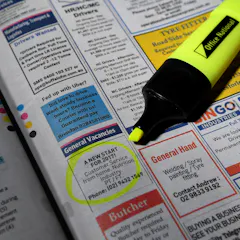
Wages are sluggish, underemployment seems stubbornly high, and there is a continued push to part-time rather than full-time employment.
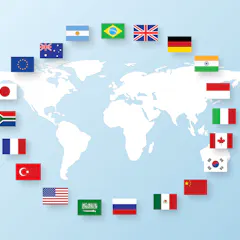
In its agenda to reform global economic governance the developing world should look for ways to extract some value from the G20.

Ghana is very much the African rising star 60 years after independence with an exemplary record in health and education. But it’s struggling like many of its peers to meet social and economic targets.
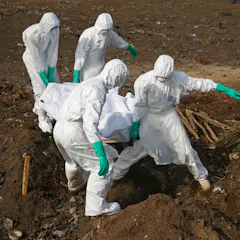
West African health systems were weak before the IMF got involved. Sadly, the policy reforms demanded by the IMF in exchange for loans have undermined governments’ ability to repair these problems.
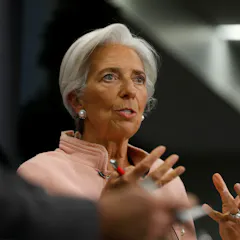
The IMF has been expressing public concern about inequality since 2010, but this has not translated into concrete action within the IMF’s own policies and programs.
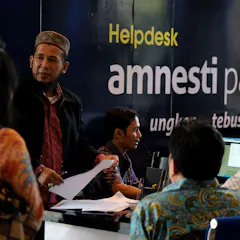
The success of the first phase prompted financial observers to hail Indonesia’s tax amnesty program as one of the most successful in the world.
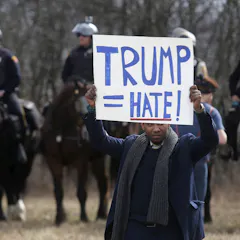
The United States under the leadership of Donald Trump is expected to pursue isolationist policies which could hurt Africa.
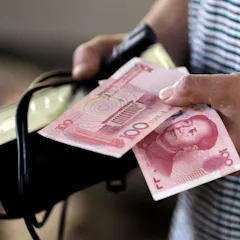
The Chinese government should focus less on promoting the yuan internationally and more on domestic financial reform.
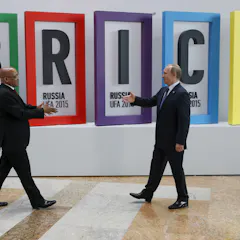
BRICS is slowly being written off as a bloc that can administer coherent political action.
Top contributors
-

Professor/Senior Research Fellow, Centre for Advancement of Scholarship, University of Pretoria
-
Dean of Business School, University of Southern Queensland
-
Post Doctoral Researcher, Graduate School of Business (GSB), University of Cape Town
-
School of Social Sciences, Monash University
-
Professorial Fellow, University of Canberra
-
Associate Lecturer, University of Aberdeen
-
Professor of Finance, University of Liverpool
-
Professor of International Political Economy and Development, University of Glasgow
-
Scientia Professor of Economics, UNSW
-
Professor of Practice in Climate Policy, University of Oxford
-
Reader in International Relations, Royal Holloway, University of London
-
Professor of Economics & Business, Allegheny College
-
Associate Professor of Economics, Indiana University
-
Professor of History, Tufts University
-
Professor in The Division of Global Affairs and The Department of Political Science, Rutgers University - Newark