
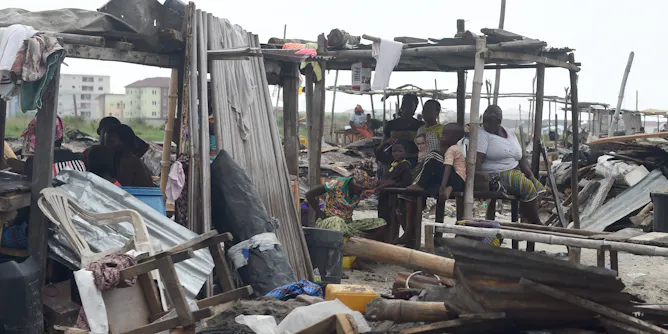
Residents whose homes cluster along waterways, canals and shorelines have built organised systems for living with climate change.
Articles on Informal settlements
Displaying 1 - 20 of 63 articles
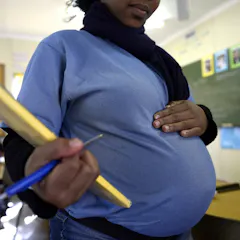
Programmes to address transactional sex need to be customised. The drivers change from country to country.

Microbiomes influence how efficiently a child’s body extracts and uses nutrients from food for growth and development.
Every city is different but they can learn from each other.

An assessment of a learning intervention showed that the impact differed between groups of pupils.
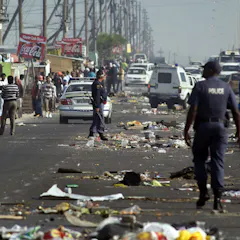
A more responsive government would avoid a turn to militant protests to air grievances.
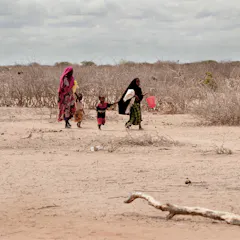
Heatwaves were shown to contribute to a 14.9% rise in suicidal thoughts.

A new book documents how young people in an informal settlement on the outskirts of Johannesburg use social ties to find ways of making a living.

A South African government intervention is addressing the symptoms of the 2024 outbreak of food-borne illnesses, not the underlying causes.
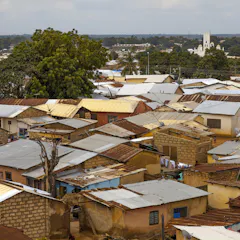
Development projects must be tailored to the context of the communities they are supposed to help.

Simple steps can help families reduce the risk of fire in their homes and communities.
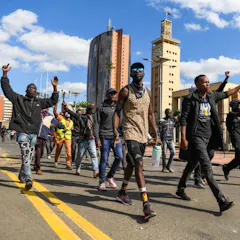
Protests in Kenya reveal that a young, enlightened, urban population can drive a hard bargain with a state that is failing them.
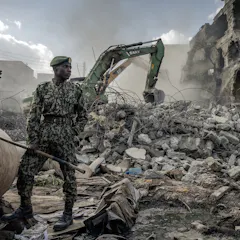
In response to flooding that destroyed homes and displaced thousands in Nairobi’s informal settlements, the government has been evicting people living in riparian areas.
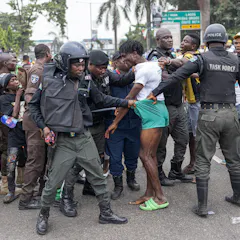
Youth migration, unemployment, proliferation of small arms and drugs are some of the drivers of violent crimes in Lagos.
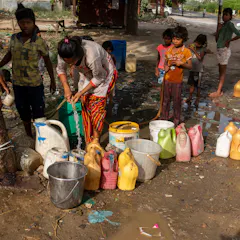
Most of the 1 billion people in informal settlements are in the tropics where the threat of humid heat is rising. Poor weather station coverage that misses local hotspots puts them even more at risk.
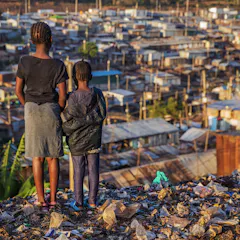
The impact of housing quality extends beyond health to education and subsequent economic outcomes, particularly for children.

Climate change is putting pressure on Ethiopia’s largest city, Addis Ababa, and exposing people to disease and natural disasters.
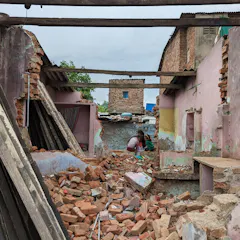
The goal of a ‘slum-free India’ would benefit residents of informal settlements more if the housing being built drew on the features of their old neighbourhoods that made their lives better.
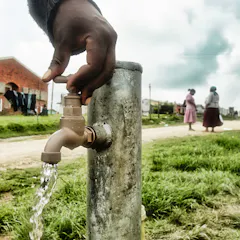
Cholera has persisted longer in Africa largely due to worsening hygiene and sanitation situations in urban areas.

The study highlights the flimsy boundaries between different forms of violence: torture and extrajudicial punishment, lawful arrest, and an unlawful kidnapping.
Top contributors
-

Head of Urbanisation and Wellbeing, African Population and Health Research Center, African Population and Health Research Center
-
Associate Research Scientist, African Population and Health Research Center
-
Institute Associate, Institute for Culture and Society, Western Sydney University
-
Teaching Assistant Professor, University of Pittsburg and Visiting Associate Professor, The University of Osaka, University of Pittsburgh
-
Research Active Lecturer, Discipline of Psychology, Charles Darwin University, Charles Darwin University
-
Research Scientist, African Population and Health Research Center
-
Senior Research Fellow, Digital Media, Western Sydney University
-
Researcher, University of Sydney
-
Associate Professor at the Southern Centre for Inequality Studies, University of the Witwatersrand
-
Distinguished Research Fellow, Human Sciences Research Council
-
Adjunct professor, School of Media and Communications, RMIT University
-
Professor of Urban Physical Geography, Coventry University
-
Professor, University at Buffalo
-
Vice-Chancellor's Senior Research Fellow, RMIT University
-
Doctor of Philosophy, University of British Columbia