
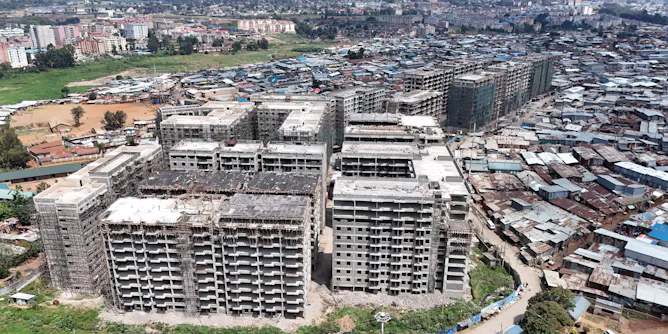
The success of Kibera’s transformation will not be measured by the number of apartment blocks completed.
Articles on Urban informal settlements
Displaying 1 - 20 of 22 articles
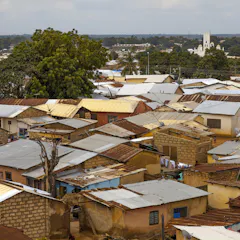
Development projects must be tailored to the context of the communities they are supposed to help.
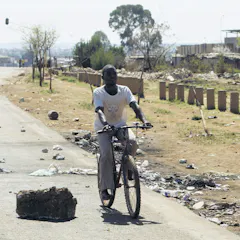
Grassroots protests can change people’s lives for the better.
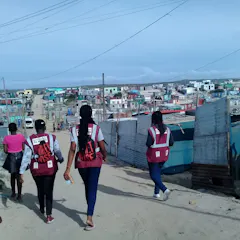
The unique challenges of the pandemic changed the way community organisations work. Organisations that worked in silos during other emergencies bundled their expertise and resources.

The higher pace of demographic ageing and the noncommunicable diseases that come with it call for new management approaches.
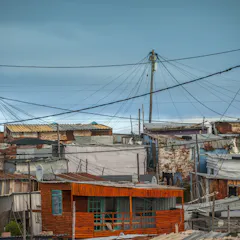
Smoke alarms are used extensively in formal buildings around the world to alert occupants to impending fires, but until recently they’ve not been used informal dwellings.
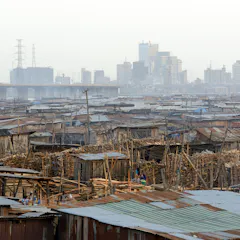
If we learn from COVID-19, there are three key areas to tackle to make cities safer from outbreaks of future infectious diseases.
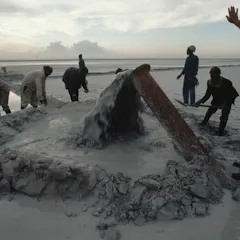
The life story of Mandlenkosi Makhoba represents the losers in the new South Africa, showing how inequality is produced and reproduced generationally.
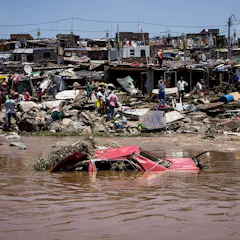
Local government and humanitarian actors are faced with tough choices of prioritising, managing and balancing resources, locations and constituencies.
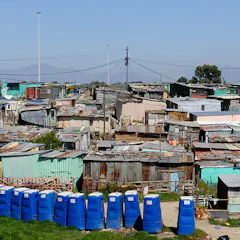
Glaring capacity gaps aside, the failure to curb COVID-19 is not so much due to a lack of technical know-how but to a particular view of the world.
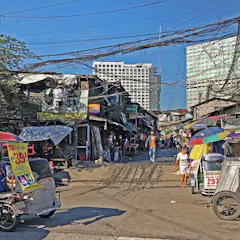
Besides battling the coronavirus pandemic, San Roque residents have long been locked in a bigger struggle for their very survival as a community in the face of home demolitions and relocations.
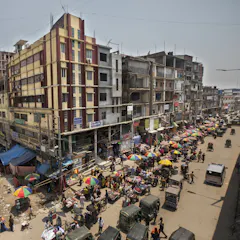
COVID-19 is spreading fast through not only the world’s richest cities but also its poorest, ravaging slum areas where risk factors like overcrowding and poverty accelerate disease transmission.
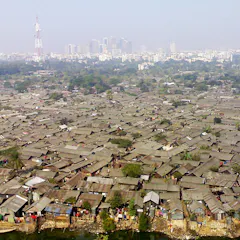
Many are speculating about the pandemic changing how we plan and use our cities. What they overlook is how many people live in unplanned settlements where it’s more likely to be business as usual.
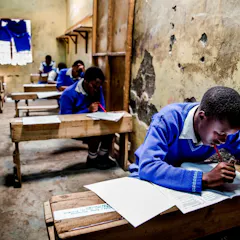
Study presents a model that can be scaled to improve learning outcomes and transition rates for young people living in urban informal settlements.
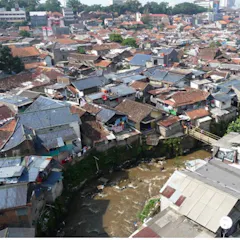
The plight of the urban poor affected by COVID-19 highlights the need to to reaffirm that adequate housing, water supply and sanitation are basic human rights.
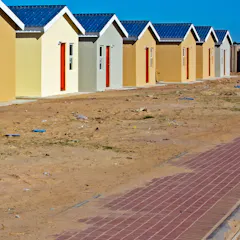
In South Africa and India, research has found that free or affordable housing can actually undermine women’s safety and livelihoods.
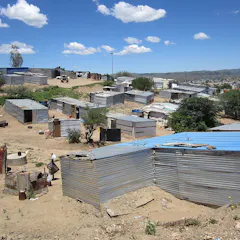
Urban dwellers who live in informal city settlements have limited access to basic services, and many of them don’t own the land they live on.
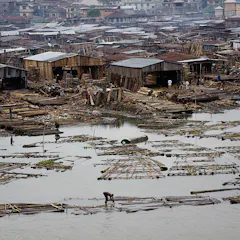
In our urban world, turning the makeshift and the informal into the livable and sustainable is our greatest challenge.
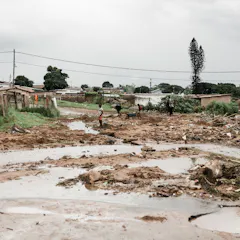
Rebuilding informal settlements after a disaster must be done through learning from those who live in the settlements.
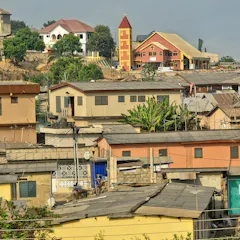
Research in Ghana shows that improving slum housing could be one of the alternatives to the capital’s housing crisis.
Top contributors
-

African Population and Health Research Center
-
Teaching Assistant Professor, University of Pittsburg and Visiting Associate Professor, The University of Osaka, University of Pittsburgh
-
Research Active Lecturer, Discipline of Psychology, Charles Darwin University, Charles Darwin University
-
Richard von Weizsäcker Fellow na Bosch Academy e Co-fundador, Instituto Igarapé; Princeton University
-
Professor and Inaugural Judith Neilson Chair in Architecture, UNSW
-
Research Affiliate, MIT Department of Urban Studies and Planning, Massachusetts Institute of Technology (MIT)
-
Associate professor, University of the Western Cape
-
Professor of Political Studies, University of the Western Cape
-
John Rennie Short is a Friend of The Conversation.
Professor Emeritus of Public Policy, University of Maryland, Baltimore County
-
Senior Lecturer: Environmental and Resource Economics, University of Pretoria
-
Associate Professor, Urban & Regional Planning, Sydney School of Architecture, Design and Planning, University of Sydney
-
Associate Research Scientist, African Population and Health Research Center
-
Associate Professor of Urban Planning, The University of Melbourne
-
Professor of Political Studies, University of Johannesburg
-
Professor of Southern Urbanism, University of Glasgow