
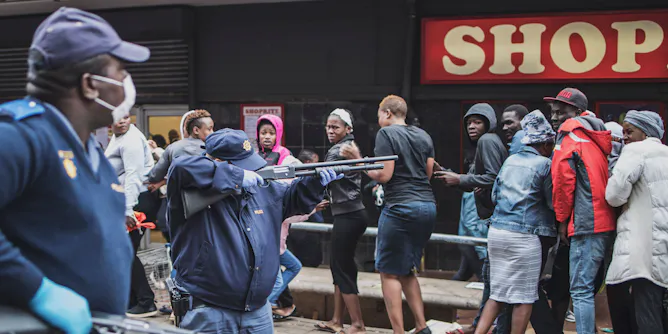
Unlike in wealthy nations, lockdowns are simply impossible in overcrowded conditions with no sanitation and high levels of poverty.
Articles on Informal settlements
Displaying 41 - 60 of 63 articles
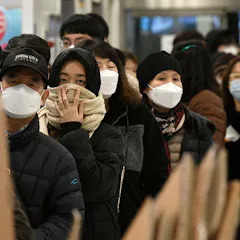
It is not all democracies that struggle to deal with the coronavirus; it is those in which the people do not feel the system works for them.
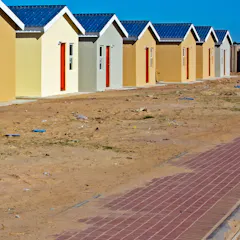
In South Africa and India, research has found that free or affordable housing can actually undermine women’s safety and livelihoods.
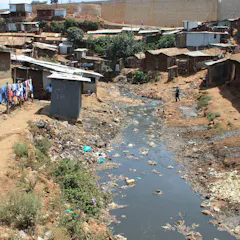
There are huge holes in the governance of Nairobi river and city’s waste which means the river’s condition has deteriorated.
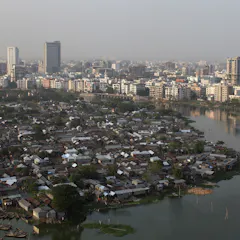
A community of 200,000 in Dhaka faces eviction to make room for “development”. Is it time to rethink the concept, especially with a billion people now living in informal settlements worldwide?
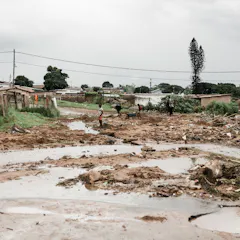
Rebuilding informal settlements after a disaster must be done through learning from those who live in the settlements.
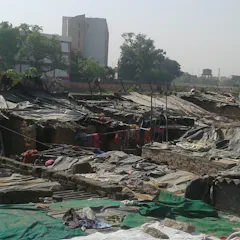
Indians were promised they would be included in planning 100 smart cities and that everyone would benefit. But many of the millions of slum residents have had no say in their homes being destroyed.
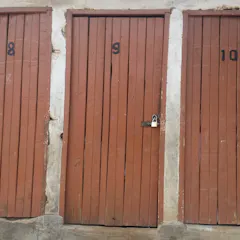
Women in developing countries are burdened by the lack of access to proper toilets in their homes, communities, schools and public spaces.
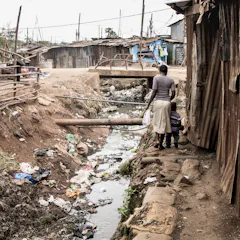
The rental housing market in Nairobi’s informal settlements offers its tenant households a perverse market outcome of higher prices for lower quality products.
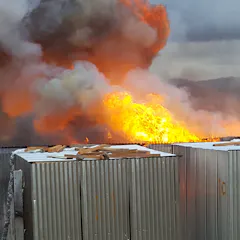
Paraffin stoves are used all over South Africa in millions of households and are the riskiest.
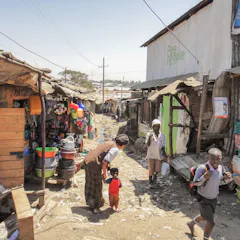
Kenya needs to complete its national digital land registry to increase transparency and efficiency of the city’s land.
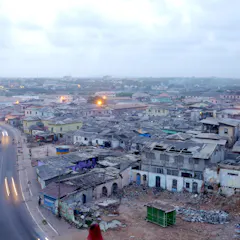
Self-organisation initiatives taken by slum residents across Africa can help urban development.
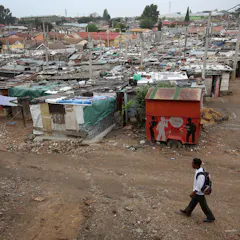
The current debate about land reform in South Africa could open the door to reviewing urban land ownership issues.
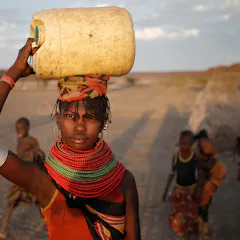
New ways of managing water have emerged in some of Africa’s urban and peri-urban areas.
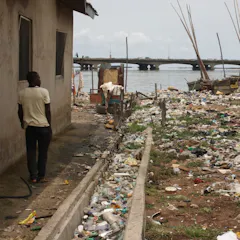
The UN defines water and sanitation as human rights. Why not decent drainage too?
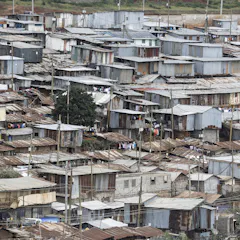
Research in Kenya’s capital found average levels of hazardous solid and liquid particles in the air within households were three times more than the WHO recommended maximum level.

A co-operative project that maps services in Dhaka shows how communities of citizens can be more than passive users of the digital platforms that increasingly shape our daily lives.
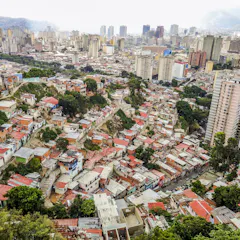
Informal settlements are often undocumented or hidden on official maps, but they house about a billion people worldwide. Their existence demands a more sophisticated approach to urban development.
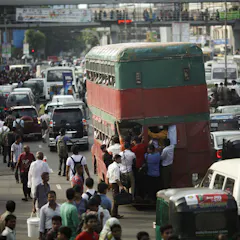
As cities trumpet their liveability, creativity and greenness, many informal settlement activities are often relegated to the shadows.
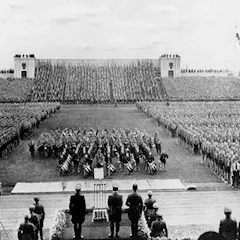
Imagine cities competed to eliminate hunger, poverty, unemployment, crime and greenhouse emissions, and to offer housing and transport for all. Don’t scoff – urban planning was once an Olympic event.
Top contributors
-

Head of Urbanisation and Wellbeing, African Population and Health Research Center, African Population and Health Research Center
-
Associate Research Scientist, African Population and Health Research Center
-
Institute Associate, Institute for Culture and Society, Western Sydney University
-
Teaching Assistant Professor, University of Pittsburg and Visiting Associate Professor, The University of Osaka, University of Pittsburgh
-
Research Active Lecturer, Discipline of Psychology, Charles Darwin University, Charles Darwin University
-
Research Scientist, African Population and Health Research Center
-
Senior Research Fellow, Digital Media, Western Sydney University
-
Researcher, University of Sydney
-
Associate Professor at the Southern Centre for Inequality Studies, University of the Witwatersrand
-
Distinguished Research Fellow, Human Sciences Research Council
-
Adjunct professor, School of Media and Communications, RMIT University
-
Professor of Urban Physical Geography, Coventry University
-
Professor, University at Buffalo
-
Vice-Chancellor's Senior Research Fellow, RMIT University
-
Doctor of Philosophy, University of British Columbia