
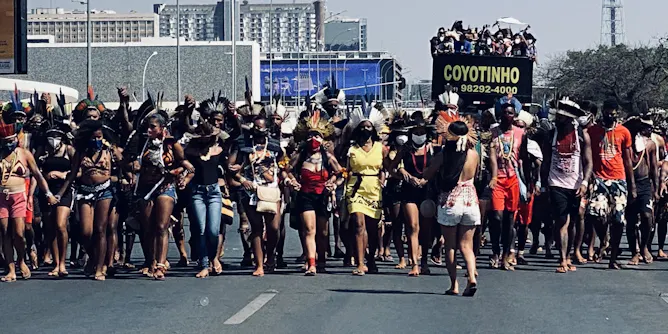
The climate emergency can’t be addressed with simplistic solutions. A network of Indigenous communities in Brazil invites us to reorient colonial approaches and embrace deeper change.
Articles on Indigenous knowledge
Displaying 101 - 120 of 171 articles
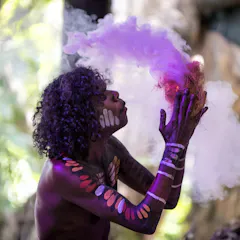
Although the pandemic has presented a range of issues and problems for our modern world, it also presents an opportunity to embrace Indigenous knowledges and technologies.
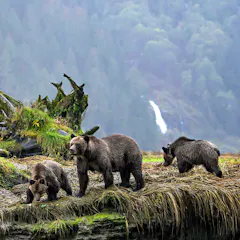
Genetic analysis of grizzly bear populations in British Columbia has revealed a connection in how bear and human cultures may have responded to the landscape.

With 300 stone artefacts submerged on Australia’s continental shelf last year, Indigenous underwater cultural heritage needs to be prioritised in marine science and industry practices.

Ambiguous language and a rush to judgment have defined the debate about mātauranga and science. It’s time to slow down and stop talking past each other.
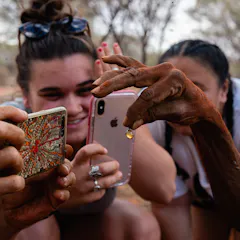
Historically, research has been imposed upon Indigenous people, instead of conducted with them. This is an exploration of more collaborative ways to research when working with Indigenous communities.
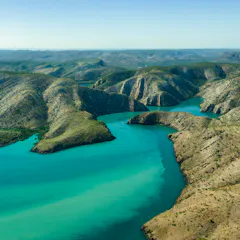
Traditional ecological and cultural wisdom was embraced and valued, enhancing Western scientific knowledge of a beautiful, fragile marine area.
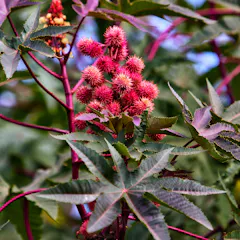
Traditional herbal medicines and cosmetics remain popular in South Africa especially in rural areas where they are part of people’s culture.

Universities must meaningfully acknowledge they are sited on unceded First Nations land and Indigenous culture should be recognised in campus design. These steps are vital for reconciliation.
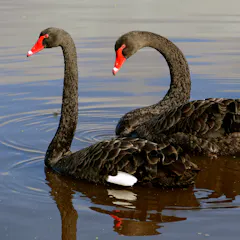
Not only is the black swan important for many Aboriginal people, it was also a potent symbol within the European imagination — 1500 years before Europeans knew it existed.
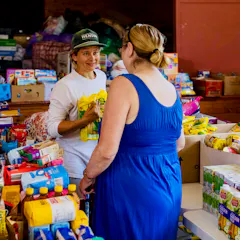
Australia can take great strides forward in climate policy and action. A reactionary, incremental approach to adaptation will fall short. Now is the time to think big.
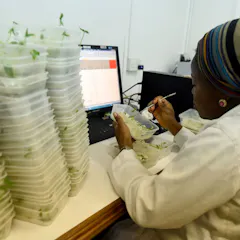
What’s needed is a prioritisation of the health and medicinal values of the food that’s consumed in African countries.
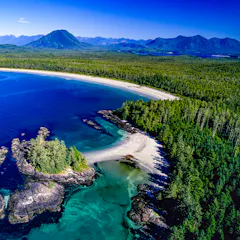
To combat the biodiversity crisis, we need to fundamentally shift our economy and society and make nature conservation the norm.
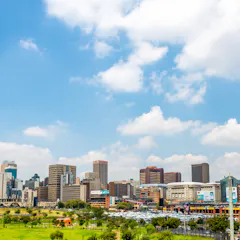
There’s ample evidence that colonial imprints and mindsets in many cities and towns around the world today still dominate the availability of green spaces and how they’re managed.

A veterinary scientist by training, Massey University Vice-Chancellor Jan Thomas has turned to the humanities to learn more about Māori. Here she explains why.

Two starkly different research projects at East Gippsland’s Cloggs Cave, 50 years apart, show the importance of Indigenous perspectives in archaeology.

Archaeologists used to dig primarily at sites that were easy to find thanks to obvious visual clues. But technology – and listening to local people – plays a much bigger role now.
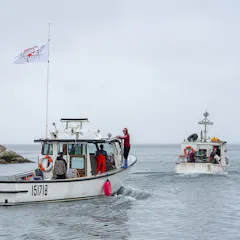
The dispute over the Mi'kmaw lobster fishery isn’t only about money — it’s about who has the authority to govern and define these activities.
Australian universities have committed to a process of Indigenisation. The University of Tasmania provides a case study in how to incorporate Indigenous knowledge into academic programs.
It’s time to listen to warnings from the people of the Pacific.
Top contributors
-

Research Associate, African Centre for Coastal Palaeoscience, Nelson Mandela University
-
Professor, North-West University
-
Professor, UNSW
-
Senior Scientia Lecturer (Research), UNSW
-
Associate Professor, Singapore Management University
-
Professor of Philosophy of Science, Durham University
-
Professor, University of Oxford
-
Founder of Msit No’kmaq
-
Associate professor in Vertebrate Palaeontology, University of the Witwatersrand
-
Professor of Environmental Geography, Royal Holloway, University of London
-
Research Associate, University of the Witwatersrand
-
Professor of Science, University of Technology Sydney
-
Distinguished Professor of Curriculum Studies, Stellenbosch University
-
Professor of Cross-cultural Management, Middlesex University
-
Professor, Environment and Development Sociology, The University of Queensland