
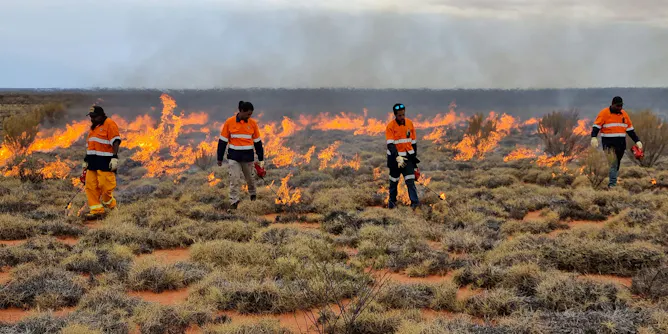
Australia has just listed Indigenous knowledge among its science priorities – after First Nations knowledge has long gone uncredited in Western ‘discoveries’, such as life-changing drugs.
Articles on Indigenous knowledge
Displaying 41 - 60 of 171 articles
More funding and more diversity in STEM are crucial for turning the ambitious goals of the national science statement into a reality.

A partnership that combines Western science and Traditional Owners’ ecological knowledge is restoring the seagrass meadows of Gathaagudu/Shark Bay.

Research in Africa needs to ensure that the voices of indigenous communities are recognised and respected.
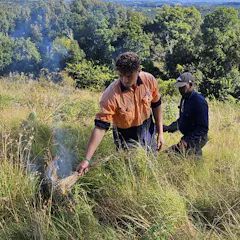
Many Indigenous people want to help protect their traditional lands. That requires deciding which species and habitat matter most to them.
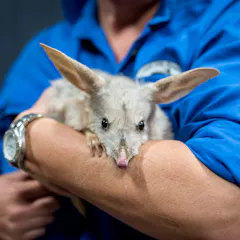
We’ve just published the largest ever marsupial genome – all 3.6 billion pieces of it. Together with Indigenous rangers, we’re applying two-way science to better protect bilbies.
The newly signed global Treaty on Intellectual Property, Genetic Resources and Traditional Knowledge might improve the patent system, but is unlikely to improve protection of Indigenous knowledge itself.
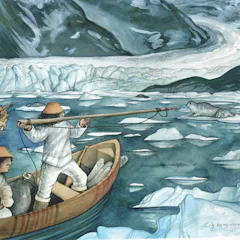
Collaborative research by archaeologists, environmental scientists and tribal elders combines science and Indigenous knowledge to tell the story of centuries of life at a glacier’s edge.
Can you patent something Indigenous peoples already know about? Too often, the answer is yes - but moves are afoot to stop it.
Aid would be much better spent if donors listened to the people they are trying to help.
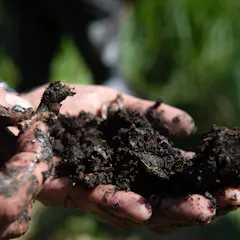
Understanding how humans came to exert such enormous pressure on Earth’s ecosystems can inform more sustainable ways of living.
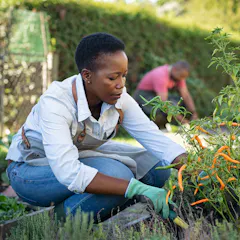
This episode explores how colonial history has affected what we plant and who gets to garden. We also discuss practical gardening tips with an eye to Indigenous knowledge.
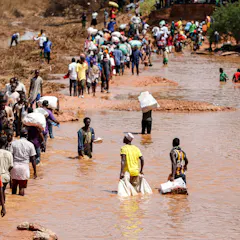
In African coastal communities, traditional knowledge helps residents to anticipate and prepare for potential flooding events.
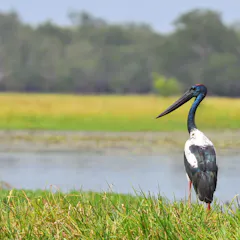
Researchers, managers and Traditional Owners are joining forces to understand and combat climate threats to Australia’s many unique World Heritage sites.
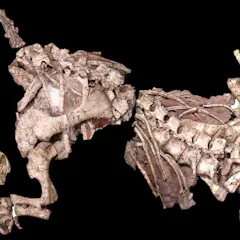
Some time between 1100 and 1700 AD, a Massospondylus bone was discovered and carried to a rock shelter in Lesotho.
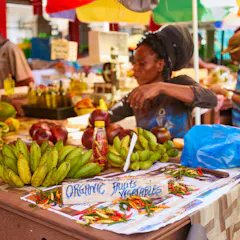
The African Food Systems Transformation Collective says COP28 must enable transition from fossil-fuelled food systems and leverage indigenous knowledge so that all can sustainably access good food.

INTERwoven TEXTures is a breakthrough exhibition. Here’s a review of it.
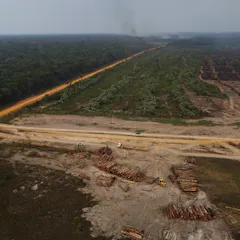
Getting serious about protecting global biodiversity requires not just policy but a revolution in how we talk about, and with, our planet’s forests.

Digitalisation offers a way to preserve indigenous knowledge of agricultural practices and connect new generations of farmers to knowledge and wisdom from the past.

Indigenous knowledge of spiritual protection could help fight crime.
Top contributors
-

Research Associate, African Centre for Coastal Palaeoscience, Nelson Mandela University
-
Professor, North-West University
-
Professor, UNSW
-
Senior Scientia Lecturer (Research), UNSW
-
Associate Professor, Singapore Management University
-
Professor of Philosophy of Science, Durham University
-
Professor, University of Oxford
-
Founder of Msit No’kmaq
-
Associate professor in Vertebrate Palaeontology, University of the Witwatersrand
-
Professor of Environmental Geography, Royal Holloway, University of London
-
Research Associate, University of the Witwatersrand
-
Professor of Science, University of Technology Sydney
-
Distinguished Professor of Curriculum Studies, Stellenbosch University
-
Professor of Cross-cultural Management, Middlesex University
-
Professor, Environment and Development Sociology, The University of Queensland