

A recurrent theme in the testimonies of Residential School survivors is how their cultural and linguistic identities were adversely affected.
Articles on Indigenous
Displaying 221 - 240 of 758 articles

This new agreement finally allows First Nations to decide for themselves how the funding will revitalize their language and culture independently of the government.
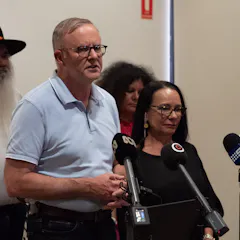
Whenever there is talk of a “crime wave” in Indigenous communities, the response has always been paternalistic and harsh. The evidence shows it doesn’t work.
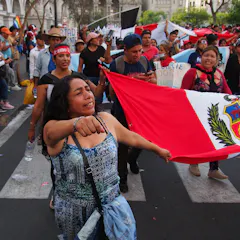
Thousands of demonstrators have descended on Lima amid violent clashes with police. The protest movement could be taking cues from earlier mobilizations in neighboring Bolivia.
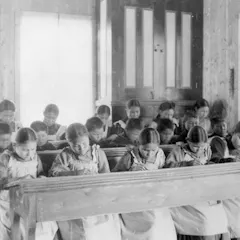
Canada’s recent resolution to label the Indian Residential School system as genocide (and not cultural genocide) is not a mere alteration of words, it is a significant and consequential change.

In order to meet its 2030 biodiversity targets, Canada is heavily relying on Indigenous Protected and Conserved Areas, which could do more harm than good for First Nations, Inuit and Métis.

As protected and conserved areas increase, an equity-based approach that respects Indigenous rights can help bring the transformative changes we need to halt and reverse biodiversity loss.

Danielle Smith’s grasp of Indigenous issues seems rooted not in genuine allyship and justice but in the appropriation of Indigenous experiences to advance white grievance politics.

Indigenous views and ways of knowing should be applied to the way we keep, use, and kill animals, and in how we teach future generations about animal use and their care.
Digital technologies have the potential to yield positive results, if co-developed and used ethically with Indigenous communities.
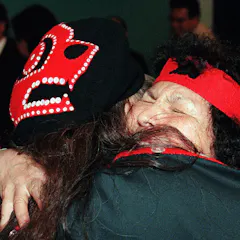
Twenty-five years after the landmark Delgamuukw case, Canada is still failing to fulfil its legal obligations to Indigenous Peoples.

Few Canadians know about the doctrine of coverture and how it stripped Indigenous women of their agency.

As we set conservation goals for the next decade, we need to evaluate what worked and what didn’t in our efforts to meet the 2020 biodiversity conservation targets.

Spirituality is a vital part of Indigenous identities. Incorporating spiritual education can create space in schools where Indigenous students can learn and grow.
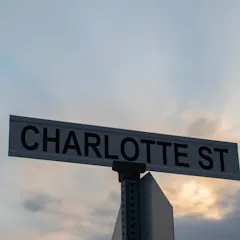
Far more streets, buildings and public spaces in Canada are named after men than women, despite women making up a majority of the population.
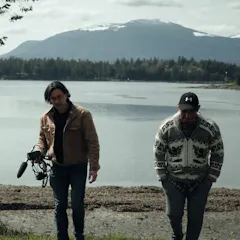
Canadian journalist institutions have failed to address their ongoing colonialism and that has meant that urgent Indigenous issues have been ignored or sensationalized.
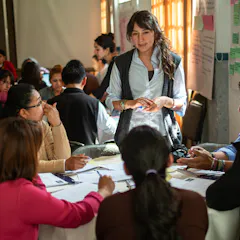
Harmful research practices have done serious damage to Indigenous communities and created distrust. The Collaborative Indigenous Research Digital Garden is one way to repair that damage.
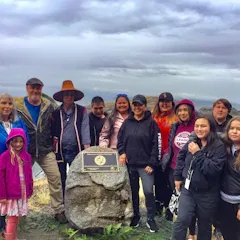
One project on a small island in B.C. is demonstrating how archaeology can bring communities together and serve as a basis for reconciliation.

As Latin American communities continue to grow, universities must teach students about Latin America and Latinx communities in interdisciplinary ways.
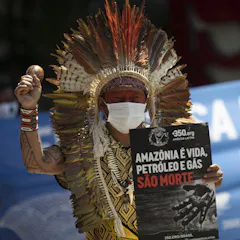
A different future will not be possible without reverence, respect, reciprocity and responsibility towards the Earth. On this issue, Indigenous Peoples have a lot to share.
Top contributors
-

Professorial Fellow, University of Canberra
-
Professor of Law, University of Technology Sydney
-
Assistant Professor, Indigenous Methodologies, Chanie Wenjack School of Indigenous Studies, Trent University
-
Professor of Economics and Public Policy, ANU College of Arts and Social Sciences, Australian National University
-
Professor, Faculty of Education, University of Manitoba
-
Associate Professor, Departments of History and Indigenous Studies, University of Manitoba
-
Professor of Political Science, University of Guelph
-
Associate professor, McGill University
-
Associate Professor, UNSW
-
Executive Co-Director, UNU Hub on Empowering Communities to Adapt to Environmental Change, United Nations University; University of Calgary
-
Professorial Fellow, Jumbunna IHL, University of Technology Sydney
-
Professor, Critical Indigenous Studies and Director of The Centre for Global Indigenous Futures, Macquarie University
-
Associate Professor, Faculty of Law & Justice, UNSW
-
Professor of History, University of Illinois Urbana-Champaign
-
Associate Professor of Gender, Religion and Critical Studies, University of Regina