

Some collectors believe breaking the law can help save endangered plants.
Articles on Illegal wildlife trade
Displaying 1 - 20 of 60 articles
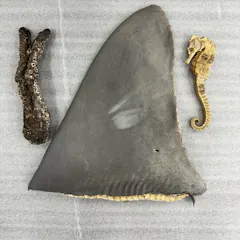
Many marine creatures are among the 4,000 species affected by wildlife trafficking.
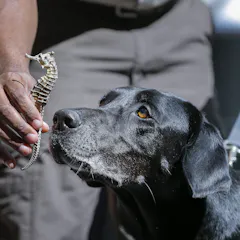
A new method that uses a simple air sample and the power of a dog’s nose makes it easy to check shipping containers for trafficked wildlife.
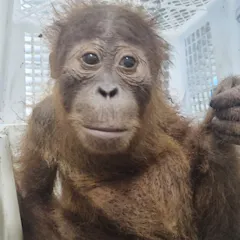
Emerging digital tools can help authorities prioritize inspections and rapidly identify illicit goods by linking online monitoring, legal references and on-the-ground investigations.

We know very little about reptiles compared to other species, and it affects our attitudes to their welfare.
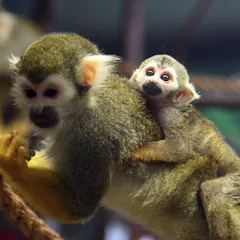
Illegal wildlife trade is one of the largest criminal activities in the world and some black markets are growing each year. Canada’s response remains inadequately prioritized and under-resourced.

A new report shows rhino numbers are now stable – but still only a fraction of what they once were.

Refugee testimonies help shed light on the way wild animals are being captured and traded.
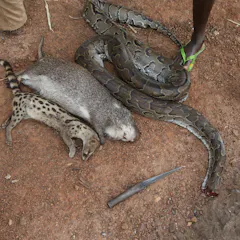
Rare and endangered wild animals in Togo are going viral online for all the wrong reasons - they are being sold on TikTok as meat.

African pangolin exploitation might be motivated more by local demand for meat than international demand for scales.
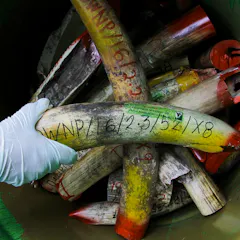
Wildlife trade bans can encourage buyers and sellers to trade in similar species that haven’t been banned but may still be endangered.
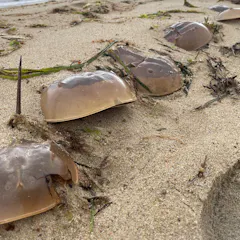
Analysis of thousands of patent applications sheds new light on hidden wild harvests.
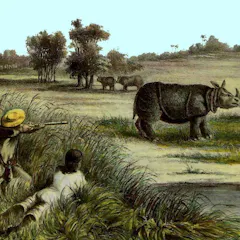
Poaching may have killed more than a third of the world’s Javan rhino in five years.
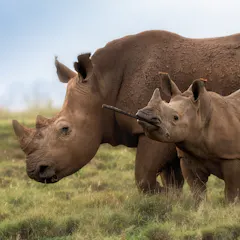
In South Africa, huge stockpiles of rhino horn are kept, even though there’s a global ban on trading it.

Formerly one of the world’s largest markets for tiger bone, new research sheds light on the current situation in South Korea.
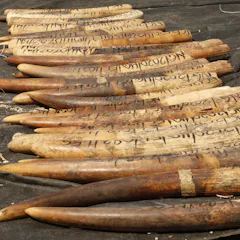
The COVID-19 pandemic did not deter wildlife traffickers from going about their illegal business. Their methods may offer lessons about resilience in crisis scenarios such as climate emergencies.
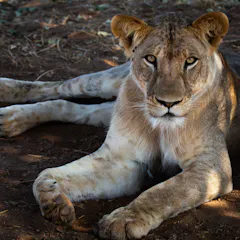
South Africa’s legal commercial lion industry is helping to act as a cover for the illegal international big cat bone trade.

About 8,000 lions are being held in facilities across South Africa. In some cases, a legal operation is plugged into an illicit trade network.

New research exposing the surprising scale and diversity of Australia’s invertebrate pet trade online highlights the need for better regulation to protect our wildlife and manage biosecurity threats.
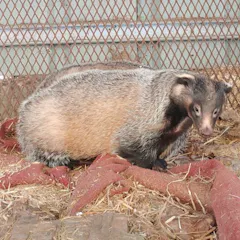
New research investigates a poorly known wildlife trade.
Top contributors
-

Lecturer in the School of Applied Sciences, Edinburgh Napier University
-
Senior Research Fellow, Oxford Martin Programme on the Wildlife Trade, University of Oxford
-
Research Fellow in Conservation Marketing, University of Oxford
-
Director of the Wildlife Crime Research Hub, Australian Research Council Industry Laureate Fellow, Adelaide University
-
Visiting Research Fellow, Manchester Metropolitan University
-
Postdoctoral Scholar in Fisheries and Wildlife, University of Stirling
-
Associate Lecturer in Biodiversity Conservation and Ecology, UCL
-
Visiting Research Fellow, Manchester Metropolitan University
-
Chief research officer: Global Risk Governance Programme, Public Law Department, Faculty of Law, University of Cape Town
-
Postdoctoral Research Fellow, University of Cape Town
-
Principal Lecturer in Ecotourism, Anglia Ruskin University
-
Tasso Leventis Professor of Biodiversity, University of Oxford
-
Senior Researcher in National Institute for Environmental Studies (NIES) & Visiting Researcher in ICCS, University of Oxford
-
Professor of Criminology, Northumbria University, Newcastle
-
Professor of International Politics, University of Sheffield