
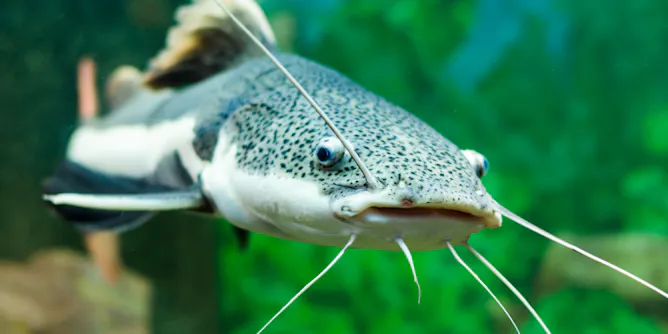
Trade in exotic pets online is far more prevalent and diverse than previously thought. Threatened species, invasive species and banned imports are all for sale.
Articles on Illegal wildlife trade
Displaying 21 - 40 of 60 articles
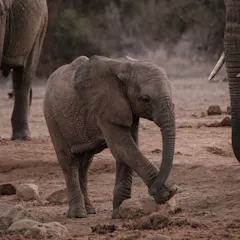
The findings suggest that poaching rates are lower where there is strong national governance and levels of local human development are higher.
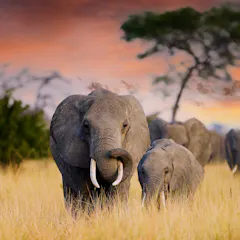
Japan was one of the world’s largest ivory markets – research explains why the country is no longer a key destination for the product.
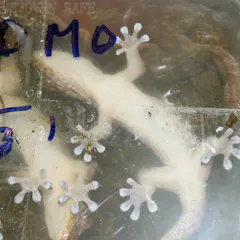
Tackling this global problem requires an international effort – particularly by rich nations where the demand for exotic pets is increasing.
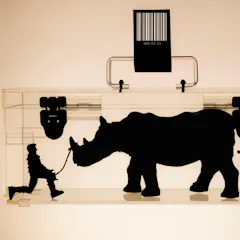
Money pouring into conservation has funded drones and military-style training for rangers.
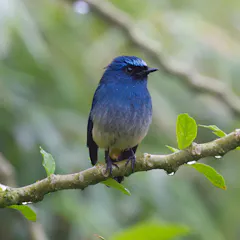
The pet trade threatens to decimate some species – and dull nature’s colour palette.
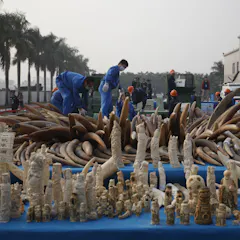
A new study reveals the major players and routes involved.
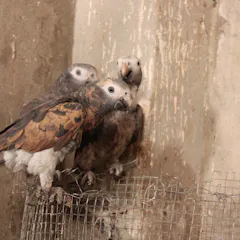
Social media platforms have enabled wildlife traders to connect as never before. Some operate legally, within the boundaries of international laws. Others are less scrupulous.
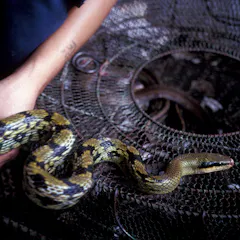
We analysed the legal systems regulating the wildlife trade in China. Here’s what we found.
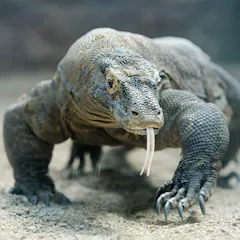
The lawsuit resembles earlier legal efforts to make tobacco companies remedy wrongdoing.
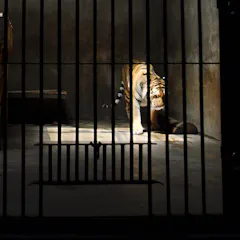
A production line takes tigers from zoos to be harvested for their meat, skin and bones.
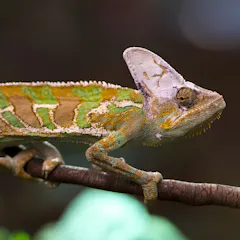
Reptiles are consistently overlooked by regulators of the trade in wildlife, but many face extinction in the wild.
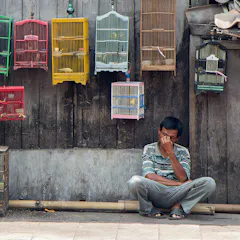
By understanding what drives people to buy wild species, we can figure out how best to stop them.
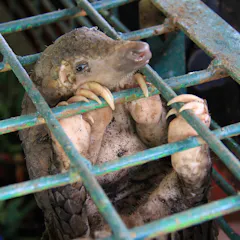
Promote new habits, find out why people engage with the wildlife trade and don’t make it seem more widespread than it really is.

Statistical models and the knowledge of on-the-ground rangers are valuable and complementary sources of evidence for biodiversity conservation.
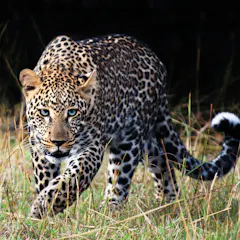
If left unregulated, the unsustainable exploitation of leopards will have severe ecological and evolutionary costs.
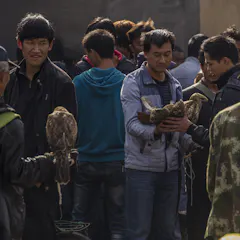
If wildlife trade is forced underground it could become an even bigger threat to public health, fuel black market prices, and accelerate exploitation and extinction of species in the wild.

Wild animals and animal parts are bought and sold worldwide, often illegally. This multibillion-dollar industry is pushing species to extinction, fueling crime and spreading disease.
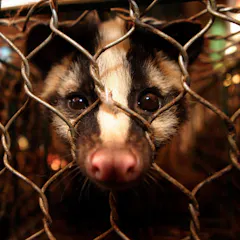
Once a purely conservation issue, it is now also considered a threat to biosecurity, public health and the economy.
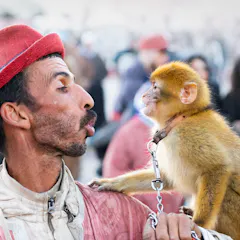
Wildlife crime is difficult to track but of deep concern since about 60% of primate species are now threatened with extinction.
Top contributors
-

Lecturer in the School of Applied Sciences, Edinburgh Napier University
-
Senior Research Fellow, Oxford Martin Programme on the Wildlife Trade, University of Oxford
-
Research Fellow in Conservation Marketing, University of Oxford
-
Director of the Wildlife Crime Research Hub, Australian Research Council Industry Laureate Fellow, Adelaide University
-
Visiting Research Fellow, Manchester Metropolitan University
-
Postdoctoral Scholar in Fisheries and Wildlife, University of Stirling
-
Associate Lecturer in Biodiversity Conservation and Ecology, UCL
-
Visiting Research Fellow, Manchester Metropolitan University
-
Chief research officer: Global Risk Governance Programme, Public Law Department, Faculty of Law, University of Cape Town
-
Postdoctoral Research Fellow, University of Cape Town
-
Principal Lecturer in Ecotourism, Anglia Ruskin University
-
Tasso Leventis Professor of Biodiversity, University of Oxford
-
Senior Researcher in National Institute for Environmental Studies (NIES) & Visiting Researcher in ICCS, University of Oxford
-
Professor of Criminology, Northumbria University, Newcastle
-
Professor of International Politics, University of Sheffield