

Many marine creatures are among the 4,000 species affected by wildlife trafficking.
Articles on Wildlife trafficking
Displaying 1 - 20 of 26 articles
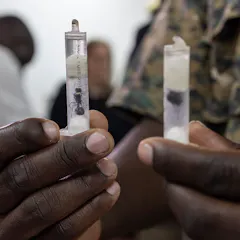
There is poor knowledge and a lack of clarity on international regulations governing trade in insects.
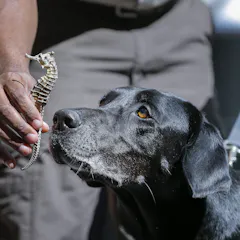
A new method that uses a simple air sample and the power of a dog’s nose makes it easy to check shipping containers for trafficked wildlife.
Emerging digital tools can help authorities prioritize inspections and rapidly identify illicit goods by linking online monitoring, legal references and on-the-ground investigations.

A new report shows rhino numbers are now stable – but still only a fraction of what they once were.

A review of the impact of parrot farming on conservation of wild parrots shows that consumer demand for the birds must be reduced.
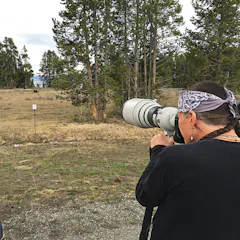
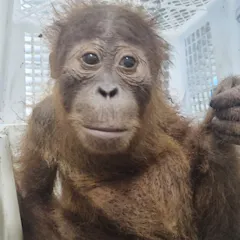
The caption may say that only scientists and trained professionals should handle wild animals, but viewers remember the image, not the words.
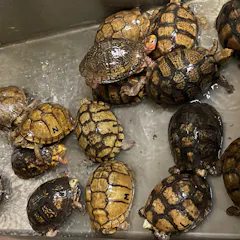
More than half of the world’s turtle species are endangered or threatened, and overhunting of wild species is a major cause.
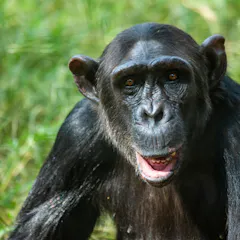
Why wild chimpanzees end up as pets and how we can keep them in the wild.
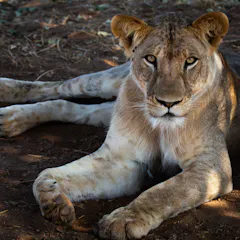
South Africa’s legal commercial lion industry is helping to act as a cover for the illegal international big cat bone trade.

New research exposing the surprising scale and diversity of Australia’s invertebrate pet trade online highlights the need for better regulation to protect our wildlife and manage biosecurity threats.
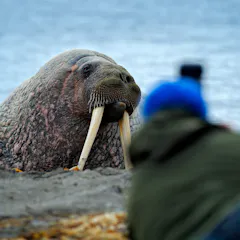
Any law that protects threatened wildlife should be welcomed – but a ban alone will not prevent illegal activity.

Most wildlife is trafficked openly, while dark web markets sell animals, plants and fungi as drugs. But this could change if there’s a clampdown on open trade.
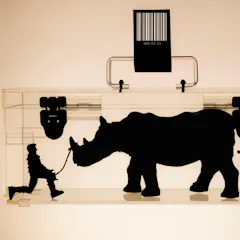
Money pouring into conservation has funded drones and military-style training for rangers.

The number of live animals seized by the Australian Government has tripled since 2017, with blue-tongue lizards and sulphur-crested cockatoos frequently captured.
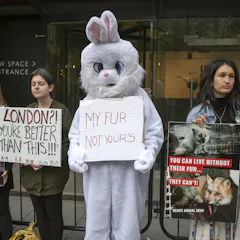
The COVID-19 pandemic has cast a harsh light on global commerce in wildlife. But many accounts focus on demand from Asia, ignoring the role of US and European consumers.
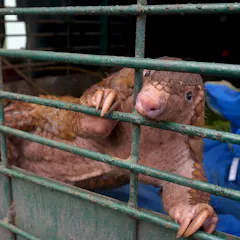
Covid-19, like other major epidemics, is not unrelated to the biodiversity and climate crisis we are experiencing.
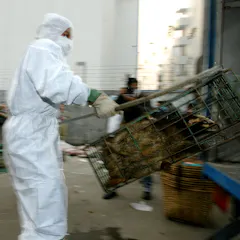
Wild animals and animal parts are bought and sold worldwide, often illegally. This multibillion-dollar industry is pushing species to extinction, fueling crime and spreading disease.

For decades nations have worked to curb international sales of endangered plants and animals. But in countries like China, with high demand and speculative investors, that strategy fuels bidding wars.

One gram of songbird meat is estimated to sell for the equivalent of one gram of marijuana.
Top contributors
-

Manager of Conservation Science, Taronga Conservation Society Australia, University of Sydney, UNSW
-
Director of the Wildlife Crime Research Hub, Australian Research Council Industry Laureate Fellow, Adelaide University
-
Visiting Research Fellow, Manchester Metropolitan University
-
Whale Scientist and Lecturer, Faculty of Science and Engineering, Macquarie University
-
Senior Lecturer of Criminology, Nottingham Trent University
-
Lecturer in the School of Applied Sciences, Edinburgh Napier University
-
PhD Student, Adelaide University
-
Researcher, Adelaide University
-
Postdoctoral research fellow, Adelaide University
-
Research Professor of Biology at Center for Conservation Biology, University of Washington
-
Professor of Fish, Wildlife and Conservation Biology, Colorado State University
-
Assistant Professor, University of Idaho
-
Doctoral Student, Global Governance and Human Security and Research Associate, Center for Governance and Sustainability at John W. McCormack Graduate School of Policy and Global Studies, UMass Boston
-
Professeur, UMR ISYEB (Institut de Systématique, Évolution, Biodiversité), Muséum national d’histoire naturelle (MNHN)
-
PhD Candidate, Adelaide University