
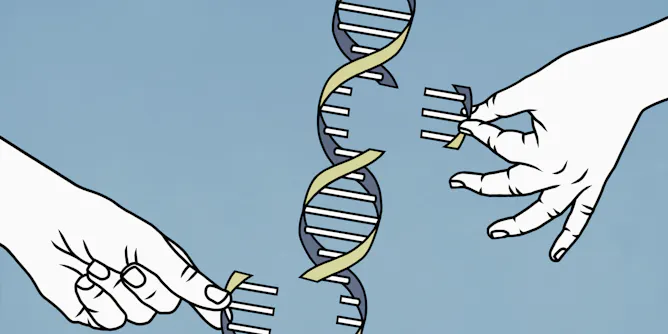
Advances in technology have enabled researchers to sequence the large regions of repetitive DNA that eluded the Human Genome Project.
Articles on Human genome
Displaying 21 - 40 of 56 articles
Scientists have been eager to edit genomes to eliminate certain diseases. New WHO reports outlines ethical approaches to research and treatment.
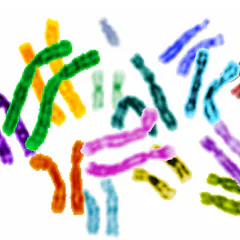
Two decades after the ‘full’ human genetic code was released to global fanfare, researchers have finally filled in the blanks that made up 8% of the sequence, thanks to recent advances in genome sequencing.

The first full human genome was sequenced 20 years ago. Now, a project is underway to sequence 1 million genomes to better understand the complex relationship between genetics, diversity and disease.

The achievement didn’t live up to the hype, but it has illuminated new areas of ‘genetic dark matter’.
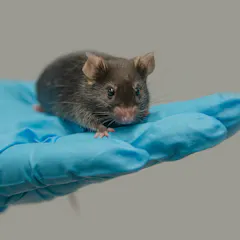
A new finding in mice rewrites the textbook explanation of the male sex-determining gene, Sry. It might also help us better understand how males and females come to be.
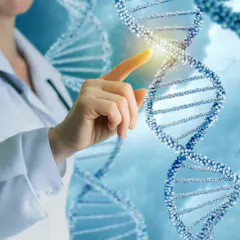
Genome sequencing technologies have transformed biological research in many ways, but have had a much smaller effect on the treatment of common diseases.

Genome-wide association studies are more like genome white association studies.
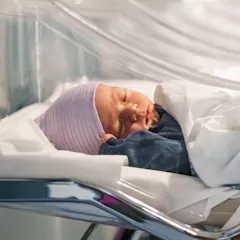
Four months ago a researcher claimed he had used the tool CRISPR to edit the genomes of twin girls. Now prominent researchers and ethicists are calling for a temporary halt to this sort of work.
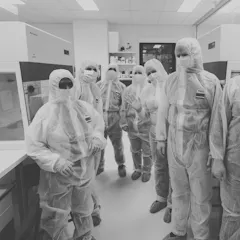
Museums around the world hold remains of Aboriginal people that were often taken without permission and in the absence of accurate records. New DNA methods may help return these items to country.
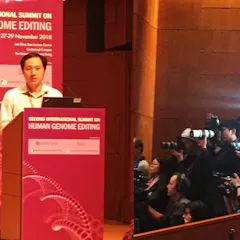
The world seemed to be inching forward with CRISPR gene editing technology – but suddenly the forbidden fruit has been plucked, and some even worry that the CRISPR tree has been cut down.
Academics from different disciplines come Head to Head in this series to tackle topical debates.
A new study found the Cas9 gene editing scissors don’t stop cutting after we tell them to.

A bit of advice for any criminals inspired to try and edit their own genes – it’s unlikely to work, and it may present health risks.
Ancestry and identity are not the same thing. A scientist tells the story of what happened when he sent his DNA to an ancestry company.
We’re at the point in DNA technology where individuals who – having parted with $99 and a small vial of saliva – may suddenly find themselves in a criminal investigation.

In 2003 the Human Genome Project “cracked the code of life”, yet parts of our DNA remained unidentified. A new study fills out our genetic blueprint by using a nanotechnology-based technique.

Anthill 17: Science by the seaside
CC BY-ND44.8 MB (download)
From the man who gave away his genome under open consent, to the 'Mathematikado', this episode of the podcast features highlights from the British Science Festival in Brighton.
Comparing genomes of more than 200,000 people, researchers identified genetic variants that are less common in older people, suggesting natural selection continues to weed out disadvantageous traits.

Professor Samir Brahmachari’s innovative Open Source Drug Development allows thousands of researchers to work together to discover novel therapies for under-studied diseases.
Top contributors
-

Executive Director, Melbourne Genomics Health Alliance
-
Chair, The Conversation Media Group
-
Geneticist and Group Leader, The John Curtin School of Medical Research, Australian National University
-
Distinguished Research Professor, Emerita, Dalhousie University
-
Assistant Professor of Technical & Professional Communication, Michigan Technological University
-
Adjunct Associate Professor, University of Technology Sydney
-
Honorary Fellow, Department of Pathology, The University of Melbourne
-
Professor of Science Communication and Chemistry, University of Hull
-
Postdoctoral fellow in the Division of Molecular Biology and Human Genetics, Department of Biomedical Sciences, Stellenbosch University
-
Head of the Clinical Unit of Medical Genetics and Genetic Counselling, Stellenbosch University
-
Research Professor of Ecosystem Science and Management, Penn State
-
Associate Professor, Psychiatry, UCL
-
Professor of Biological Sciences, Columbia University
-
Professor of Quantum Technologies (Physics and Astronomy), University of Sussex
-
Professor of Anthropology, Deakin University