
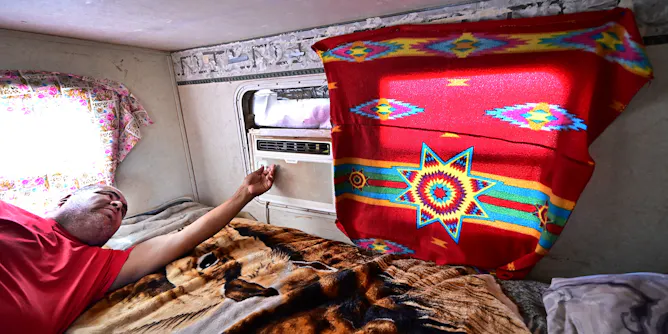
There is no single thermostat setting that is right for every person or every home. And there are other easy, low-cost steps that can help keep everyone comfortable when hot weather sets in.
Articles on Home cooling
Displaying all articles
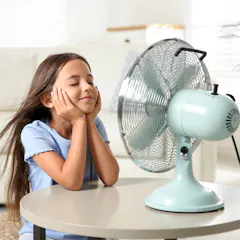
Use electric fans as your first cooling strategy, and only turn on the aircon when the indoor temperature exceeds 27°C.

On a hot summer’s day in Melbourne, the artificial turf hit a top temperature of 72°C. This is sufficient to cause irreversible skin burns in just ten seconds.

Before buying or renting your next home, take a closer look at how it will cope with the heat. Try this expert 12-point guide to avoiding ‘hot boxes’.
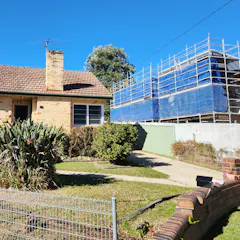
We know what needs to be done, but it depends on the political will to act. And some states and territories have failed to adopt actions to improve housing quality that were agreed in 2022.
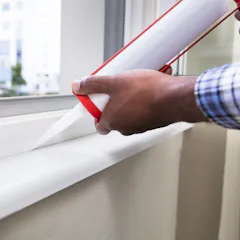
Our new research shows a few simple steps can dramatically improve the energy performance of a home, and ensure occupants don’t shiver through winter unnecessarily.

Global temperatures have averaged at least 1.5 degrees Celsius warmer than preindustrial times for over a year. Two scientists explain what that means and what humanity can do.

The June heat wave triggered warnings of a flash drought and caused a surge in ER visits. Many other countries have been facing extreme heat at the same time.
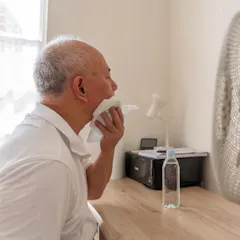
More Australians than ever live in rented homes, many of which get far too hot. With summers getting longer and hotter, keeping millions of people cool should be a national housing policy priority.

Energy poverty puts people’s health and wellbeing at risk, but many vulnerable households go undetected. Trusted intermediaries, such as doctors and community workers, can help solve this problem.
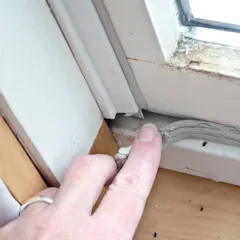
Improving the performance of nearly 11 million existing homes will make a much bigger difference to housing energy costs and emissions than an incoming 7-star energy standard for new homes.
Top contributors
-

Associate Deputy Vice Chancellor in Research & Innovation, RMIT University
-
Professor of Climate Science, UMass Lowell
-
Associate Professor in Housing, School of Property, Construction and Project Management, RMIT University
-
Associate Professor in Property, Construction and Project Management, RMIT University
-
Professor of Meteorology, UMass Lowell
-
Research Team Leader, CSIRO
-
Postdoctoral Researcher in Behavioural Science, Monash Sustainable Development Institute, Monash University
-
Professor of Housing Research, Adelaide University
-
Associate Professor in Architecture, Adelaide University
-
Emeritus Professor, Urban Planning and Policy, University of Sydney
-
Professor of Energy, Environment and Health, UCL
-
Research Fellow in Human Geography, RMIT University
-
Senior Lecturer, School of Architecture Design and Planning, University of Sydney
-
Research Fellow in Urban Microclimates, The University of Melbourne
-
Professor in Urban Horticulture, The University of Melbourne