
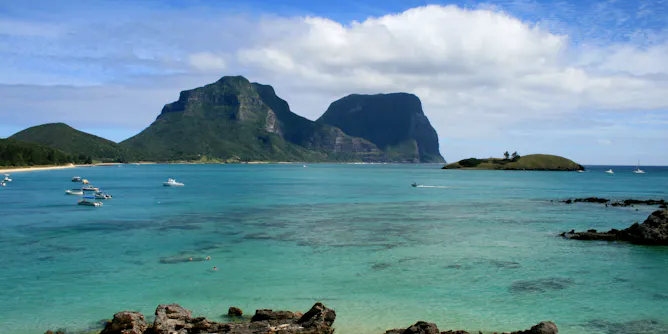
Marine heatwaves have caused coral bleaching in one of the most isolated ecosystems in the world.
Articles on Heatwave
Displaying 281 - 300 of 407 articles

With heatwaves, droughts and fires all on the rise, the federal government is urged to merge its separate strategies on disaster resilience and climate readiness.
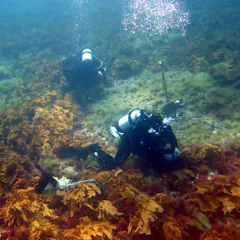
Marine heatwaves, like their land counterparts, are growing hotter and longer. Sea species in southeastern Australia, southeast Asia, northwestern Africa, Europe and eastern Canada are most at risk.
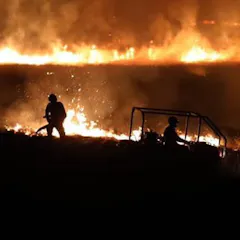
Wildfires broke out across the British Isles during a recent heatwave. But the burning question of the link to climate change does not have an easy answer.

Two trends in Australia, an ageing population and warming climate, are increasing the threat that heatwaves pose to our health. Increasing vegetation cover is one way every city can reduce the risk.
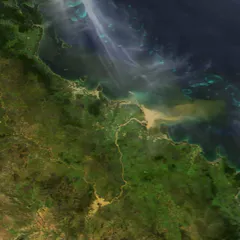
The hottest Australian summer on record is ending, and it’s likely we’ve got a warm, dry autumn to come.
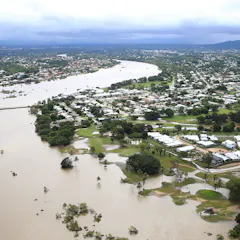
What do the recent Townsville floods and Tasmanian heatwave have in common? Both were caused by weather systems that stayed put for days or weeks on end. And global warming could worsen that trend.
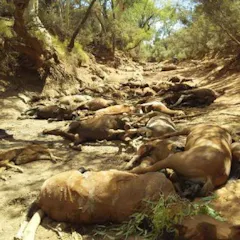
Mass wildlife die-offs, such as those wrought by Australia’s recent heatwaves, make for grim headlines. But the wider effects of extreme weather are more complex, and can be remarkably long-lasting.

Air conditioning changed both building design and people’s active management of home temperatures. A return to houses designed for our climate can keep us comfortable and cut energy use and emissions.
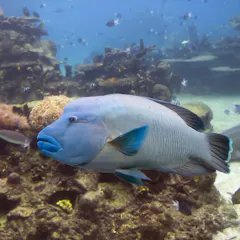
Analysis of last summer’s heatwave shows it killed farmed salmon and decimated kelp forests, as well as shifting grape harvests and fish spawning times forward by several weeks.
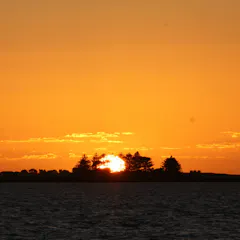
Much of Australia is sweltering due to a high pressure system parked over the Tasman Sea – and there’s no sign it’s moving any time soon.

The summer forecast from the Bureau of Meteorology predicts a hot, dry summer.
Pollutants from fossil fuel combustion cause thousands of premature deaths nationwide every year. This is just one way our climate change policies impact on the nation’s health.

The forecast arrival of El Niño may mean the east coast of Australia will experience an exceptionally hot and dry summer, but does this mean there will be fewer mosquitoes buzzing about?
Serious heat is a serious threat, and people must get better at talking about it.
Climate change poses a threat to our mental health. Building connected communities is one way to combat a rise in suicide rates as global temperatures increase.
With New South Wales suffering winter bushfires and temperature records tumbling around the globe, our leaders in Canberra have picked a bad time to jettison climate policy in favour of political bickering.
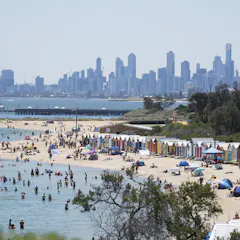
Heatwaves can cause a large number of deaths, especially when vulnerable groups are unprepared and are not acclimatised to hot temperatures.
‘Hothouse Earth’ is not a sure thing – yet. Here’s what you can do about it.

And how long before such extreme heatwaves become the ‘new norm’ across the region?
Top contributors
-

ARC Future Fellow and Associate Professor in Climate Science, ARC Centre of Excellence for 21st Century Weather, The University of Melbourne
-
Deputy Director, Engagement and Impact, The ARC Centre of Excellence for the Weather of the 21st Century, Australian National University
-
ARC DECRA Fellow, UNSW
-
Honorary Associate Professor in Environmental Health, Australian National University
-
Postdoctoral Researcher, Climate Science, University of Oxford
-
Professor emeritus, The University of Melbourne
-
Adjunct Professor of Environmental Geography, CQUniversity Australia
-
Adjunct Professor (Practice) in the School of Earth, Atmosphere and Environment, Monash University
-
Senior Lecturer in Climate Change, University of Waikato
-
Head of the Centre for Water, Environment, Sustainability and Public Health, University of Strathclyde
-
Regius Professor of Meteorology and Climate Science, University of Reading
-
Climate Scientist, Australian Bureau of Meteorology
-
Professor of Pyrogeography and Fire Science, University of Tasmania
-
Professor, Water and Landscape Dynamics, Fenner School of Environment & Society, Australian National University
-
Climatologist, Australian Bureau of Meteorology