

New normal. Record-breaking. Unprecedented. In recent days, as Western Canada and the United States have been broiling under a climate-fuelled heat crisis, all sorts of superlatives have been used to describe…
Articles on Heatwave
Displaying 241 - 260 of 407 articles

The lives of one in ten of Earth’s species are connected to lakes and their tributaries.

Climate change has profound, but often overlooked, consequences for human health.
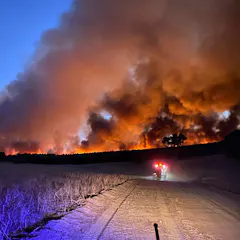
We know heatwaves and drought can turn bushfires into infernos, but the reasons why were poorly understood in science.

As you swelter during this heatwave, it may not be all bad news for our urban and natural environments. Sometimes, positive outcomes arise when and where we least expect them.

As the climate changes and heatwaves become more frequent and severe, it’s vital we do more to understand who is most vulnerable and how we can reduce their risk.

The small fire and heatwave prone town of Tarnagulla got together, applied for funding and co-produced a resilience action plan so they’re better prepared for the next disaster.
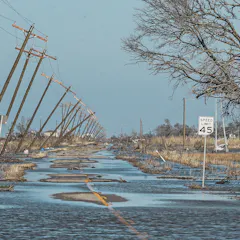
Many storms, heatwaves, fires and droughts slipped under the radar this year.
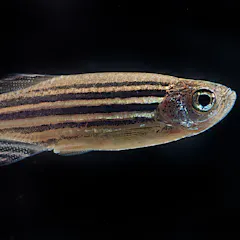
Species can evolve to tolerate higher temperatures – but there’s a ceiling beyond which adaptation isn’t possible.

From heatwaves to droughts to storms, climate change poses one of the biggest health threats to Australians. Yet the federal government makes no mention of it in its strategic health planning.

Governments can align their policies to tackle both climate change and post-pandemic recovery.

Extreme heatwaves aren’t systematically monitored in most countries in sub-Saharan Africa. This leads to unnecessary and premature deaths which are often unrecorded.

The report by the World Meteorological Organisation shows that with large and rapid emissions cuts, we can still avoid the most severe climate change. But worryingly, we also have time to make it far worse.

Extreme heat could kill 5,000 people each year in the UK by the 2050s.
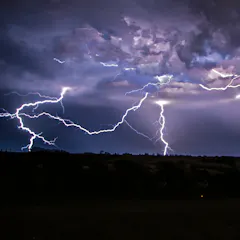
Volatile, unstable air means that it is very tricky to work out exactly where each thunderstorm will be.

Heatwaves are here to stay, and they aren’t all sun and games.
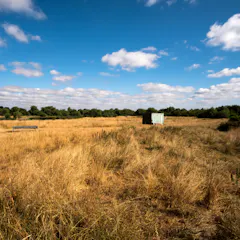
Heatwaves have become longer, hotter and more frequent. This trend is accelerating from climate change.
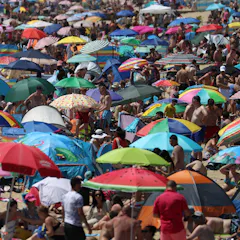
A new study lays bare the average summer heat people in the UK can expect by century’s end.

The study examined patterns of Twitter rage in hot and cold weather. Given anger spreads through online communities faster than any other emotions, the findings are important.
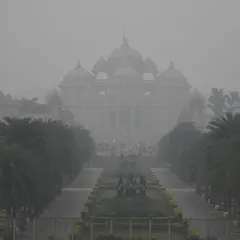
In South Asia, days with both extreme heat and extreme pollution are expected to increase 175% by 2050. Separately, the health effects are bad; together they will likely be worse.
Top contributors
-

ARC Future Fellow and Associate Professor in Climate Science, ARC Centre of Excellence for 21st Century Weather, The University of Melbourne
-
Deputy Director, Engagement and Impact, The ARC Centre of Excellence for the Weather of the 21st Century, Australian National University
-
ARC DECRA Fellow, UNSW
-
Honorary Associate Professor in Environmental Health, Australian National University
-
Postdoctoral Researcher, Climate Science, University of Oxford
-
Professor emeritus, The University of Melbourne
-
Adjunct Professor of Environmental Geography, CQUniversity Australia
-
Adjunct Professor (Practice) in the School of Earth, Atmosphere and Environment, Monash University
-
Senior Lecturer in Climate Change, University of Waikato
-
Head of the Centre for Water, Environment, Sustainability and Public Health, University of Strathclyde
-
Regius Professor of Meteorology and Climate Science, University of Reading
-
Climate Scientist, Australian Bureau of Meteorology
-
Professor of Pyrogeography and Fire Science, University of Tasmania
-
Professor, Water and Landscape Dynamics, Fenner School of Environment & Society, Australian National University
-
Climatologist, Australian Bureau of Meteorology