
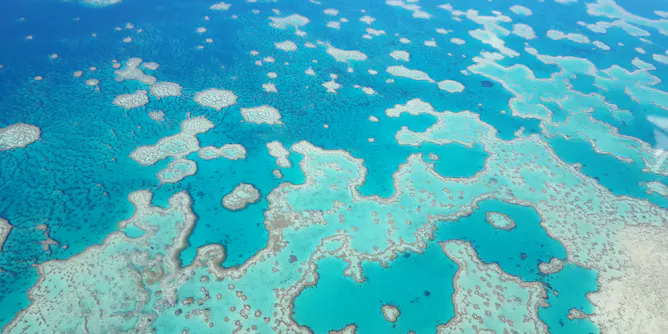
Limiting global warming to 1.5°C already looks out of reach, so where do we go from here?
Articles on Heatwave
Displaying 341 - 360 of 407 articles
2015 was the world’s hottest year on record. The US State of the Climate report has rounded up the litany of temperature and other records that were broken all over the globe.
Around 15,000 Parisians died in the August 2003 heatwave. So what lessons have been learned?
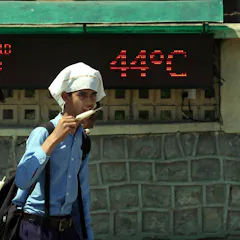
The city of Phalodi has set a temperature record for India, hitting 51°C. Until now, India’s smog problem has curbed extreme temperatures. But that could be about to change.
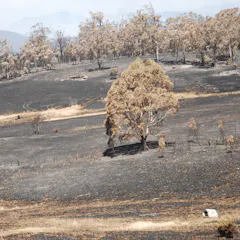
This summer has seen Tasmania suffer through drought, bushfires, floods and the worst marine heatwave on record. Is this what life under a climate-changed future will be like?

How well does the ‘smart’ city respond to the devastating scale and impact of urban heat threats such as bushfires and heatwaves?
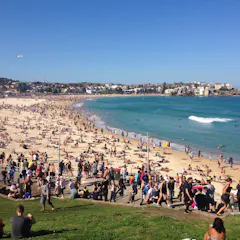
Sydney is in the process of smashing the record for the longest run of days above 26°C. Weather, El Nino and climate change are all playing their part.
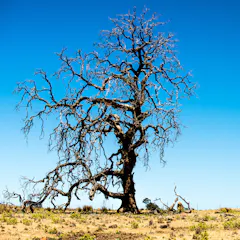
Extreme weather will affect people and animals, as well as whole ecosystems. Research using satellites shows that ecosystems worldwide are vulnerable to collapse.
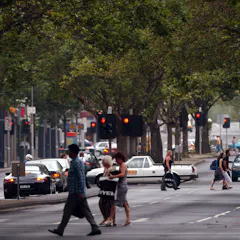
Six years after Black Saturday, it’s worth remembering that heatwaves kill more people than bushfires do, so shade can be a life-saver. But tree cover and shade are not evenly distributed in cities.
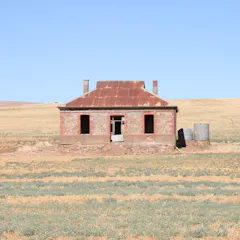
Australia is the land of drought of flooding rains, driven by events such as El Nino. But despite this variability, some parts of Australia are clearly drying out.

Rising temperatures affect people living in the developing world differently to those living in Europe and North America.
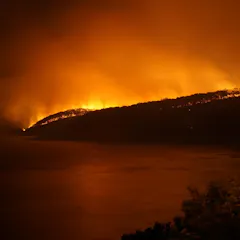
El Niño dominated global climate in 2015, but in Australia the story was more complicated. 2015 was Australia’s fifth warmest year on record, and saw the return of very dry conditions to parts of Australia.
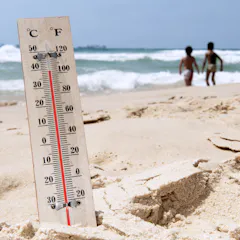
Africa must find ways of dealing with extreme heatwaves or suffer a range of health problems, including fatalities.
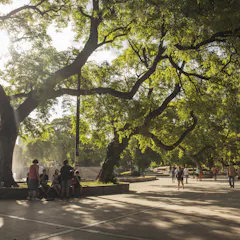
We all love a shady courtyard, but it’s tough to know just how effective trees are at beating the heat.

2014 saw heatwaves of all kinds and other wild weather. Research can now explain that climate change made these events much more likely.
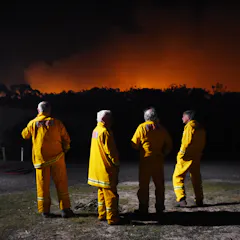
This has been Australia’s hottest October on record. And the record-breaking temperatures are at least six times more likely thanks to human-induced global warming.

We can live comfortably and sustainably in hot places – but we’ll have to ditch the glassy skyscrapers.

Temperatures are set to rocket throughout the 21st century, but design lessons from history could help the gulf states stay cool.
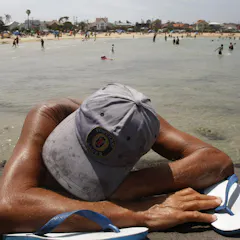
The link between El Niño and heatwaves is complicated. But what we can say is that this summer’s strong El Niño conditions are likely to bring more heatwaves to much of Australia’s north and east.
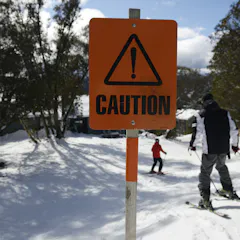
Melbourne, Canberra and much of southern Australia have shivered through a cold winter. But on a longer view, record cold snaps are disappearing, while Australian heat records continue to be broken.
Top contributors
-

ARC Future Fellow and Associate Professor in Climate Science, ARC Centre of Excellence for 21st Century Weather, The University of Melbourne
-
Deputy Director, Engagement and Impact, The ARC Centre of Excellence for the Weather of the 21st Century, Australian National University
-
ARC DECRA Fellow, UNSW
-
Honorary Associate Professor in Environmental Health, Australian National University
-
Postdoctoral Researcher, Climate Science, University of Oxford
-
Professor emeritus, The University of Melbourne
-
Adjunct Professor of Environmental Geography, CQUniversity Australia
-
Adjunct Professor (Practice) in the School of Earth, Atmosphere and Environment, Monash University
-
Senior Lecturer in Climate Change, University of Waikato
-
Head of the Centre for Water, Environment, Sustainability and Public Health, University of Strathclyde
-
Regius Professor of Meteorology and Climate Science, University of Reading
-
Climate Scientist, Australian Bureau of Meteorology
-
Professor of Pyrogeography and Fire Science, University of Tasmania
-
Professor, Water and Landscape Dynamics, Fenner School of Environment & Society, Australian National University
-
Climatologist, Australian Bureau of Meteorology