

Often those most impacted by climate change are those least able to engage with climate discourse. Universities have a responsibility to engage with these communities.
Articles on Heat wave
Displaying 61 - 80 of 225 articles

There’s nothing normal about the blast furnace heat much of the world has been experiencing, as an atmospheric scientist explains.

People aren’t the only ones harmed by heat waves. The hotter it gets, the harder it is for machines to keep their cool.
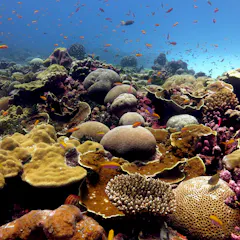
Exploring the often unseen, and poorly understood, nuances of diversity within coral reefs may prove essential for ensuring the long-term health of Earth’s oceans.

Even ‘climate havens’ face a riskier future, and infrastructure often isn’t built to handle climate change. But there are steps cities can take to prepare.

Humans (particularly those in the Northern Hemisphere) generally prefer the heat, a bias which has hampered effective climate communications for decades.

Many heat-related health problems can be avoided by adopting a healthy, active lifestyle. But the younger generation is less active than previous generations, and therefore more vulnerable.
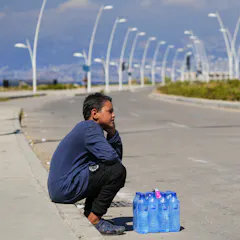
Climate anxiety is real and must be considered as a core component of any climate mitigation or adaptation and resilience strategy.
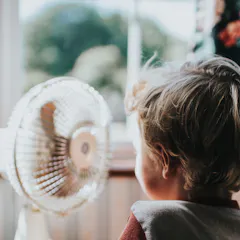
Thermostats don’t tell the whole truth about heat, particularly in older homes.
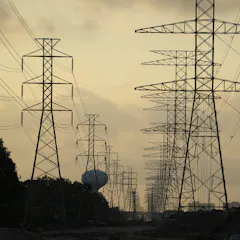
As the drive towards electrification advances, one fact seems clear: it is far easier to reuse waste heat for our homes and businesses than it is to generate it anew.

Heat exposure is inevitable for those who work or are active outdoors. A heat acclimation protocol, combined with heat-mitigating strategies, is the best defence against heat-related injuries.

Health and climate change researchers explain the risks and why older adults, even those in northern states, need to pay attention.

With tourists flocking in droves to ‘experience’ heat waves, perhaps it’s time for everyone to take a good hard look at their individual contribution to global warming.
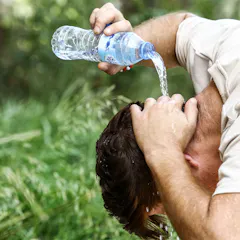
Temperature records are being broken in Africa and around the world.
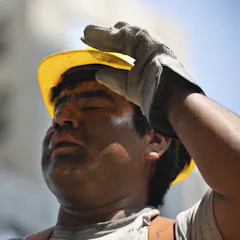
The biggest risks aren’t always the biggest numbers on the thermometer – humidity gets dangerous faster than many people realize.
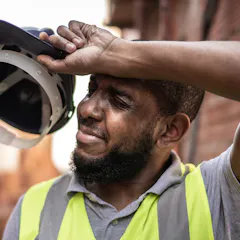
Three economists looked at years of temperature and death data and calculated the costs when forecasts miss the mark.
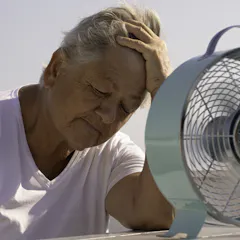
One in 4 American households are at risk of losing power because of the high cost of energy. Over 30% of those disconnections are in summer, when heat gets dangerous.
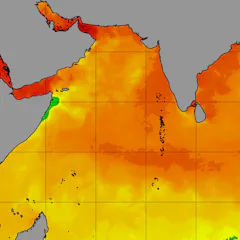
Drought in Europe, dwindling Arctic sea ice, a slow start to the Indian monsoon – unusually hot ocean temperatures can disrupt climate patterns around the world, as an ocean scientist explains.
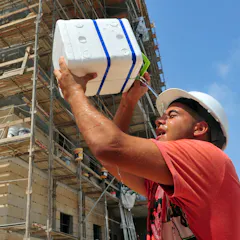
Tackling poverty can protect people from rising heat extremes in Britain and abroad.

Heatwaves are often the result of these bursts of warm, southerly air.
Top contributors
-

Professor of Geology and Environmental Geosciences, University of Dayton
-
Deputy Director, Engagement and Impact, The ARC Centre of Excellence for the Weather of the 21st Century, Australian National University
-
Distinguished Scholar, National Center for Atmospheric Research; Affiliate Faculty, University of Auckland, Waipapa Taumata Rau
-
Honorary Associate Professor in Environmental Health, Australian National University
-
Professor of Atmospheric Science, Colorado State University
-
Professor of Climate Science, UMass Lowell
-
Professor of Physical Geography, University of the Witwatersrand
-
Assistant Professor of Architecture, University at Buffalo
-
Senior Lecturer of Physical Geography and GIS, University of the Free State
-
Climate scientist, Australian Bureau of Meteorology
-
ARC DECRA Fellow, UNSW
-
Climate Scientist, Australian Bureau of Meteorology
-
Associate Professor of Civil Engineering, Boise State University; United Nations University
-
ARC Future Fellow and Associate Professor in Climate Science, ARC Centre of Excellence for 21st Century Weather, The University of Melbourne
-
Climate Scientist, Australian Bureau of Meteorology