
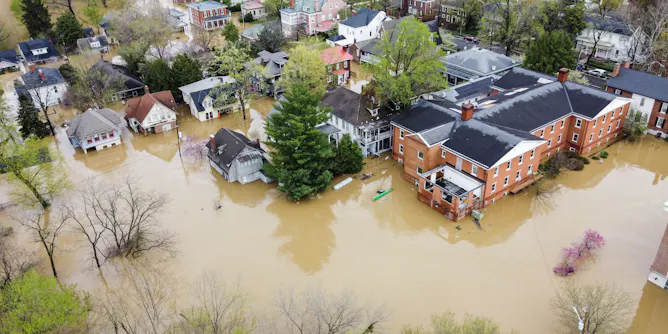
At the same time, Americans have been facing worsening storms, wildfires and deadly heat waves.
Articles on Heat wave
Displaying 21 - 40 of 225 articles
For the first time, countries now have a shared way to understand whether the world is actually improving at adapting to climate impacts.
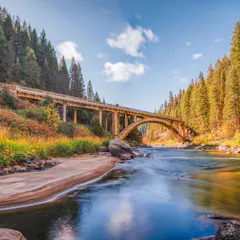
River heat waves are rising faster than the pace of air heat waves. That’s a problem for fish, drinking water quality, and food and energy production.
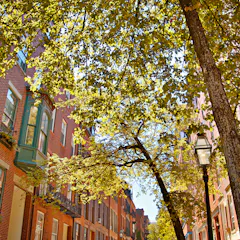
New technologies are making it easier to find these urban heat islets, opening the door to new strategies for efficiently improving community health.
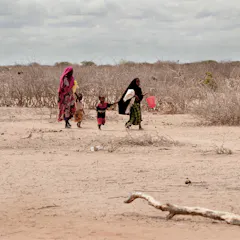
Heatwaves were shown to contribute to a 14.9% rise in suicidal thoughts.
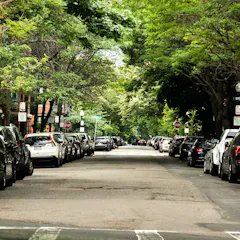
Cities are seeking low-cost ways to ease the heat island effect. Researchers found benefits and trade-offs in two popular options, but they vary by city and even neighborhood.

Sports face a sustainability challenge: They’re under pressure to grow, but more travel means more emissions that add to rising global temperatures. The NCAA is also weighing expanding March Madness.
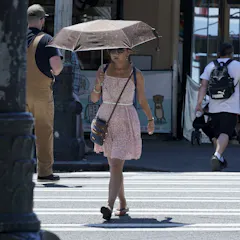
The administration said the grants were ‘no longer consistent with EPA funding priorities.’ Spokane, which has faced deadly heat waves in eastern Washington, shows who is at risk.

A public health researcher explains the signs someone is developing heat exhaustion or heat stroke, and what to do.

The problem of high energy prices and rising numbers of people unable to afford them isn’t lost on the Trump administration.
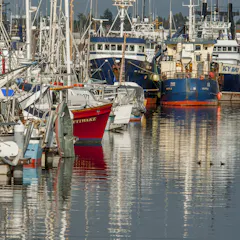
NOAA’s work has kept fisheries from collapsing, helped coastal ecosystems survive extreme heat and battled invasive species, among many other tasks essential to coastal economies.
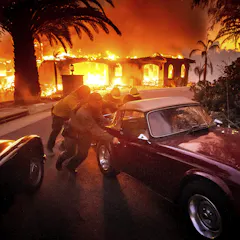
The US has seen huge wildfires in recent years. The vast majority of those that affect communities are started by human activity.
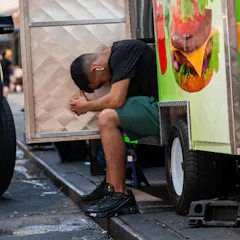
As a record-hot summer comes to a close, an atmospheric scientist explains how global warming drove long periods of extreme heat.
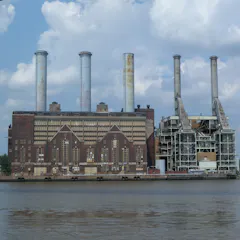
As renewables account for a growing share of electricity supply, fossil fuel plants are increasingly used to balance fluctuations in renewable generation – emitting health-threatening pollutants.

Builders knew how to keep people cool in hot, dry climates thousands of years ago. It’s time to get that knowledge back.

As summer temperatures rise, finding ways to build cities that don’t hold in the heat and can provide some cooling is increasingly important.
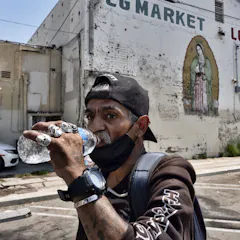
Mapping daily temperature variations across the US revealed stark differences between wealthy and poor neighborhoods, and large differences by race.
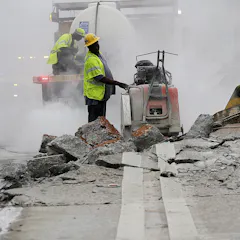
A civil engineer explains why roadways and rails warp and crack in the heat − and points to some innovative ways to keep the US transportation system healthy as long as possible.
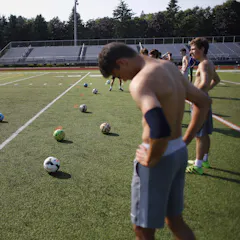
An athletic trainer explains why bodies need time time to acclimatize, and the risks to watch out for.
One in 4 American households is at risk of losing power because of the high cost of energy. Over 30% of those disconnections are in summer, when heat gets dangerous.
Top contributors
-

Professor of Geology and Environmental Geosciences, University of Dayton
-
Deputy Director, Engagement and Impact, The ARC Centre of Excellence for the Weather of the 21st Century, Australian National University
-
Distinguished Scholar, National Center for Atmospheric Research; Affiliate Faculty, University of Auckland, Waipapa Taumata Rau
-
Honorary Associate Professor in Environmental Health, Australian National University
-
Professor of Atmospheric Science, Colorado State University
-
Professor of Climate Science, UMass Lowell
-
Professor of Physical Geography, University of the Witwatersrand
-
Assistant Professor of Architecture, University at Buffalo
-
Senior Lecturer of Physical Geography and GIS, University of the Free State
-
Climate scientist, Australian Bureau of Meteorology
-
ARC DECRA Fellow, UNSW
-
Climate Scientist, Australian Bureau of Meteorology
-
Associate Professor of Civil Engineering, Boise State University; United Nations University
-
ARC Future Fellow and Associate Professor in Climate Science, ARC Centre of Excellence for 21st Century Weather, The University of Melbourne
-
Climate Scientist, Australian Bureau of Meteorology