

New research looks at a unique model in South Australia where an aged-care facility is co-located with a childcare centre. Here’s what the researchers found.
Articles on Health research
Displaying 21 - 40 of 138 articles

Health disparities cost society billions of dollars, and their effects ripple across communities.

New research suggests many Australians may be using home blood pressure monitors with cuffs that don’t fit their arm properly. This can lead to inaccurate readings.

In women, ‘atypical’ stroke symptoms can be overlooked, leaving them more vulnerable to misdiagnosis, delayed treatment and long-term harm.

Loneliness is more than a mental health issue.

Research shows almost one-third of teenage girls have experienced body shaming online.
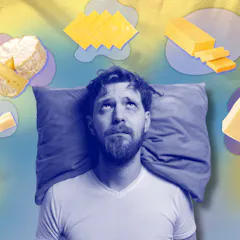
A new study suggests eating dairy products before bed could be linked to nightmares. Here’s why cheese could be a culprit.

Is the cost of research aimed at curing HIV worth it, when HIV can be effectively managed and prevented by existing drugs?
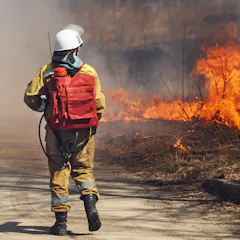
Emergency service volunteers are passionate about serving their communities. But this comes at a personal cost, especially without the right supports.

In a new study, researchers tracked mental health symptoms in more than 6,500 Australian high school students from Year 7 to Year 10.
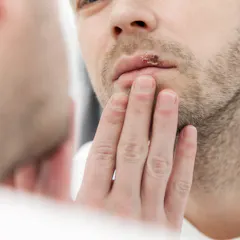
Alzheimer’s is a complex disease caused by many interacting factors. It’s possible the herpes virus could play a small role – but the evidence isn’t conclusive.

A new review looks at the safety and effectiveness of mouth taping during sleep for conditions such as sleep apnoea. The news isn’t so good.

Food co-ops are local groups where people join together to buy food in bulk, usually straight from farmers or wholesalers.

People living in remote Indigenous communities have much higher rates of chronic disease compared to the overall Australian population. This program could help.
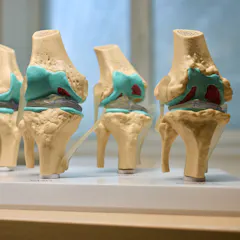
A new review has identified more than 150 factors that influence the risk of knee osteoarthritis. These are the key ones to consider.

In medical research, precision matters. But both humans and machines tend to overgeneralize the results of health studies, saying more than what the data allows.
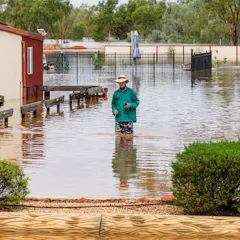
Historically, climate disasters were thought of as rare, singular events. But thanks to climate change, disasters are escalating.

Since 1971, the US has led the world in funding cancer research and developing new treatments that have driven down death rates. This may soon no longer be the case.

Nearly one-quarter of us feel angry on any given day. Here’s how mindfulness could help.
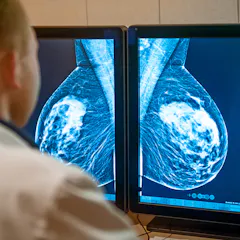
While AI holds promise for improving breast cancer screening, we should proceed cautiously.
Top contributors
-

Professor of Infectious Diseases, Monash University
-
Professor of Psychology, The University of Melbourne
-
Professor of Nursing and Health Services Research, University of Newcastle
-
Lecturer in Physiotherapy, Adelaide University
-
Research Officer, Australian Research Centre in Sex, Health and Society, La Trobe University
-
Associate Professor, Sydney School of Public Health, University of Sydney
-
Full Professor and Associate Vice-President, Research, Mount Saint Vincent University
-
Research Fellow, Australian Research Centre in Sex, Health and Society, La Trobe University
-
Professor of Physiotherapy, Macquarie University
-
Medical Director, Kimberley Aboriginal Medical Services, Indigenous Knowledge
-
Principal Research Fellow, Australian Research Centre in Sex, Health and Society, La Trobe University
-
Professor of Paediatric and Perinatal Epidemiology and Chair in Translational Childhood Medicine, University of Sydney
-
Associate Professor, Epidemiology, Deakin University
-
Associate Professor, School of Public Health, University of Sydney
-
Lecturer in Exercise Science, Adelaide University