

Around half of young Australians have engaged in strangulation during sex. But it’s dangerous, even with consent.
Articles on Health research
Displaying 61 - 80 of 138 articles

Do dating apps make you feel worse about yourself? A new review of 45 studies suggests that might be the case.
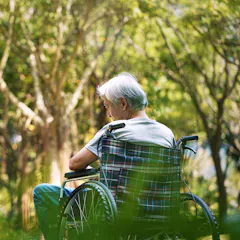
Only 33% of participants in a Queensland study knew voluntary assisted dying was legal.

Nearly 40% of all gifts and grants and 60% of the total number of dollars given backed initiatives based in the foundation’s own state.

Lots of digital tools promise to assist children with neurodevelopmental conditions such as autism and ADHD. But it’s hard to know what is and isn’t useful.

Kids can be more vulnerable due to a combination of their behaviour and physiology.
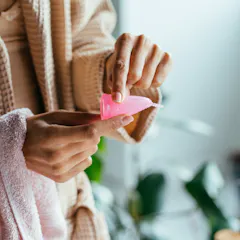
A new study found young Australians often face discomfort and difficulties such as leakage when using menstrual cups, especially at first. This shows the need for more information and support.
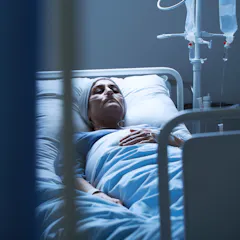
More and more countries are legalising voluntary assisted dying. But who is accessing it? The results of a recent international study provide some answers.

Most people who record their medical appointments do so to help them understand and remember medical information.

It’s probably less than you expect.

Most Australians might expect more mental health services to be delivered to those who need them the most, which would be many in the lowest income areas. We found the opposite occurs.

In a new study, we interviewed and shadowed 14 doctors in a public hospital to understand the pressures they are under.
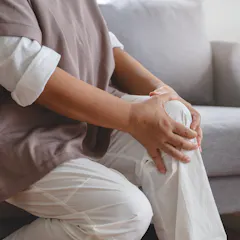
A recent study found semaglutide – the drug known as Ozempic – can improve knee pain in people with obesity and osteoarthritis.
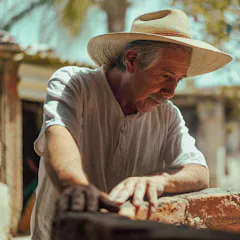
Although heatwaves can affect everyone, older adults are particularly at risk. But our new research has found older Queenslanders don’t necessarily believe heat poses a risk to their health.
In a new review, we explored the impact of physical activity on type 2 diabetes among First Nations Australians. But there wasn’t much data to be found.
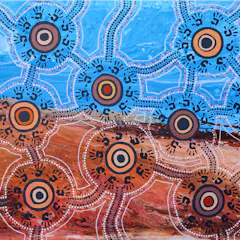
Skin infections disproportionately affect children in Australia’s remote Indigenous communities.
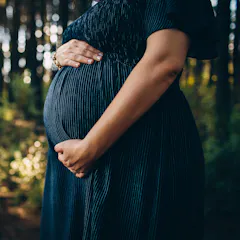
This link might be explained by a woman’s immune response when carrying a baby that’s not genetically hers.

Our new research shows weak infrastructure and climate events such as cyclones and floods make sanitation conditions even poorer for many people living in the Pacific Islands.
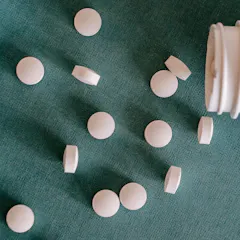
In a sample of people who regularly use ecstasy and other illicit stimulants, 54% reported using pharmaceutical stimulants without a prescription in the previous six months.

Gas stoves are responsible for 12% of Australia’s childhood asthma. But replacing your cooktop might not be practical if you’re renting or struggling with cost-of-living.
Top contributors
-

Professor of Infectious Diseases, Monash University
-
Professor of Psychology, The University of Melbourne
-
Professor of Nursing and Health Services Research, University of Newcastle
-
Lecturer in Physiotherapy, Adelaide University
-
Research Officer, Australian Research Centre in Sex, Health and Society, La Trobe University
-
Associate Professor, Sydney School of Public Health, University of Sydney
-
Full Professor and Associate Vice-President, Research, Mount Saint Vincent University
-
Research Fellow, Australian Research Centre in Sex, Health and Society, La Trobe University
-
Professor of Physiotherapy, Macquarie University
-
Medical Director, Kimberley Aboriginal Medical Services, Indigenous Knowledge
-
Principal Research Fellow, Australian Research Centre in Sex, Health and Society, La Trobe University
-
Professor of Paediatric and Perinatal Epidemiology and Chair in Translational Childhood Medicine, University of Sydney
-
Associate Professor, Epidemiology, Deakin University
-
Associate Professor, School of Public Health, University of Sydney
-
Lecturer in Exercise Science, Adelaide University