
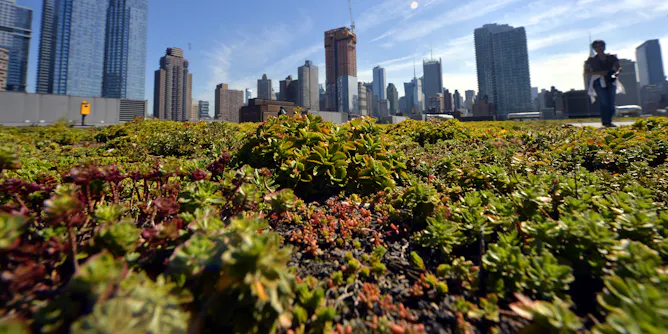
The success of green roofs depends on more than just good intentions and engineering – they need long-term love and care.
Articles on Green roofs
Displaying 1 - 20 of 43 articles
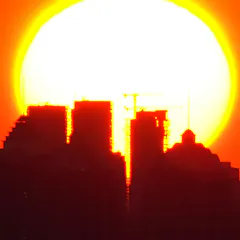
Public ponds, fountains and new reflective buildings are needed to protect Yaoundé’s people from the heat island effect.
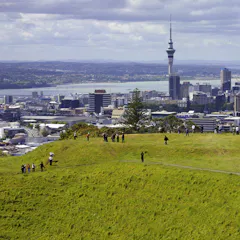
It’s not enough to have parks in city outskirts or urban green belts. Green spaces must be accessible for residents and placed to provide effective flood protection for cities.
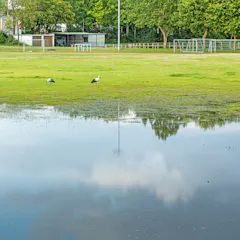
As mums, it’s been frustrating to see so many of our kids’ sport matches cancelled due to waterlogged grounds. Research shows how we can tackle this through smarter design and green infrastructure.
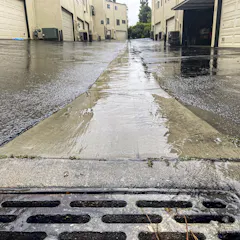
US cities are doing green infrastructure, but in bits and pieces. Today’s climate-driven floods require a much broader approach to create true sponge cities that are built to soak up water.

Regular floods are washing away parts of KwaZulu-Natal faster than they can be rebuilt.
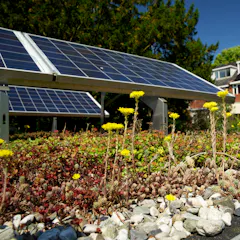
A new study shows we can maximise the benefits of green roofs and rooftop solar systems by putting them together on the one roof.
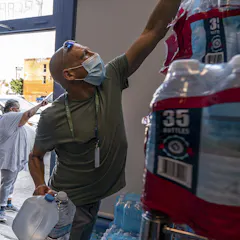
A new report lays out steps communities can take to help their residents survive heat waves as the risk of dangerous temperatures rises.

In 2015, 6,700 premature deaths were caused by urban heat – this can be reduced by a third by planting more trees.

Australian cities remain woefully unprepared for the more extreme weather we are already seeing with climate change. But some cities overseas stand out for having developed readymade solutions.
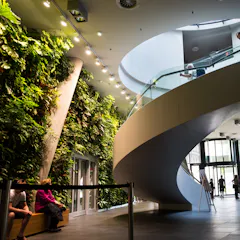
Green buildings can cost more than conventional structures, but the small increase has noticeable benefits for those working and living within them.
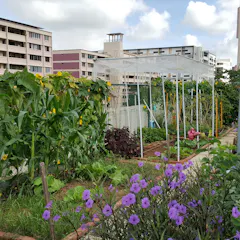
For a long time the roof has been an afterthought in urban design, but the future is definitely looking up.

The release of a roadmap for green roofs, walls and facades in Australia can help our cities catch up with the world leaders in urban greening.
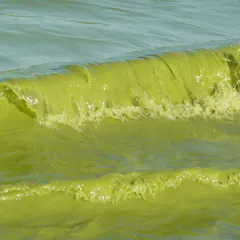
Warmer waters, heavier storms and nutrient pollution are a triple threat to Great Lakes cities’ drinking water. The solution: Cutting nutrient releases and installing systems to filter runoff.
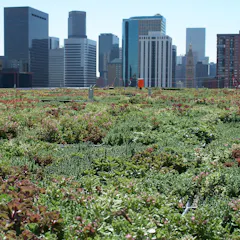
From happier and healthier residents to more resilient buildings – green roofs offer significant benefits to cities.
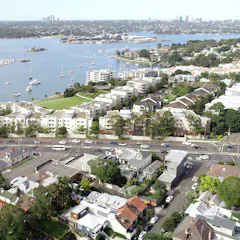
Greater urban density is making it harder to preserve, let alone increase, tree cover. It’s vital, then, to demonstrate the full value of green infrastructure for healthy liveable cities.
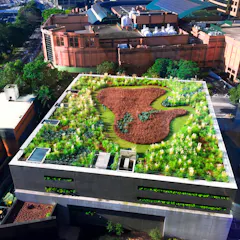
South Africa needs to develop low-cost housing solutions that are inherently comfortable and environmentally sustainable. Green roofs could be part of these solutions.

Hot weather kills more Americans yearly on average than floods, tornadoes or hurricanes. Three scholars explain how cities can prepare and help residents stay cool.
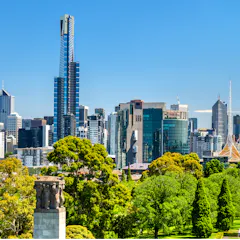
Rather than mourn the end of a seven-year reign as ‘world’s most liveable city’, Melbourne could raise its sights to become more liveable, healthy and sustainable for all who live in the city.

Urbanisation is the main reason for rising temperatures and water pollution, but receives little attention in discussions about the health of water streams, reefs and oceans.
Top contributors
-

Associate Professor, Associate Chair of Graduate Studies for Environmental Engineering, and Canada Research Chair in Stormwater and Low Impact Development (Tier II), Carleton University
-
Professor, School of the Built Environment, University of Technology Sydney
-
Professor of Human Geography and Planning, University of Tasmania
-
Senior Lecturer in Urban and Environmental Planning, Griffith University
-
Illinois Research Climatologist, University of Illinois Urbana-Champaign
-
Associate Professor in Planning, University of Technology Sydney
-
Research Professor ISGlobal Barcelona and Professorial Fellow, ACU Melbourne, Australian Catholic University
-
Associate Professor of Landscape Architecture , University of Toronto
-
Research Assistant, GRIT Lab, University of Toronto
-
PhD student in the School of Built Environment, University of Technology Sydney
-
Professor of Practice, School of Architecture and Built Environment, University of Newcastle
-
Lecturer and Researcher, Urban Design and Town Planning, University of the Sunshine Coast
-
Professor of Philosophy and Environmental Studies and Sciences, Gonzaga University
-
Lecturer and Programme Leader, BA International Tourism and Events Management, Glasgow Caledonian University
-
Lecturer in Enviromental Law, Macquarie University