
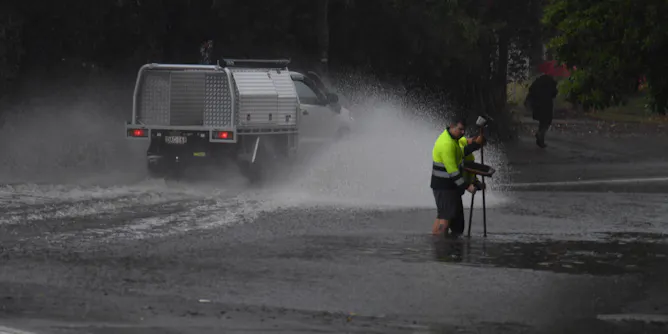
Australia’s coastal settlements are highly exposed to the impacts of climate change. Climate-resilient urban landscapes that can cope with large amounts of water need to become the new normal.
Articles on Green roofs
Displaying 21 - 40 of 43 articles
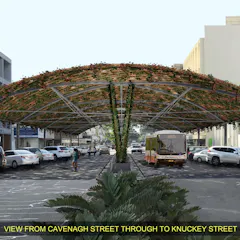
Darwin’s climate is getting even hotter and it’s one of the main reasons people leave the city. A lot more can be done, though, to make our tropical cities safe, cool and enjoyable.
Taking this step may improve the quality of life for vulnerable people and reduce the amount of air conditioning they use, making their neighborhoods less prone to power outages.
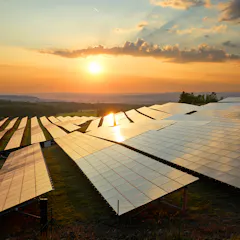
Energy experts are getting excited about a proposed solar farm in Kent and what it could mean for a clean energy future.
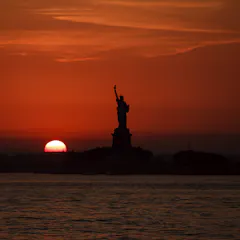
July is the hottest month in much of North America. Experts explain who is most affected by heat waves and ways to cope with them.
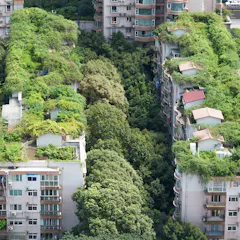
Dense, high buildings limit the space available for urban greenery. But imaginative projects that involve the community can ensure nature and the city go hand in hand.

Research shows if Australia encourages greenery on buildings, it will reduce temperatures in the city, as well as potential for flash flooding. It also creates new habitats and socialising spaces.
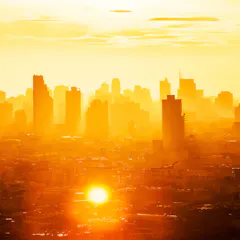
How to move beyond the warm words about tackling urban heat islands to doing something about them.
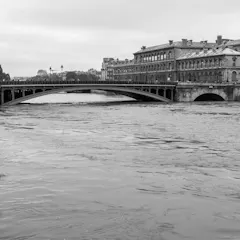
In the future, Europe will suffer from more heat waves as well as extreme rainfall, presenting new challenges for planners and health care services. Building resilient cities can help.
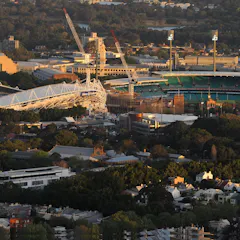
The Australian Open tennis and the recent Ashes Test cricket series show why our sporting stadiums need to be “climate-proofed” to deal with extreme heat.
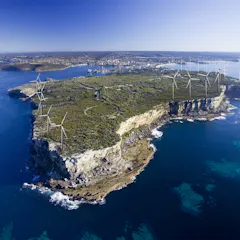
Sun, wind, waste biomass, geothermal, tides and waves: all these energy sources in Sydney’s backyard add up to a zero-carbon energy solution for the city.
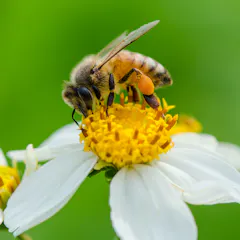
Urban bees deal with what’s known as “habitat patches,” discontinuous patches of green like gardens, parks and ravines. Green roofs could offer relief to bees dealing with habitat fragmentation.
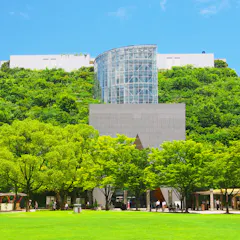
Green roofs could play a critical role in helping cities cope with extreme rainfall events in the age of climate change. The roofs essentially suck up stormwater like sponges if designed properly.

Greening cities have a huge impact. The trees go beyond just lowering temperatures. They help decrease the demand for indoor cooling like air-conditioners saving money.
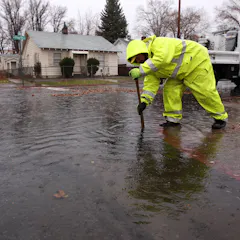
The US wants to invest in more infrastructure to handle our rainfall and melted snow. Stormwater credits could help cut costs and protect the environment.

Health benefits of being close to nature are well established, but the rise of apartment living means we can’t always be close to greenery.
International problems and local policies are integrally interwoven, whether the nationalists in Washington like it or not.
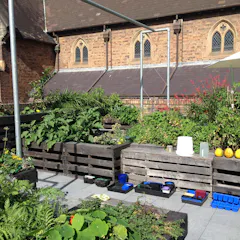
In a world of increasing urbanisation, density, pressure and, some say, isolation, there’s a natural salve for stress, pressure and mental illness. And it’s right above our heads.
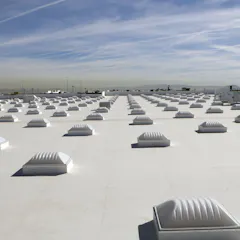
Green and cool (reflective) roofs are effective tools for cooling overheated cities. Research in Chicago shows that their impacts depend on local conditions, so planners should site them carefully.
Green infrastructure can be delivered relatively easily using existing planning processes. The main obstacle could be psychological: planners are wary of disruption to embedded practices.
Top contributors
-

Associate Professor, Associate Chair of Graduate Studies for Environmental Engineering, and Canada Research Chair in Stormwater and Low Impact Development (Tier II), Carleton University
-
Professor, School of the Built Environment, University of Technology Sydney
-
Professor of Human Geography and Planning, University of Tasmania
-
Senior Lecturer in Urban and Environmental Planning, Griffith University
-
Illinois Research Climatologist, University of Illinois Urbana-Champaign
-
Associate Professor in Planning, University of Technology Sydney
-
Research Professor ISGlobal Barcelona and Professorial Fellow, ACU Melbourne, Australian Catholic University
-
Associate Professor of Landscape Architecture , University of Toronto
-
Research Assistant, GRIT Lab, University of Toronto
-
PhD student in the School of Built Environment, University of Technology Sydney
-
Professor of Practice, School of Architecture and Built Environment, University of Newcastle
-
Lecturer and Researcher, Urban Design and Town Planning, University of the Sunshine Coast
-
Professor of Philosophy and Environmental Studies and Sciences, Gonzaga University
-
Lecturer and Programme Leader, BA International Tourism and Events Management, Glasgow Caledonian University
-
Lecturer in Enviromental Law, Macquarie University