
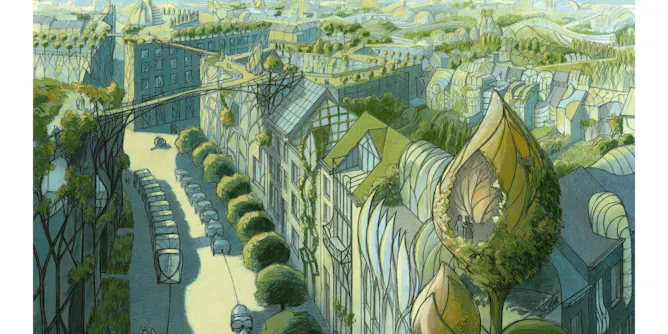
The ‘green walls’ you might have seen on city centre buildings are just the start.
Articles on Green walls
Displaying all articles
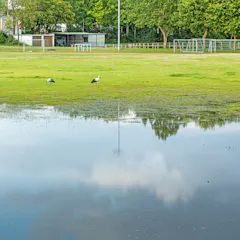
As mums, it’s been frustrating to see so many of our kids’ sport matches cancelled due to waterlogged grounds. Research shows how we can tackle this through smarter design and green infrastructure.
Heatwaves can leave you in a sticky situation.
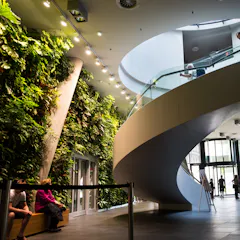
Green buildings can cost more than conventional structures, but the small increase has noticeable benefits for those working and living within them.
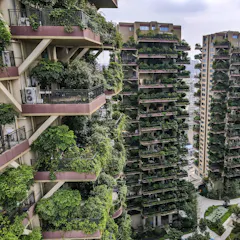
People love to connect with nature and that’s possible with vertical gardens on high-rise developments. But gardens need a gardener to keep things under control.

The release of a roadmap for green roofs, walls and facades in Australia can help our cities catch up with the world leaders in urban greening.
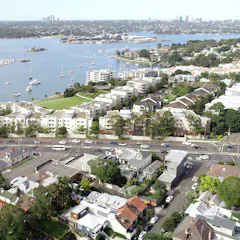
Greater urban density is making it harder to preserve, let alone increase, tree cover. It’s vital, then, to demonstrate the full value of green infrastructure for healthy liveable cities.

Research shows if Australia encourages greenery on buildings, it will reduce temperatures in the city, as well as potential for flash flooding. It also creates new habitats and socialising spaces.
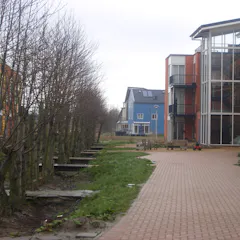
Green infrastructure can be delivered relatively easily using existing planning processes. The main obstacle could be psychological: planners are wary of disruption to embedded practices.
It seems like a ‘no brainer’ to use urban greening to help cities adapt to increasing heat, but the uptake of green infrastructure, such as trees and vegetated roofs, surfaces and walls, is slow. Why?
Top contributors
-

Senior Lecturer in Urban and Environmental Planning, Griffith University
-
Professor, School of the Built Environment, University of Technology Sydney
-
Associate Professor in Planning, University of Technology Sydney
-
Professor of Human Geography and Planning, University of Tasmania
-
Postdoctoral Researcher, Climate Science, University of Oxford
-
Lecturer in Architecture, Practice and Design, Swinburne University of Technology
-
Melbourne Enterprise Senior Fellow in Informed Cities, Connected Cities Lab, The University of Melbourne
-
PhD Candidate, Bioresource Engineering, McGill University
-
PhD student in the School of Built Environment, University of Technology Sydney
-
Senior Deputy Dean, UNSW Business School, Co-DVC Equity, Diversity and Inclusion, UNSW
-
Researcher, Division of Building and Real Estate Economics, KTH Royal Institute of Technology
-
Head of School of Built Environment, Professor of Urban Planning, University of Technology Sydney
-
Associate Professor in Urban Ecology and Urban Horticulture, The University of Melbourne
-
Lecturer in Architecture, UCL
-
Senior Lecturer – Creative Intelligence | Faculty of Transdisciplinary Innovation & Senior Lecturer – Accounting | UTS Business School, University of Technology Sydney