
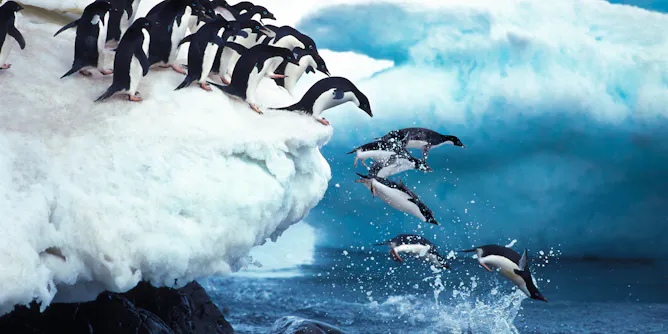
The latest IPCC report makes it clear we can no longer stop the seas from rising, but we can still control how much and how fast sea levels change.
Articles on Glaciers
Displaying 101 - 120 of 164 articles

Glacial lakes around the world are expected to flood downstream areas more often as climate change makes them less stable.
If emissions continue at their current pace, Antarctica will cross a threshold into runaway sea rise when today’s kids are raising families. Pulling CO2 out of the air later won’t stop the ice loss.
Glaciers aren’t sterile wastelands – they’re chock-full of microscopic life.

New research shows how fibre-optic cables can monitor the hidden structure of glaciers, teaching us about past and future ice flow.
A future of heat and strife or humanity’s finest hour – our response to climate change today will define the 21st century.
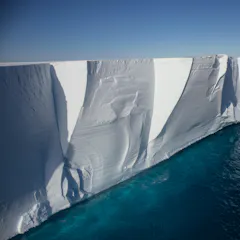
In a new study, we found that a third of Antarctica’s ice shelves could collapse at 4°C of global warming.

Glaciers support a unique community of plants, many of which are found nowhere else.
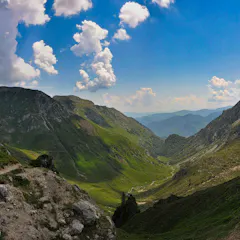
We think of mountains as remote and little affected by human activity. Unfortunately, the negative impacts of what we do has important implications for nature, wildlife and human society.
Ice Age glaciers can help us track the jet stream 12,000 ago, and by comparing its path today we can see how it’s moving northwards, changing weather patterns and indicating climate change.
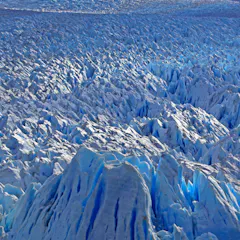
The parable of the dragons underlines the need to apprehend glacier disappearance in a transdisciplinary way, to create a dialogue between the physical, ecological and philosophical sciences.
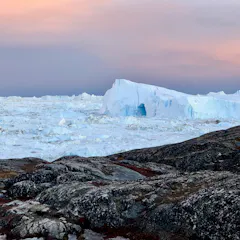
Greenland’s glaciers have retreated so far that they can no longer support the ice sheet that feeds them. The ice sheet system has reached a new normal of consistent annual ice loss.
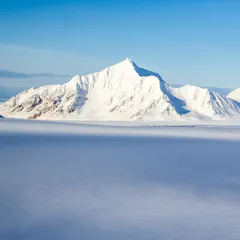
Our research found these remote Arctic islands are particularly vulnerable to climate change.
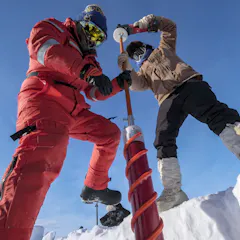
Ice cores can preserve evidence of ‘black swan’ events like pandemics and droughts, but the glaciers from which they are collected are disappearing.
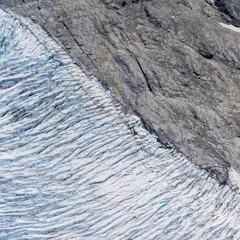
For the first time, scientists have been able to quantify how much climate change contributed to glacial melt, using more than 40 years of data from New Zealand’s retreating glaciers.
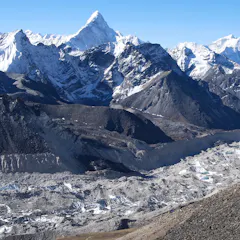
How speculation came to be presented as scientific fact and inspired a decidedly non-glacial race to discover the future of Himalayan glaciers.

Auckland’s extreme drought and the rapid retreat of glaciers in the Southern Alps both highlight how important long-term observations are for water management policy and planning.

These findings are in stark contrast with the original worldview that suggested the entire globe was at a maximum glaciated state around 20 000 years ago.

Glacier mice aren’t rodents – they’re mysterious balls of moss that manage to live in one of the world’s harshest environments.
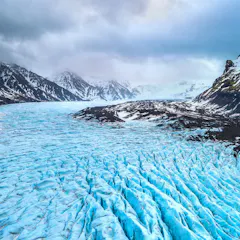
Our study explores the factors which cause glacial erosion.
Top contributors
-

Principal Scientist & Programme Leader of Southern Hemisphere Climates and Environments, National Institute of Water and Atmospheric Research (NIWA)
-
Professor of Glaciology and Earth Observation, University of Bristol
-
Research Fellow, Antarctic Research Centre, Te Herenga Waka — Victoria University of Wellington
-
Professor of Geography, University of Aberdeen
-
Professor of Geography and the Environment, School of Geosciences, University of Aberdeen
-
Harold T. Stearns Professor of Earth Science, Wesleyan University
-
Professor of Glaciology, Newcastle University
-
Research Fellow in Glacial Geomorphology, Monash University
-
Professor of Geography, The Ohio State University
-
Reader, Manchester Metropolitan University
-
Senior Lecturer, Glaciology, University of Portsmouth
-
Climate Scientist, British Antarctic Survey
-
Professor of Earth Sciences, Dartmouth College
-
Distinguished University Professor, Earth Sciences, The Ohio State University
-
PhD Researcher, Aberystwyth University