
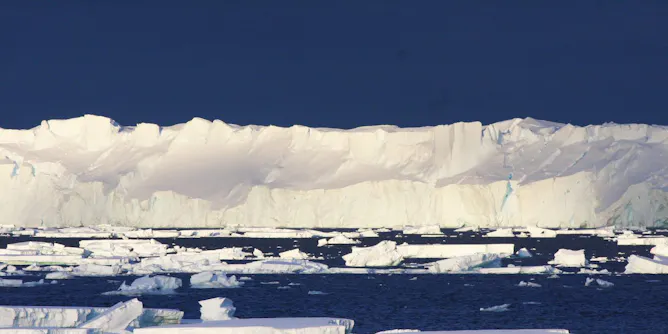
Antarctica’s ice shelves have helped insulate it from dangerous levels of ice loss. But this is changing.
Articles on Glaciers
Displaying 81 - 100 of 164 articles
The findings underscore the urgency of limiting global warming to below 1.5°C, to avert the most catastrophic climate harms.
The Earth has had at least five major ice ages, and humans showed up in time for the most recent one. In fact, we’re still in it.
Liquid water below the ice determines how fast an ice stream flows. As the ice sheet gets thinner, more of that salty groundwater could rise.

Rocks deposited by vanishing glaciers in the Southern Alps thousands of years ago hold climate clues about the past, painting a bleak picture about the long-term survival of alpine ice in New Zealand.
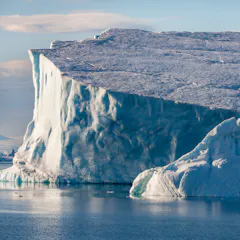
For the first time since satellites started studying the continent, East Antarctica has lost an entire ice shelf.
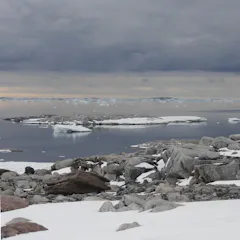
This seemingly one-off heatwave may be a harbinger for the future under climate change.
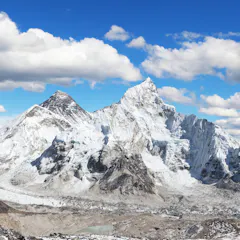
Remote sensing satellites provide the crucial data that helps scientists model disasters so that they can work on predicting avalanche patterns in future.
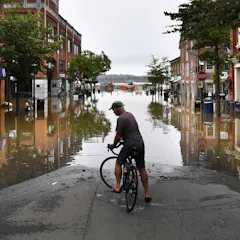
A sea level scientist explains the two main ways climate change is threatening the coasts.

Glaciers in North America, Europe and the Andes, in particular, have significantly less ice than people realized.
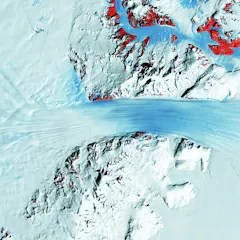
A massive Antarctic ice shelf is showing signs of cracking and could trigger worldwide flooding.

Sea ice is thinning at an alarming rate. Snow is shifting to rain. And humans worldwide are increasingly feeling the impact of what happens in the seemingly distant Arctic.
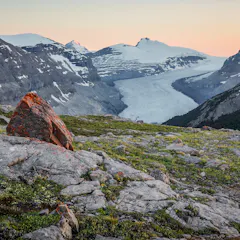
Policy-makers need the courage to commit to meaningful reductions of greenhouse gas emissions if we want to avoid the widespread loss of mountain glaciers.
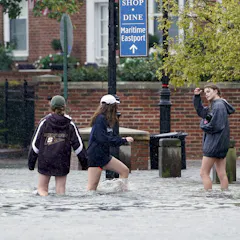
Climate change is making ocean levels rise in two ways. It’s a problem that will endure even after the world stabilizes and slashes greenhouse gas pollution.
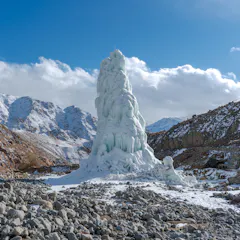
Constructed ice domes release water during dry periods when rain is blocked by high mountain ranges, stifling essential crop cultivation for rural communities.
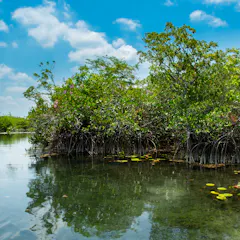
Mangroves grow in saltwater along tropical coastlines, but scientists have found them along a river in Mexico’s Yucatan, more than 100 miles from the sea. Climate change explains their shift.
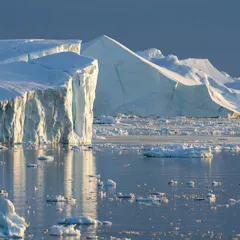
Three things define an ice age: Earth has to be cold enough for a long time, ice grows to cover significant areas, and it lasts for millions of years.
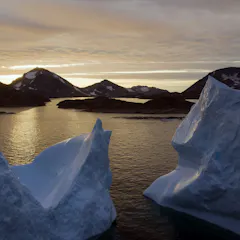
Greenland’s melting ice sheets threaten to significantly hamper humanity’s efforts to mitigate climate change.
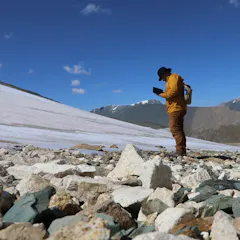
From the high Yukon to the mountains of Central Asia, melting ice exposes fragile ancient artifacts that tell the story of the past – and provide hints about how to respond to a changing climate.

New Zealand’s climate has been changing in line with global trends over the last century, warming by 1.1°C. But unless we curb emissions fast, we can brace for more extreme downpours and droughts.
Top contributors
-

Principal Scientist & Programme Leader of Southern Hemisphere Climates and Environments, National Institute of Water and Atmospheric Research (NIWA)
-
Professor of Glaciology and Earth Observation, University of Bristol
-
Research Fellow, Antarctic Research Centre, Te Herenga Waka — Victoria University of Wellington
-
Professor of Geography, University of Aberdeen
-
Professor of Geography and the Environment, School of Geosciences, University of Aberdeen
-
Harold T. Stearns Professor of Earth Science, Wesleyan University
-
Professor of Glaciology, Newcastle University
-
Research Fellow in Glacial Geomorphology, Monash University
-
Professor of Geography, The Ohio State University
-
Reader, Manchester Metropolitan University
-
Senior Lecturer, Glaciology, University of Portsmouth
-
Climate Scientist, British Antarctic Survey
-
Professor of Earth Sciences, Dartmouth College
-
Distinguished University Professor, Earth Sciences, The Ohio State University
-
PhD Researcher, Aberystwyth University