
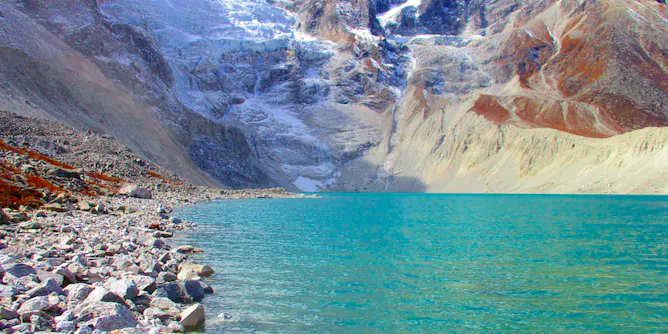
Meltwater lakes forming at the head of glaciers are causing them to shrink faster, which will affect the flow of big rivers that supply millions of people downstream in Asia.
Articles on Glaciers
Displaying 121 - 140 of 164 articles
Global heating could reduce mountain glacier snow and ice by up to 80% by 2100, threatening major drinking water supplies.

Satellite research confirms its enormous ice sheet is melting faster than most scientists predicted.
‘Black carbon’ from rainforest fires is settling on glaciers and making them melt faster, according to new research.
Peruvian glaciers have shrunk by 25% since 1987, causing water shortages in rural villages. But ancient technology could help manage this precious resource.

Sea levels could rise by two metres by 2100, sparking a refugee crisis unlike anything the world has ever seen.
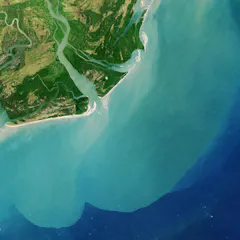
Satellites hundreds of miles overheard are helping scientists to predict drought, track floods and see how climate change is changing access to water resources.

A new report predicts that one-third of the ice in the Himalayas will melt, even if we contain global warming to 1.5C. So what does that mean for the flood-prone valleys below?
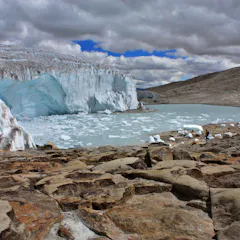
A climate scientist has been visiting the same glacier in Peru for years and explains the complex effects its rapid melting is having.

Mean annual air temperature on Everest is –13°C at 7,000 metres elevation, and yet the ice in its highest glacier is only –3.3°C.
Bombarding people with scientific information has little effect. Something else is needed to jolt us out of our current climate trajectory.
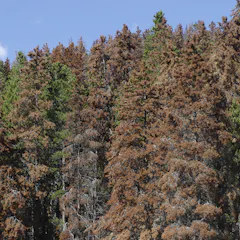
As climate change alters temperature and precipitation patterns across the US, it is having especially severe impacts on national parks. These changes could happen faster than many plants and animals can adapt.
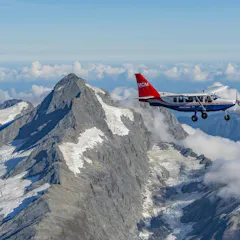
Forty years of continuous end-of-summer snowline monitoring of New Zealand’s glaciers brings the issue of human-induced climate change into tight focus.

Meet the first team trying to understand the secrets of Mount Everest’s glaciers.
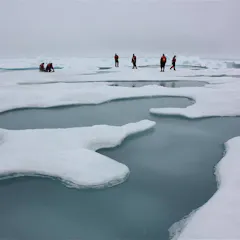
Climate change is transforming the Arctic, with impacts on the rest of the planet. A geographer explains why he once doubted that human actions were causing such shifts, and what changed his mind.

Ig Nobels reward research that first makes you laugh and then makes you think. Investigating the internet meme of fluid felines fits the bill – and adds to the physics field of rheology.
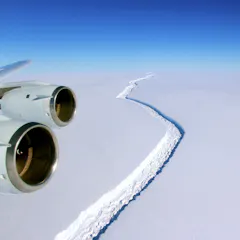
A huge iceberg is set to break free from Antarctica. While the iceberg isn’t hugely concerning, it could herald the breakup of the entire Larsen C ice shelf, which could trigger more sea-level rise.
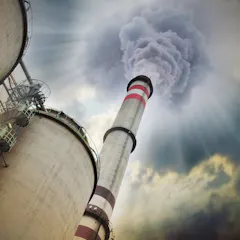
Set aside the politics. If by some miracle we turned off carbon emissions immediately, how would the climate respond?
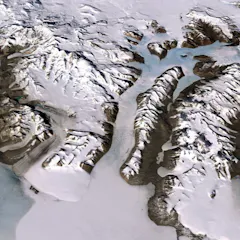
Melting ice from Antartica could feed vast plankton blooms, trapping carbon in the ocean. To understand this complex mechanism, researchers looked at volcanoes deep under glaciers.
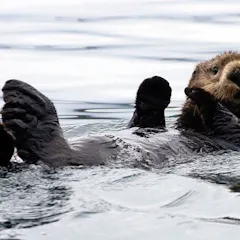
Sea otters had been absent from this Alaskan national park for at least 250 years. By marrying math and statistics, scientists map this animal’s successful comeback.
Top contributors
-

Principal Scientist & Programme Leader of Southern Hemisphere Climates and Environments, National Institute of Water and Atmospheric Research (NIWA)
-
Professor of Glaciology and Earth Observation, University of Bristol
-
Research Fellow, Antarctic Research Centre, Te Herenga Waka — Victoria University of Wellington
-
Professor of Geography, University of Aberdeen
-
Professor of Geography and the Environment, School of Geosciences, University of Aberdeen
-
Harold T. Stearns Professor of Earth Science, Wesleyan University
-
Professor of Glaciology, Newcastle University
-
Research Fellow in Glacial Geomorphology, Monash University
-
Professor of Geography, The Ohio State University
-
Reader, Manchester Metropolitan University
-
Senior Lecturer, Glaciology, University of Portsmouth
-
Climate Scientist, British Antarctic Survey
-
Professor of Earth Sciences, Dartmouth College
-
Distinguished University Professor, Earth Sciences, The Ohio State University
-
PhD Researcher, Aberystwyth University