
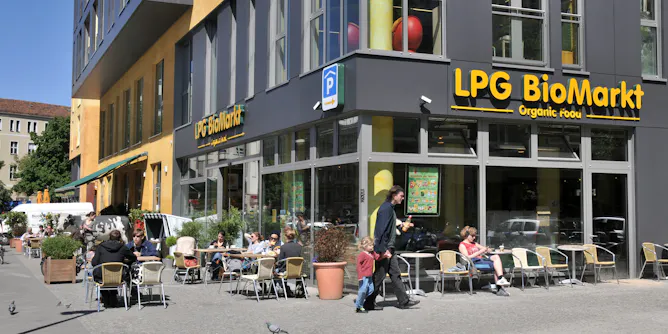
An expert on organic agriculture argues that the US is missing an economic and environmental opportunity by not working to scale up organic production.
Articles on Genetic engineering
Displaying 21 - 40 of 49 articles
Solutions to some of the globe’s most daunting environmental challenges may be closer than you think. Scientists are harnessing nature to clean up toxic chemicals and mining waste.
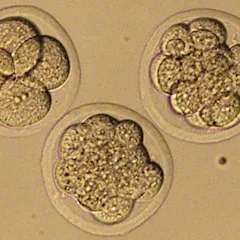
Researchers have grown the first human-monkey hybrid embryos as well as mouse embryos in artificial wombs late into development. These biomedical breakthroughs raise different ethical quandaries.
New research involving CRISPR technology has furthered our understanding of corals’ gene functions. Specifically, it has revealed a mechanism underpinning how corals withstand heat stress.
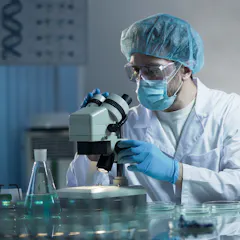
The evidence suggests the novel coronavirus evolved naturally.
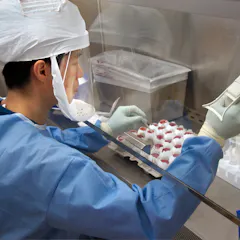
The conspiracy theory that Covid-19 was created in a laboratory has been widely reported, yet there is no evidence to support it. Why such theories thrive can easily be explained, however.
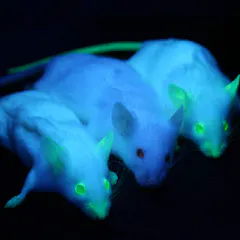
Human changes to the living world have benefited us, but the ecological consequences are mounting.
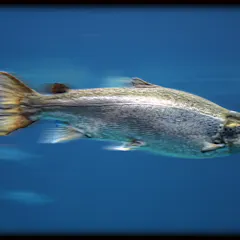
The FDA has given the green light to sell the first genetically engineered animal – farmed salmon –in the US.
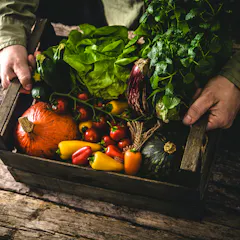
Is gene editing compatible with organic farming? A scholar explains the differences between old genetic engineering and CRISPR methods, and why the latter is similar to tradition plant breeding.
Right now, you’re living in a kind of industrial revolution – where biotechnology, information technology, manufacturing and automation all come together to form synthetic biology.

Scientists have engineered sugarcane to increase its oil content and are developing renewable jet aircraft fuel from the oil. The engineered sugarcane could become a valuable energy crop.
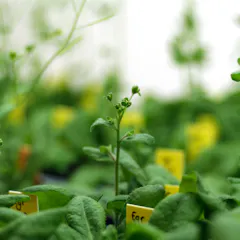
Inserting a random DNA mishmash into a plant or bacterium directs it to make a novel protein. Sifting through the resulting molecules, researchers may find ones have medical or agricultural uses.
Americans have moved on from worrying about ‘test-tube babies’ – but there are still ethical challenges to resolve as reproductive technologies continue to advance.
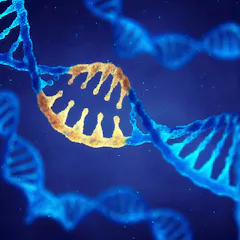
A team in the U.S. is said to have safely and effectively altered human embryos. The news is a reminder that citizens must be consulted on developments potentially affecting the future of the species.
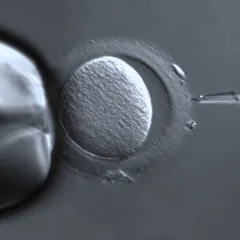
The news may have come as a surprise, but it probably shouldn’t have. A bioethics expert walks through how big a deal this announcement is – and what we should be considering now.
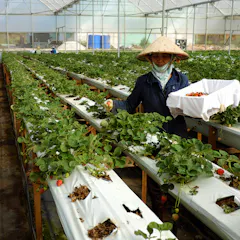
The crops of the future must become much better at dealing with dehydration.
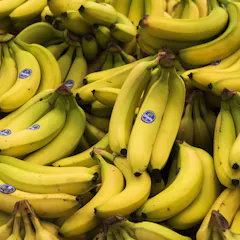
Every single Cavendish banana plant worldwide is genetically identical. This vast monoculture sets them up for disastrous disease outbreaks. But researchers have ideas on how to protect the crop.
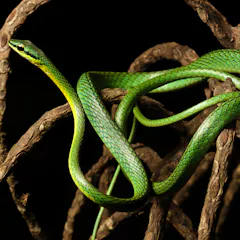
Scientists have uncovered the genetics that explain the snake’s impressive length – and used the science to create extra-long mice.
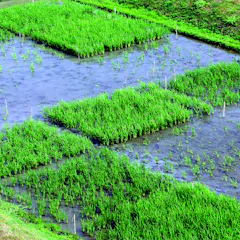
Advocates have argued for years about whether genetically engineered crops are safe to grow and eat. Plant pathologist and geneticist Pamela Ronald calls for a more nuanced discussion.
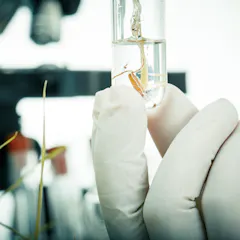
Are genetically engineered crops safe for human health and the environment? A new report says yes but points out problems and regulatory gaps. Three members of the study panel offer their takeaways.
Top contributors
-

Executive Director, Swette Center for Sustainable Food Systems, Arizona State University
-
Emeritus Strategic Professor in Palaeontology, Flinders University
-
Visiting Fellow (Molecular and Cellular Biology), University of Leeds
-
Personal Chair in Synthetic Biological Engineering, University of Edinburgh
-
Director, Institute of the Environment and Sustainability, University of California, Los Angeles
-
Research Associate - Creative Industries, Flinders University
-
CEO, Australian Centre for Plant Functional Genomics
-
Professor in Molecular Sciences, The University of Western Australia
-
Senior Research Fellow, Agroecological Futures, Coventry University
-
Research Leader, Sport, Institute of Sport, Exercise and Active Living, Victoria University
-
Director, Synthetic Biology Future Science Platform, CSIRO
-
Professor of Agricultural and Biological Engineering and Director of Integrated Bioprocessing Research Laboratory, University of Illinois Urbana-Champaign
-
Distinguished Research Professor, Emerita, Dalhousie University
-
Professor of Bioethics, University of Sydney
-
Professor of Agriculture and Food Sciences, The University of Queensland