
Pay equity is not the same as equal pay, and is harder to calculate because women’s work is concentrated in low-paying industries. But without pay equity, all New Zealanders pay.
Articles on Gender pay gap
Displaying 21 - 40 of 183 articles

Artists and arts workers are facing financial stress, gender pay gaps, long hours and unstable work – with many leaving the sector as a result.
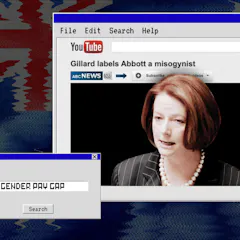
In the first 25 years of the century, Australia elected its first female prime minister and introduced paid parental leave, but how much have things really improved for women?

Where you live affects what kind of work is available.

Unpaid caring roles, lack of workplace flexibility and so-called female jobs contribute to women retiring with less money than men.

New research shows that certain personality traits can pay dividends – while others can be detrimental.
Many employers are appointing more women to management and paying fairer salaries, but there is a long way to go before the pay gap is closed – especially if you’re a woman in her 50s.

Decades of lower pay and part-time work can leave women’s pensions worth a fraction of men’s at retirement.

Now at 11.5%, the gap in weekly full-time earnings has just seen its steepest annual fall in almost a decade. But national averages don’t tell the whole story.

Twenty years ago, an average Australian woman working full time earned 85% of an average man. Last year, it was still only 87%. More is being done about the gender pay gap – but is it enough?

Universal early childhood education and care could have profound benefits for areas like Western Sydney, where despite rising education levels, women still face higher unpaid care burdens and other barriers.
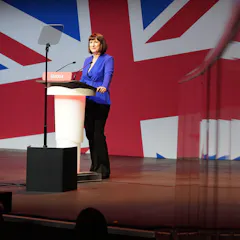
Labour’s shadow chancellor says she would focus on transparency and force organisations to publish action plans to stamp out unequal pay.

Requiring employers to be open about who gets paid what is just one tool for closing the gender pay gap. But the government is showing little sign of seriously tackling the issue.

The Fair Work Commission has been given new tools. Among them is the power to eliminate gender-based undervaluation of work in entire awards and groups of awards.

For the first time, Australians will be able to look up the gender pay gap and the proportion of women employed at every major Australian company.

New research shows that women’s earnings are negatively impacted by having children, while men’s aren’t. The effects can be long-lasting and contribute to the gender pay gap.
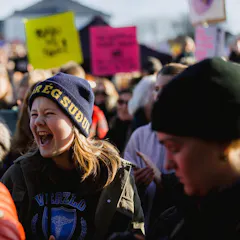
Longstanding concerns like the gender wage gap remain important but second-wave feminism must listen and evolve to continue to protect and promote women’s concerns.
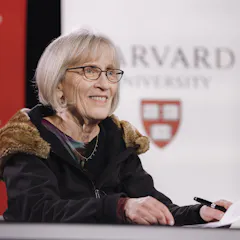
Goldin is showing the world that economics is about more than just finance.

Goldwin’s key insight is that it makes no sense to blame women’s choices for the gender pay gap. What women choose depends on norms and the demands of employers.

Any policy interventions from Creative Australia to support visual and craft artists’ incomes will need to take a sector-wide approach.
Top contributors
-

Associate Professor in Economics, Queensland University of Technology
-
Associate Professor, Bankwest Curtin Economics Centre, Curtin University
-
Distinguished Professor of Economics, Macquarie University
-
Professorial Fellow, University of Canberra
-
Professor, Human Resource Management, The University of Melbourne
-
Professor of Law, The University of Melbourne
-
Professor of European Politics and Society, University of Bath
-
Associate Professor Leeds University Business School, University of Leeds
-
Lecturer in Economics and Econometrics, Victoria University; Fellow, Motu Economic and Public Policy Research, Te Herenga Waka — Victoria University of Wellington
-
Director of the King's Global Institute for Women's Leadership, Professor of Work and Employment, King's College London
-
Senior Lecturer at York Business School, York St John University
-
Research Project Director at the Department of Economics, Macquarie University
-
Dean of Programs, EM Lyon Business School
-
Professor of Work and Organisation, University of Essex
-
Professor in Work and Organisation Studies, University of Essex