
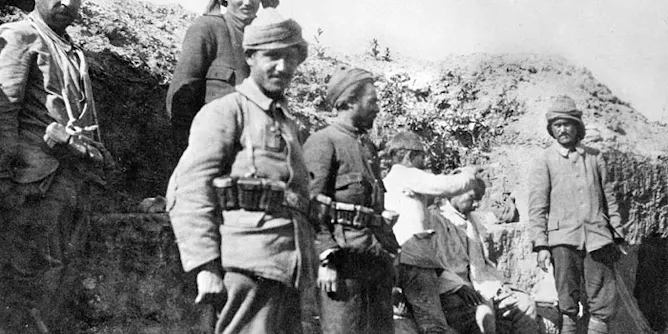
At Gallipoli this Anzac Day, thousands of Turkish youth will re-enact a march that stopped the Anzac advance in 1915. The march has taken on new significance in Turkey since an attempted coup in 2016.
Articles on Gallipoli
Displaying 21 - 40 of 44 articles
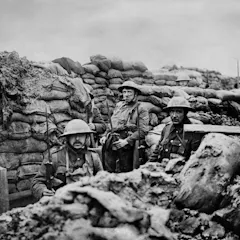
As tens of thousands of injured soldiers filled the UK’s overwhelmed hospitals, the scale of World War I became all too apparent.
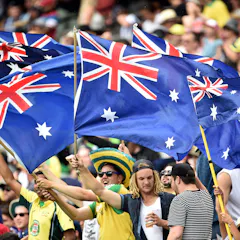
Australians boast of our warrior participation in every major war since 1899, and in every modern Olympiad since 1896.
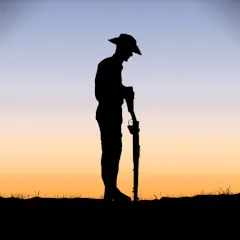
In 1960, historian Ken Inglis wondered if Anzac functioned as a secular religion in Australian society. In 2017, we can confidently answer: yes, it does.
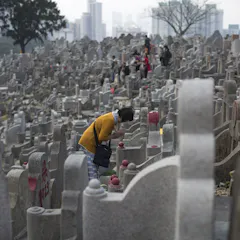
Like Australia, China traditionally commemorates those who served in war in April each year, and increasingly they do it via social media.
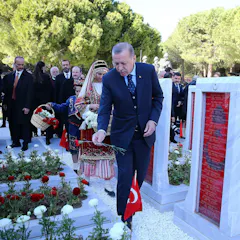
The Gallipoli campaign has, in recent years, increasingly become part of the culture wars in Turkey associated with the rise of political Islam.
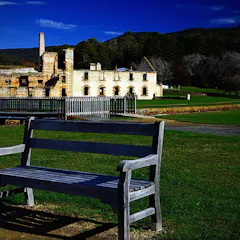
The 20th anniversary of the massacre at Port Arthur again raises pressing questions about ways of remembering the tragedy.
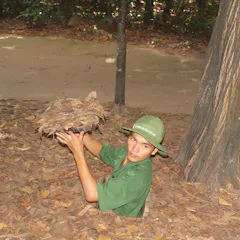
Might the rise of heritage tourism and the increasing ease of international travel lead to more of Australia’s military experiences overseas being better understood?
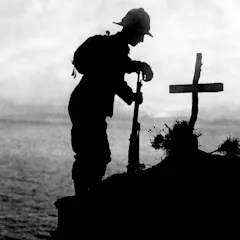
Gallipoli has become an enduring symbol of World War I’s futile carnage. But the campaign did have a purpose.
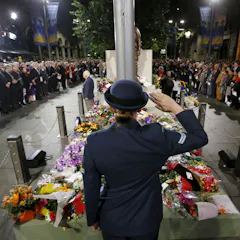
For those who were there one hundred years ago, Gallipoli was not the stuff of legend that it later became, but a site of regret and despair.

Henry Moseley, one of the outstanding young scientists of his generation, was shot and killed in the trenches of Gallipoli. But his death helped change the way that scientists are used in wartime.
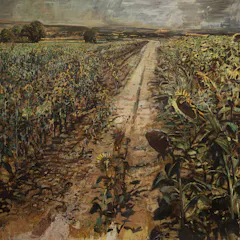
Tackling Gallipoli is an onerous challenge: it carries baggage that must be accommodated or unpacked with extreme care. Western Australian artist Lev Vykopal’s two exhibitions offer a mix of reverence, analysis, critique and poetry.
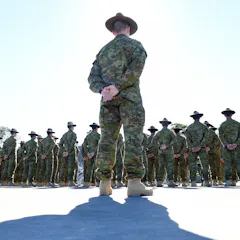
Although more than 100,000 Australians have lost their lives as a result of war service, photographs of our dead have never been published in newspapers.Perhaps we should reconsider this.
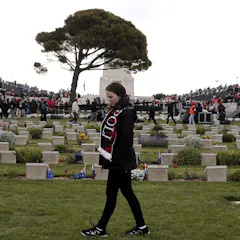
It is naïve to expect men to kill and die for their country, to live through the horrors of a particularly barbaric war, and to come out the other end unscathed – despite our popular myths.
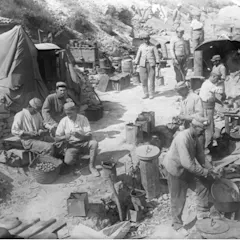
As Australians commemorate the Anzacs who died at Gallipoli, spare a thought for the 10,000 French soldiers who also died on the Dardanelles in the first world war.
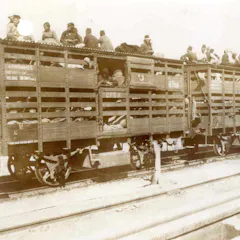
In 1915 and 1916, the Ottoman Armenians were destroyed as an organised community and more than one million of their number were killed – just as the Allies’ failed invasion of Gallipoli took place.
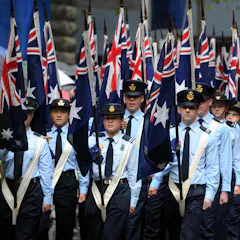
When Australian soldiers fought at Gallipoli, they did so under the Union Jack. Our flag has changed since then and debates about national identity have shifted. Is it now time for a new flag?
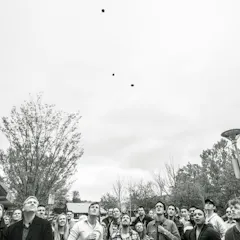
Anzac Day is the one day of the year it’s legal to play two-up. If we want to retain the thrill that was so important to the diggers, we’d keep it illegal rather than sanitising the practice.

The appalling conditions at Gallipoli indicate the wholly inadequate planning and response of the British and Allied military authorities to basic human needs.

Charles Bean made editorial decisions to eliminate the bloody realities of war in favour of a specially crafted and idealised construction of the Anzacs and the Gallipoli campaign.
Top contributors
-

Senior Lecturer in Sociology, Adelaide University
-
Chair Professor, Istanbul Bilgi University
-
Emeritus Professor of Classics, La Trobe University
-
Professor of Law, University of Waikato
-
Associate Professor in History, Deakin University
-
Lecturer in History, University of Auckland, Waipapa Taumata Rau
-
University Historian and Principal Research Fellow, History, University of Sydney
-
Senior Lecturer, School of Humanities and Social Sciences, Deakin University
-
Lecturer in Journalism, La Trobe University
-
Senior Lecturer, Classics and Ancient History and Director of Teaching and Learning (ugrad), School of Humanities and Social Sciences, La Trobe University
-
Professor, Monash University
-
ANU Visiting Professor, Politics and International Relations, Australian National University
-
Professor, Director of the Centre for the Study of Violence, School of Humanities and Social Science, University of Newcastle
-
Honorary Professor, Edith Cowan University
-
Affiliate Associate Professor of History, University of Sydney