
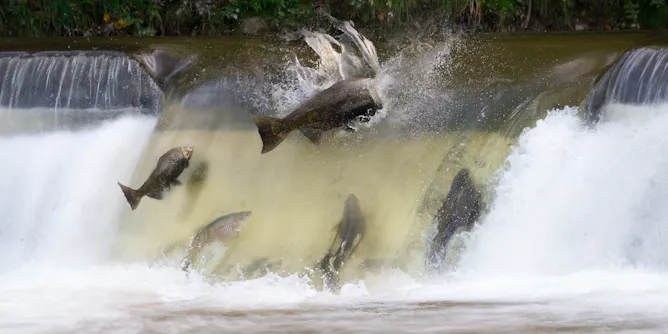
Migratory fish populations are down 81% since 1970, says a new report.
Articles on Freshwater biology
Displaying 1 - 20 of 27 articles

Any plan to dam or extract water from some of Australia’s last wild rivers must carefully consider the consequences. Prawn, mud crab and barramundi fisheries could suffer in the Gulf of Carpentaria.

Australia’s beloved billabongs and waterholes are in danger of filling up with eroded soil from farms, leaving little room for the aquatic animals that depend on these vital drought refuges.
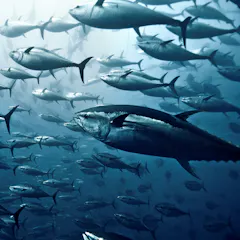
Just about every creature on Earth needs to grab some Zs from time to time. Imagine trying to doze while dodging great whites and killer whales.

The Nigerian government must do more to combat increasing plastic pollution in the country.
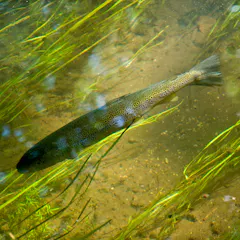
A staggering 85% of the world’s chalk streams are found in England.

Salty water seeps into our soils and groundwater through surface runoff and storm-water pipes. The long-term storage of salt in the environment impacts aquatic life, infrastructure and drinking water.

Rivers are among the most embattled ecosystems on Earth. Researchers are testing a new, inexpensive way to study river health by using eDNA to count the species that rivers harbor.
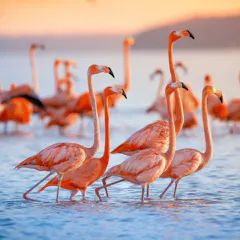
The lives of one in ten of Earth’s species are connected to lakes and their tributaries.
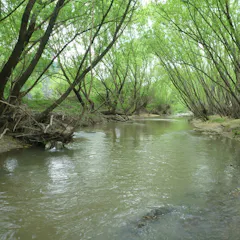
For temperature-sensitive animals, the dense, leafy canopy of willow trees may make them the lesser of two evils in a warming climate.
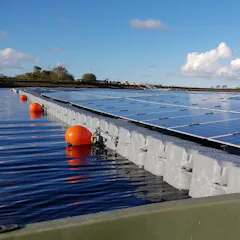
Earth’s floating solar power capacity has grown one-hundredfold in the last five years.
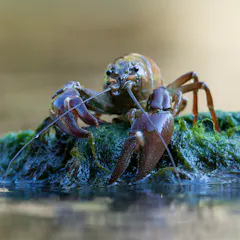
We found that signal crayfish traps tend to catch larger males, letting the bulk of the population go free.

Microplastics could pose a threat to the sustenance of aquatic biodiversity when ingested by animals.
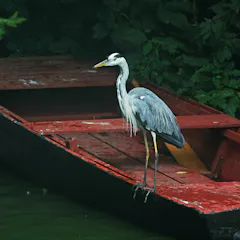
The ghosts of our industrial and agricultural past continue to haunt freshwater ecosystems today.

Twenty of these freshwater fish species have a 50% or greater probability of extinction within the next 20 years.
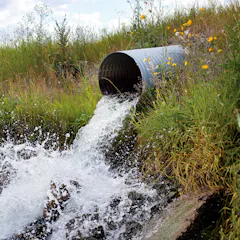
Fish need to cross roads too. But the tunnels built to channel rivers under roads and railways can block their migrations.
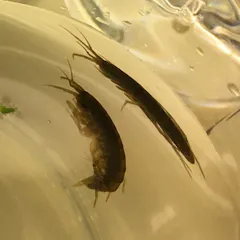
The discovery that such a common animal can rapidly produce vast numbers of nanoplastics is particularly worrying.
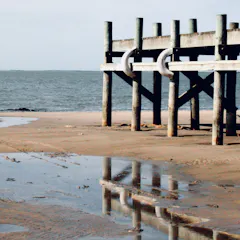
The review examined hundreds of studies and concluded the lower Murray should remain a freshwater ecosystem, or severe environmental and economic damage will result.
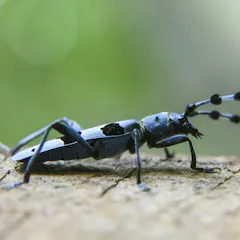
The largest study of insect declines to date gives us the best indication of how species all over the world are faring.
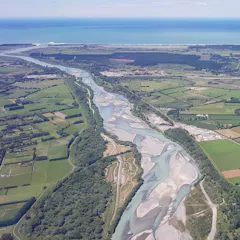
A new report on New Zealand’s lakes and rivers confirms that many freshwater ecosystems are in decline and warns that climate change will exacerbate existing threats.
Top contributors
-

Professor, Obafemi Awolowo University
-
Senior Research Scientist, CSIRO
-
Associate Professor in Environmental Change, Adelaide University
-
Adelaide University
-
Professor - Australian Rivers Institute, and Dean - Research Infrastructure, Griffith University
-
Emeritus Professor of Biology, University of Bath
-
Professor and Canada Research Chair in Cold Regions Water Science, Wilfrid Laurier University
-
Professor of Conservation Biology, Charles Darwin University
-
Lecturer in the School of Applied Sciences, Edinburgh Napier University
-
Professor in River Ecology, Nottingham Trent University
-
PhD Candidate, Geography, Wilfrid Laurier University
-
Canada Research Professor, Conservation Physiology, Carleton University
-
Senior Independent Research Fellow, University of Leeds
-
Senior Principal Research Scientist, CSIRO
-
Research Associate in Network Ecology, Newcastle University