

South of Cape Cod, fiddler crabs and marsh grass have long had a mutually beneficial relationship. It’s a different story in the North, where the harms can ricochet through ecosystems.
Articles on Crustaceans
Displaying 1 - 20 of 45 articles
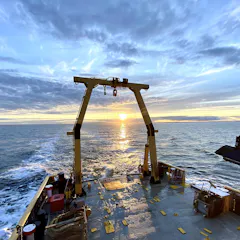
The waters of the St. Lawrence are running out of breath and bottom-dwelling organisms are already feeling the effects. Here’s how ecosystems are reacting.
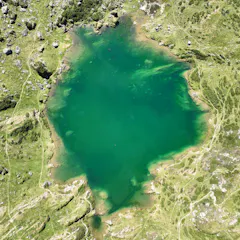
Many mountain lakes in the Pyrenees have turned green, a phenomenon that is a warning about the multiple pressures on ecosystems.
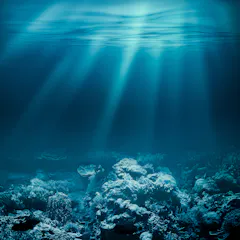
Marine heatwaves aren’t just on the surface. They can be at their most destructive when they sweep along the seafloor.

New research shows European lobsters are using the deposits of rocks and boulders at the base of wind turbines as shelter.
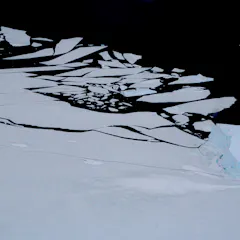
More trouble in Antarctica: the extent of frozen seawater fastened to the coast (called landfast ice) hit a record low in March 2022. If this trend persists, the consequences could be catastrophic.
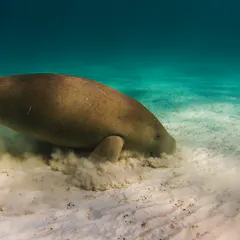
The world’s oceans are getting hotter, quicker. And our marine species are seeking cooler waters. Keep your eyes peeled and you might spot one of these species on the move.
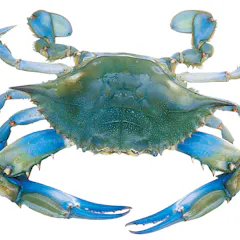
In different parts of the world evolution often comes up with the same or similar solutions to life’s problems.
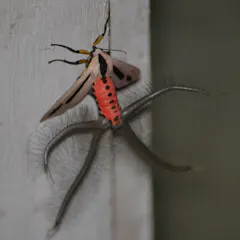
Invertebrates are the most abundant animals on our planet – and the vast majority are nothing to be afraid of, despite their appearances.

A mass die-off of crustaceans occurred on England’s north-east coast last autumn – the government’s explanation of the cause is unlikely to be true.

Spider crabs form huge underwater piles, some as tall as a person. These fascinating crustaceans are on a risky mission – to get bigger.

Octopus, crabs, prawns demonstrate clear signs of emotion, such as pain and ‘anxiety-like’ behaviour.

Deep ocean trenches are home to extraordinary biodiversity waiting to be discovered.
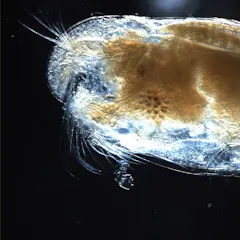
We discovered 11 (and probably more) new species of stygofauna living in water underground. These animals are usually blind, beautifully translucent and long-limbed.
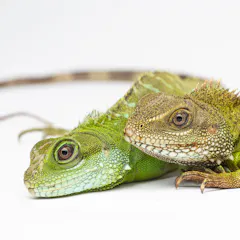
Parthenogenesis, a form of reproduction in which an egg develops into an embryo without being fertilized by sperm, might be more common than you realized.
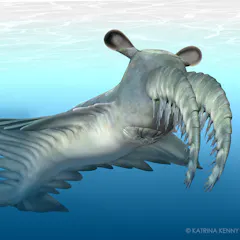
Our study on weird ancient marine animals called radiodonts supports the idea that vision played a crucial role during the Cambrian Explosion, a rapid burst of evolution about 500 million years ago.
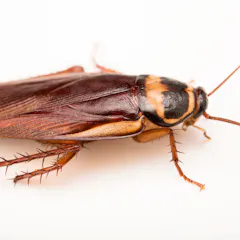
The reality TV show I’m a Celebrity, Get Me Out Of Here is under fire for using non-native insects while filming in the Welsh countryside.
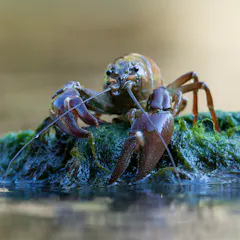
We found that signal crayfish traps tend to catch larger males, letting the bulk of the population go free.
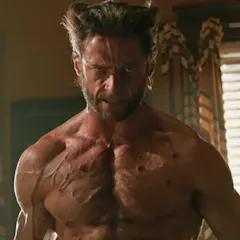
From a Hugh Jackman-esque spider to honouring traditional Indigenous words, these species have memorable names.
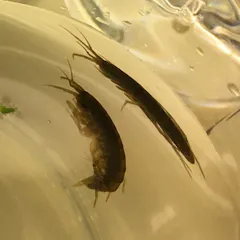
The discovery that such a common animal can rapidly produce vast numbers of nanoplastics is particularly worrying.
Top contributors
-

Associate Professor, Department of Ecology, Environment and Evolution, La Trobe University
-
Professor of Earth Sciences, University of New England
-
Associate Professor, Adelaide University ; South Australian Museum
-
Post-doctoral researcher in Palaeobiology, Flinders University
-
Professor of Biology and a marine plant biologist, University of Cape Town
-
Professor of Biological Sciences, University of Maryland, Baltimore County
-
Researcher at Research Center for Food Technology and Processing, Indonesian Institute of Sciences (LIPI)
-
Emeritus Professor at Research Center for Oceanography, Indonesian Institute of Sciences (LIPI)
-
Founding Professor of the Minderoo-UWA Deep-Sea Research centre, The University of Western Australia
-
Senior Research Scientist, CSIRO
-
Associate Professor, the Australian National Centre for Ocean Resources and Security, University of Wollongong
-
Adjunct associate, CSIRO
-
Research fellow in spider crab ecology, Deakin University
-
PhD Candidate in Freshwater Ecology, UCL
-
Lecturer in Aquaculture and Fisheries, Swansea University