
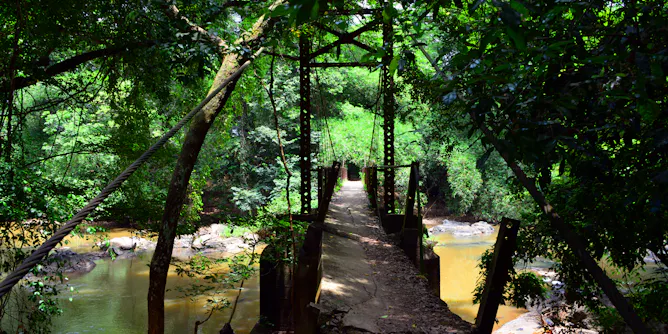
Population growth and attendant human activities are destroying a freshwater ecosystem.
Articles on Freshwater
Displaying 81 - 100 of 117 articles

Hundreds of thousands of lakes, rivers and streams in the Arctic exist only because of the permafrost that lies beneath them. The warming Arctic threatens to change that.
The Great Lakes contain reservoirs of legacy contaminants, mostly in their sediments, that are vulnerable to resuspension.
The salt in the sea has built up over billions of years – but it wouldn’t have got there without freshwater rivers and streams.
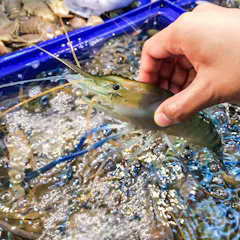
Entire populations of prawn ‘super-females’ are now being commercially distributed. The science behind this continues to advance and could have a far-reaching impact on both humans and animals.
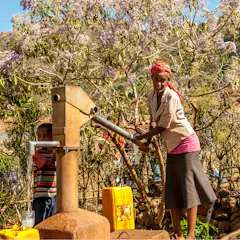
Good news – underground aquifers could be a reliable source of drinking water in sub-Saharan Africa even as the climate warms.
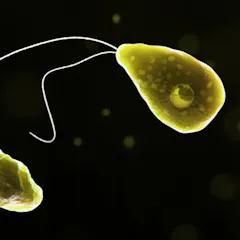
The brain-eating amoeba Naegleria fowleri kills 97% of its victims, and infections are almost impossible to diagnose quickly. Here is how it kills.
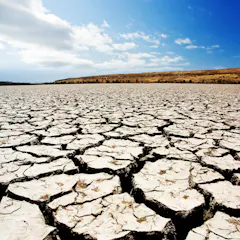
Freshwater fish are suffering as drought becomes more common and severe. Whether they survive will depend on how governments manage rivers and lakes, and on taking action against climate change.

Populations of freshwater species are in a state of deep decline. But we know why and we can reverse the trend.
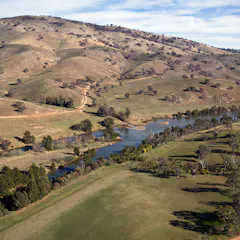
The Murray-Darling Basin Plan has been politically fraught and mired in scandal. But environmental monitoring suggests that the health of the rivers is indeed improving – even if it will take decades.
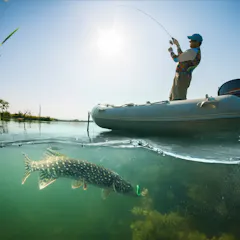
Ocean plastic has gained notoriety, but we’re starting to realize that microplastics pollute our freshwater and terrestrial ecosystems too.
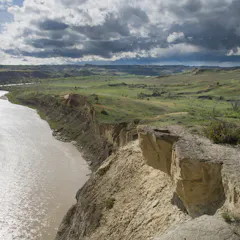
Recent research shows that US rivers are becoming saltier and more alkaline. Salt pollution threatens drinking water supplies and freshwater ecosystems, but there is no broad system for regulating it.
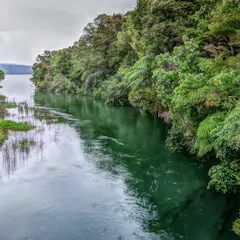
The ecological health of New Zealand’s lowland rivers and lakes is in decline, but principles borrowed from drinking water safety could help reverse the degradation.
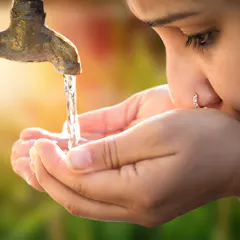
World Water Day shines a light on the importance of safe, clean drinking water, but a new report finds Canada’s freshwater systems are under stress.
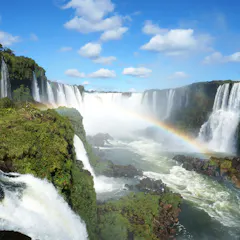
Water is one of our most precious resources, yet it’s in danger. World Water Day reminds us of the need to develop policies and governance to avoid squandering water.

The declared end of Flint, Mich., contaminated water crisis echoes similar claims worldwide. Evidence shows victims of past and ongoing water crises, especially Indigenous people, continue to suffer.
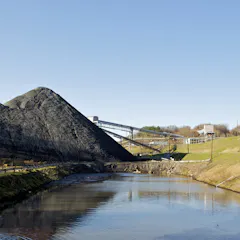
Adani’s controversial Carmichael coal mine in Queensland’s Galilee Basin has been granted an unlimited 60-year water licence. But a range of measures could help the industry use less freshwater.
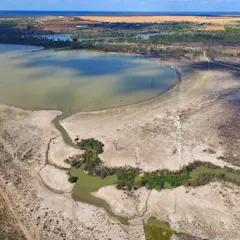
Tempers have flared once again over the long-term plan to return water to the Murray-Darling River and improve its health.

Floods are often seen as a force of destruction. But as river ecologists, we find it hard not to rejoice at the flooding.
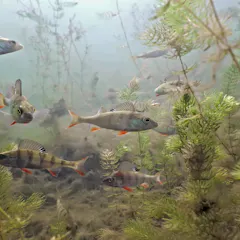
Scientists are pioneering a new way of monitoring water species, using techniques more familiar to fans of crime scene TV shows.
Top contributors
-

Professor, Obafemi Awolowo University
-
Canada Research Professor, Conservation Physiology, Carleton University
-
Beatrix Beisner is a Friend of The Conversation.
Professor, Aquatic ecology; Groupe de recherche interuniversitaire en limnologie (GRIL), Université du Québec à Montréal (UQAM)
-
Professor of Biology, McGill University
-
Morgan Foundation Senior Research Fellow in Freshwater Ecology and Environmental Science, Te Herenga Waka — Victoria University of Wellington
-
Professor of Hydrogeology, UCL
-
Professeur Écologie Aquatique, Université du Québec en Abitibi-Témiscamingue (UQAT)
-
Honorary Fellow in Environmental Sciences, Swansea University
-
Post-doctoral researcher, Charles Sturt University
-
Senior Lecturer and quantitative ecologist, The University of Melbourne
-
Distinguished Professor, Australian National University
-
Research fellow, Charles Sturt University
-
Conservation Planning Biologist, Wildlife Conservation Society Canada and Adjunct Professor of Conservation Biology, University of Saskatchewan
-
Deputy Director, Centre for Sustainable Aquatic Ecosystems, Harry Butler Institute, Murdoch University
-
Associate Professor in Ecology, Charles Sturt University