
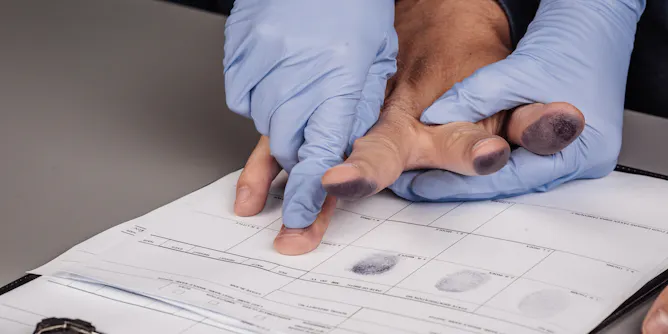
Fingerprinting is a valuable police tool for tracking down suspects, but it’s not perfect. However, we can reduce the risk of any mistaken identity if we work within the limits of fingerprinting.
Articles on Forensic science
Displaying 81 - 100 of 131 articles
DNA evidence has a profile which it might not deserve.
50 years after the Moors Murders, UK police are still hoping to find a missing body. And scientists are working hard to help.
We live in a probabilistic world. The courts need to catch up – and start training juries in statistics.
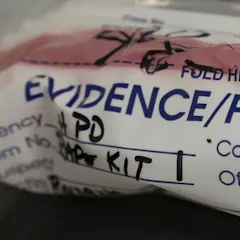
Forensics has a way to go before it’s a mature, academic science. Attorney General Jeff Sessions just terminated an independent commission charged with helping it get there.
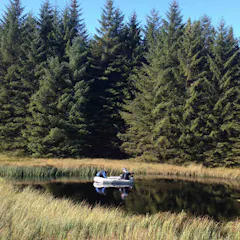
How does the police decide where to send dive teams to search for bodies? They ask scientists for advice.

Mathematicians make a splash with new theory that could lead to breakthroughs in 3D printing, climate science and forensics.

Scientific crime scene analysis is more popular in India’s pulp fiction than in real life investigations.
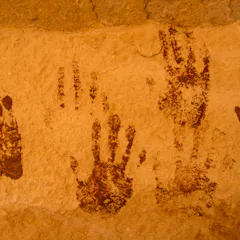
New ways of using forensic science in anthropology have been developed to advance our understanding of the past.
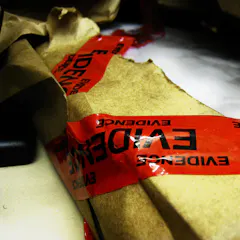
Is forensic science an oxymoron? A new White House report suggests there are major issues with many of the forensic disciplines used to convict defendants of crimes in the U.S.

Researchers have created a new kind of ‘drugalyser’ that’s less likely to give false positive readings.
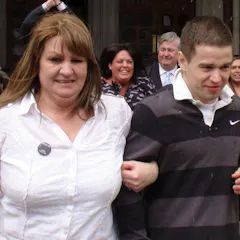
Your memory of an event can be manipulated – and miscarriages of justice can follow.
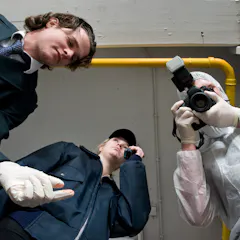
Microsoft Kinect’s cheap sensors could create low-cost 3D computer models of crime scenes.
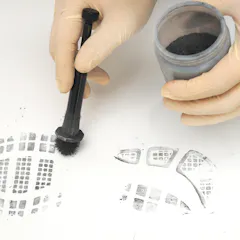
A US report has cast doubt on a range of techniques commonly used to secure criminal convictions, such as identification using bite marks, hair strands or footwear.

New plastic banknotes pose a challenge to forensic scientists that clever chemistry can solve.
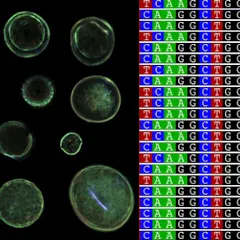
Pollen is all around us, is extremely durable and can provide clues about where someone’s been. A new genetic technique will make it easier to use pollen evidence in criminal investigations.

Using a robotic video camera to digitally recreate a crime scene could give juries greater insight without the logistical nightmare and potential bias of a physical visit.
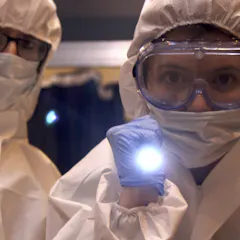
Forensic scientists should be encouraged to help detect patterns of behaviour in the incidents they investigate. This could lead to changes in the way some things are done and potentially save lives.
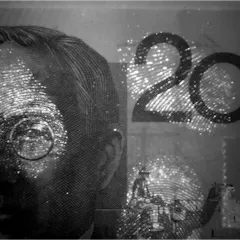
The ancient Egyptians knew a thing or two about how to produce a vibrant blue pigment for their tombs and coffins. Now it’s being used to help find fingerprints.
Forensic scientists are trained to disprove claims. This sort of thinking is useful when you’re trying to make sense of “miracle cures”, “wonder drugs” and other fantastic claims.
Top contributors
-

Associate Professor of Forensic Science, Murdoch University
-
Visiting Scholar, University of Wollongong in Dubai (UOWD), University of Wollongong
-
Adjunct Professor, Medical, Molecular & Forensic Sciences, Murdoch University
-
Professor of Forensic Sciences, School of Law and Policing, University of Lancashire
-
Professor in Biological Anthropology, Division of Clinical Anatomy and Biological Anthropology, University of Cape Town
-
Director of the Research Hub for Language in Forensic Evidence, The University of Melbourne
-
Professor of Forensic Science, University of Hull
-
Chancellor’s Postdoctoral Research Fellow, University of Technology Sydney
-
Professor of Archaeological Science, Flinders University
-
Lecturer, Business School & Centre for Policy Futures, The University of Queensland
-
Forensic Pathologist at Monash University and Deputy Director, Victorian Institute of Forensic Medicine
-
Assistant Professor, Northumbria University, Newcastle
-
Research fellow, The University of Queensland
-
Professor of Evidence Law, University of Sydney
-
Reader in Forensic Geoscience, Keele University