
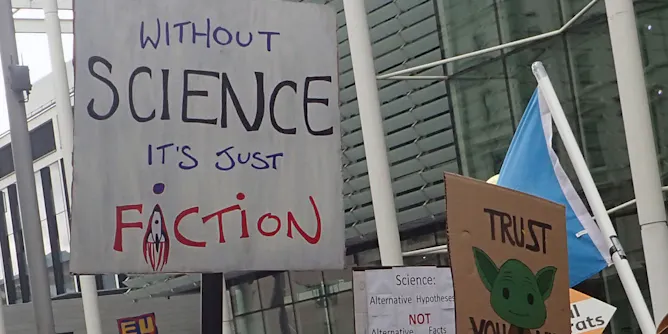
Science works through a process of revision. As consumers, we must learn how to evaluate how mature evidence is, and always remain flexible to new findings.
Articles on Evidence
Displaying 1 - 20 of 101 articles

When a chemist wrote a book about vitamin C curing the common cold, the world took note. How wrong we all were.
At the heart of combating misinformation is critical thinking and recognizing when you’re being spun for corporate profit.
The expansion of technologies has increased the documentation of violence. But it doesn’t always lead to justice since courts often exclude information gathered by families and communities.

The word misinformation is loaded, and overused. The difficulty of assessing evidence is partly to blame.
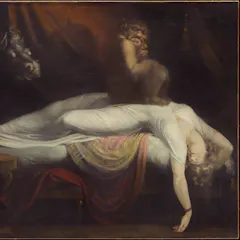
Conspiracy thinking, supernatural beliefs and pseudoscience can seem impervious to evidence. An anthropologist suggests the opposite: Extraordinary beliefs may be supported by an individual’s experience.

If you see a health claim that seems too good – or too bad – to be true, take a moment to step back and assess the evidence.

The main comparisons in the unpublished report are skewed, and it is being presented as stronger evidence than its design really allows.

These arguments sound convincing but lead to false or misleading conclusions. Here’s how to spot them.

Modern science emerged precisely to deal with the way everything can be manipulated – and scepticism over ‘facts’ goes all the way back to Socrates.
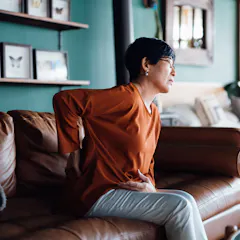
About one in four people have to go back to have corrective surgery after their implant, new research shows.
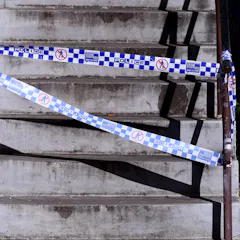
If you’ve only ever seen crime scenes on TV shows, the reality will likely surprise you.

A global new survey shows there’s no crisis of trust in scientists, as some might claim. But there are some nuances.

Courts face growing challenges in assessing digital evidence in international crime trials. A new guide aims to help judges verify online information.
Expert opinion is necessary as part of the justice system – but nobody is asking if the experts are fit for the task and if their evidence is reliable.
Conspiracy theories abound. What should you believe − and how can you tell?
Victims in the family court system are often forced to come face-to-face with their alleged attackers when giving evidence. A new bill aims to afford these victims more protection when testifying.
Many studies showing an impact of insomnia on the body are flawed or not meaningful in everyday life. But they can lead to scary headlines.
A critical race theory scholar explains why it’s problematic to use rap lyrics as evidence of a crime, and what some lawmakers are doing to protect artistic expression.

They’re heavily promoted. Your optometrist may even prescribe them. But when we looked at the evidence, this is what we found.
Top contributors
-

Professor: Evidence-Informed Decision-Making, University of Johannesburg
-
Senior researcher at the Africa Centre for Evidence, University of Johannesburg
-
Professor of Evidence Law, University of Sydney
-
University of Johannesburg
-
Senior Research Fellow, Africa Centre for Evidence and Stockholm Environment Institute, University of Johannesburg
-
Professor, Sydney School of Public Health, University of Sydney
-
Professor of Orthopaedic Surgery, UNSW
-
Director of the Research Hub for Language in Forensic Evidence, The University of Melbourne
-
Professor in Philosophy of Science, Durham University
-
Professor of Psychiatry, UNSW & Black Dog Institute, UNSW
-
Associate Professor, Physiotherapy, University of Sydney
-
Lecturer in Ecology, University of New England
-
Senior Lecturer, Department of Psychology, Aberystwyth University
-
Visiting Scholar, University of Wollongong in Dubai (UOWD), University of Wollongong
-
Senior Researcher, University of Johannesburg