
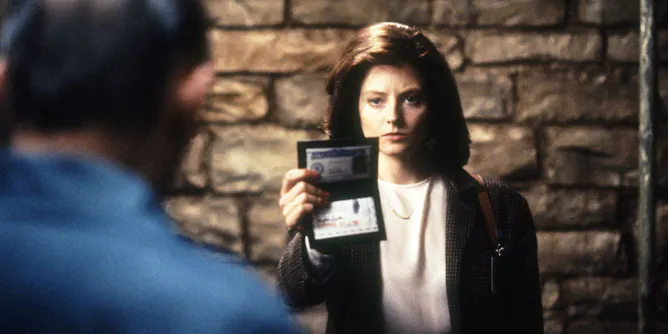
Forensic scientists would conduct the film’s infamous moth cocoon scene rather differently today.
Articles on Forensic entomology
Displaying all articles
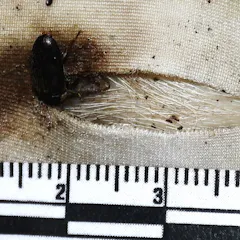
Fatal stabbings are the leading cause of homicide in countries with restricted access to firearms, including Australia. New research could help solve these cases.

Forensic entomologists analyse blowflies and cocoon cases to help solve crimes.

Maggots are misunderstood, and we should see past the “yuck” factor and appreciate what these unique organisms can do for us.
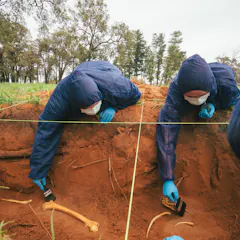
As a forensic scientist who has worked at thousands of homicide, sexual assault and serious crime scenes, I can tell you the process is not as straightforward as depicted on popular true crime shows.
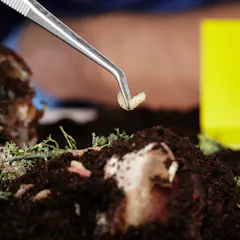
Trust Me, I’m An Expert: forensic entomology, or what bugs can tell police about when someone died
The Conversation, CC BY58.8 MB (download)
James Wallman is one of Australia's few forensic entomologists. It’s his job to unpack the tiny clues left behind by insects that can help police solve crimes.

‘This is going to affect how we determine time since death’: how studying body donors in the bush is changing forensic science
The Conversation, CC BY77.2 MB (download)
On the outskirts of Sydney, in a secret bushland location, lies what's officially known as the Australian Facility for Taphonomic Experimental Research. In books or movies, it'd be called a body farm.
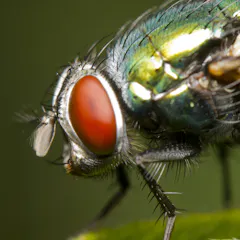
The presence of blow flies can help establish time of death in murder cases. A criminologist explains how she used her knowledge of blow flies to help overturn a wrongful conviction.

Germs on shoes and mobile phones are a good way of tracing criminal suspects, finds study.
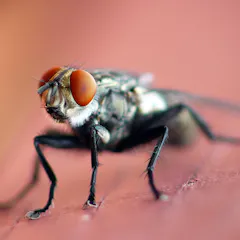
FORENSICS AUSTRALIA – Insects are everywhere. Their ubiquitous nature, and the fact they represent the largest biomass of animals on the earth, means there are hardly any terrestrial niches – except when…
Top contributors
-

Associate Professor of Forensic Science, Murdoch University
-
Adjunct Professor, Medical, Molecular & Forensic Sciences, Murdoch University
-
Chancellor’s Postdoctoral Research Fellow, University of Technology Sydney
-
Reader in Forensic Biology, University of Huddersfield
-
Professor of Criminology, Undergraduate Director, Simon Fraser University
-
Head of the School of Life Sciences, University of Technology Sydney
-
Professor of Forensic Sciences, School of Law and Policing, University of Lancashire
-
Senior Lecturer in Forensic Science, Murdoch University
-
PhD student, University of Technology Sydney
-
Associate Professor, Deakin University