
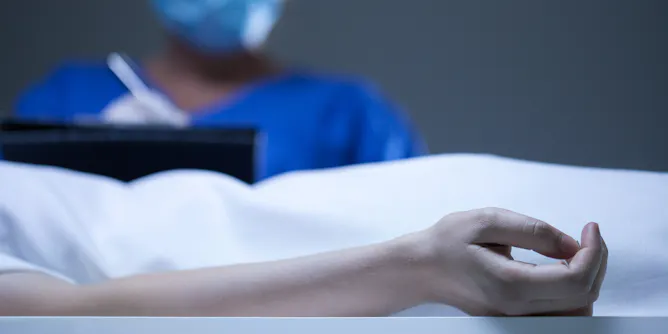
Through each step of the autopsy process, the dignity and respect of the deceased is prioritised by all involved.
Articles on Forensic evidence
Displaying 1 - 20 of 25 articles
The meanings we carry around in our heads seem so natural and inborn that we fail to realise other people can have quite different understandings.

Educating mock jurors about what kinds of statements are appropriate − or not − led to more critical assessments of forensic testimony and improved the quality of their decisions.
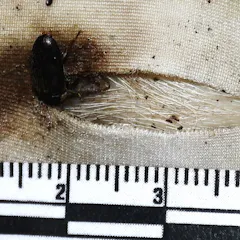
Fatal stabbings are the leading cause of homicide in countries with restricted access to firearms, including Australia. New research could help solve these cases.
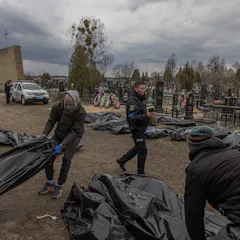
The grisly work of forensic investigators at the scene of a possible war crime.
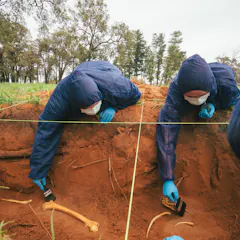
As a forensic scientist who has worked at thousands of homicide, sexual assault and serious crime scenes, I can tell you the process is not as straightforward as depicted on popular true crime shows.

Artificial intelligence could help police catch criminals – but we need human experts for the big cases.
No one knows exactly how AI-based DNA analysis software works, so it can’t be scrutinised in court.
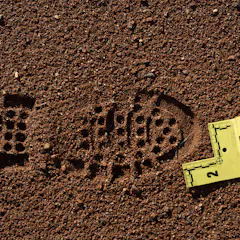
The debate about the reliability of forensic evidence reflects a lack of understanding of how forensic science is best used in the justice system, rather than a problem with forensic science itself.
What happens during a forensic medical examination? And if you’ve been sexually assaulted, what can you expect?

‘This is going to affect how we determine time since death’: how studying body donors in the bush is changing forensic science
The Conversation, CC BY77.2 MB (download)
On the outskirts of Sydney, in a secret bushland location, lies what's officially known as the Australian Facility for Taphonomic Experimental Research. In books or movies, it'd be called a body farm.
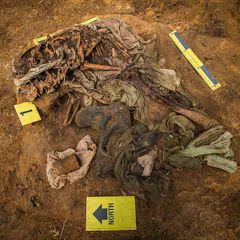
The Ixil people of Guatemala dream of the places where their dead, massacred during the country’s armed conflict might be located.
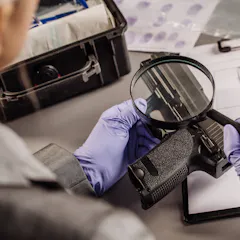
Lifting fingermarks from a crime scene often destroys the DNA they can contain.
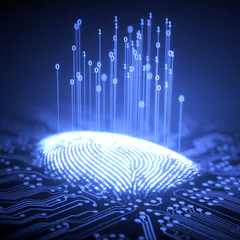
Research is increasingly proving fingerprints can be used for much more than identifying people.
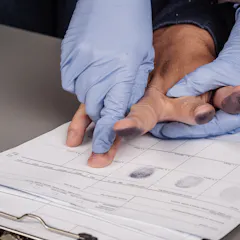
Fingerprinting is a valuable police tool for tracking down suspects, but it’s not perfect. However, we can reduce the risk of any mistaken identity if we work within the limits of fingerprinting.
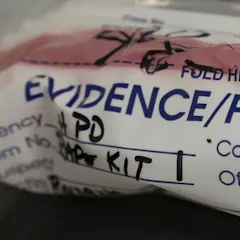
Forensics has a way to go before it’s a mature, academic science. Attorney General Jeff Sessions just terminated an independent commission charged with helping it get there.
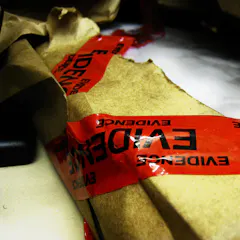
Is forensic science an oxymoron? A new White House report suggests there are major issues with many of the forensic disciplines used to convict defendants of crimes in the U.S.
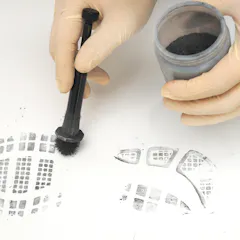
A US report has cast doubt on a range of techniques commonly used to secure criminal convictions, such as identification using bite marks, hair strands or footwear.

New plastic banknotes pose a challenge to forensic scientists that clever chemistry can solve.
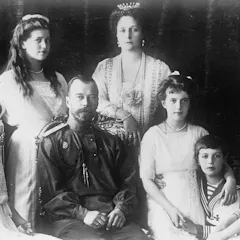
Bodies thought to belong to members of Russia’s murdered royal family are to be re-examined for new evidence but forensics has its potential and limitations.
Top contributors
-

Associate Professor of Forensic Science, University of Staffordshire
-
Professor Emeritus of Criminal Justice, University of Alabama at Birmingham
-
Centre director, University of Dundee
-
PhD student in computer science, Murdoch University
-
Director Leverhulme Research Centre for Forensic Science, University of Dundee
-
Dean, School of Law, Deakin University
-
Assistant Professor of Arab Crossroads Studies and Anthropology , NYU Abu Dhabi, chercheuse associée LESC, Université Paris Nanterre
-
Clinical Associate Professor and Forensic Physician, Department of Paediatrics, The University of Melbourne
-
Senior Lecturer, The University of Western Australia
-
Professor of Chemistry and Forensic and Investigative Science, West Virginia University
-
Reader, Loughborough University
-
Associate Dean for Academic Affairs and Professor of Law, Georgia State University
-
Honorary Senior Clinical Teaching Fellow, University of Leicester
-
Professor of Criminal Jurisprudence, University of Nottingham
-
Anthropologist, Stanford University