
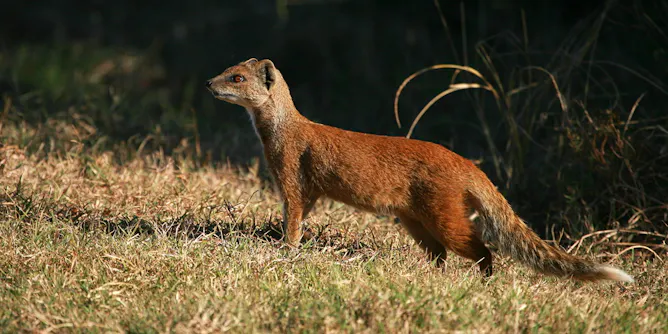
Scavengers play an important but often poorly understood role in how fast bodies decompose.
Articles on Forensic science
Displaying 61 - 80 of 131 articles
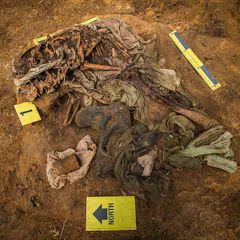
The Ixil people of Guatemala dream of the places where their dead, massacred during the country’s armed conflict might be located.
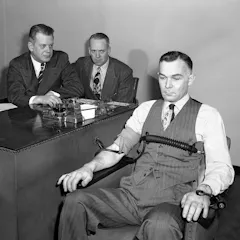
It would be great to know for sure when someone is lying and when someone is telling the truth. But no technology that purports to do so is foolproof.
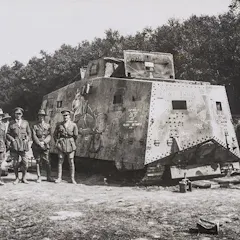
One hundred years after its capture from the battle fields of France, the last German battle tank of its kind is giving up its secrets to archeologists and forensic analysis.
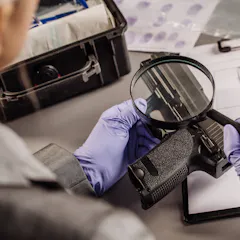
Lifting fingermarks from a crime scene often destroys the DNA they can contain.
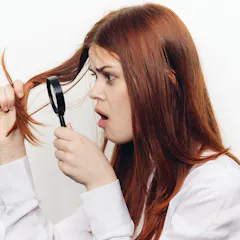
Your hair can reveal how much you drink, whether you smoke or take drugs, and perhaps even how stressed you are.
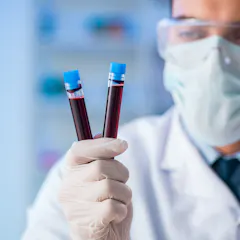
Your blood is red;
it’s never blue.
Because of hemoglobin;
and the view through tissue.
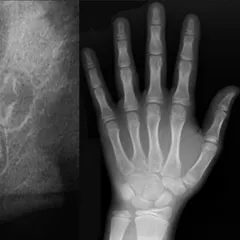
If an undocumented migrant is a minor or an adult can have far-reaching implications. A forensic anthropologist explains why relying solely on dental X-rays to determine age doesn’t work.
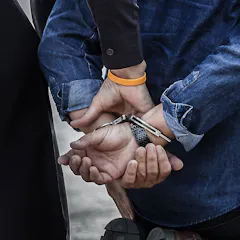
A bit of advice for any criminals inspired to try and edit their own genes – it’s unlikely to work, and it may present health risks.
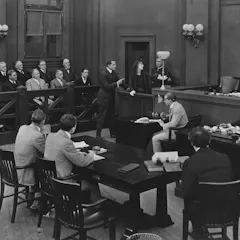
Not all false beliefs arise from malicious misinformation. Some legal precedents rest on the status of everyday ‘common knowledge’, since shown to be false, but embedded in our law nonetheless.
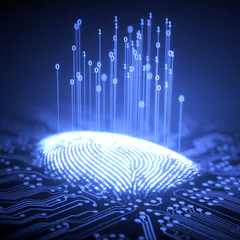
Research is increasingly proving fingerprints can be used for much more than identifying people.
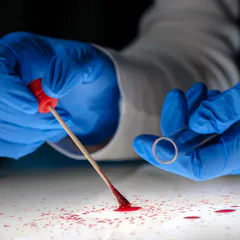
From genes to wounds, science is making it easier to establish the order of events in criminal cases.
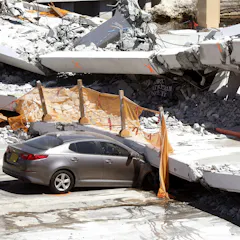
When structures collapse, what’s involved in finding out what really happened?
Insights and approaches drawn from anthropology could be a useful part of the toolkit for a cop trying to catch a killer.
Genetic research could help us produce new ways of diagnosing and treating depression and suicidal ideation – including a ‘death smell test’.

How can we find buried bodies? Ground penetrating radar is one solution - but it’s not always effective. Electrical resistivity tomography (ERT) offers a very sensitive alternative.
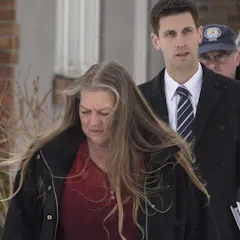
Police in Toronto say they’ve found the remains of at least six people in the midst of their investigation into alleged serial killer Bruce McArthur. Here’s what goes on in such investigations.

Wild chimpanzees are hard to find, but their DNA – left-behind genetic traces – are opening up a new way of studying them.
Applying actual science to forensic investigations can yield substantially different results from the findings of standard methods in the field.
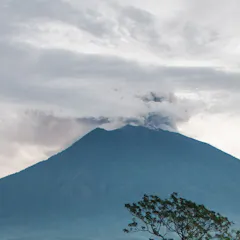
‘Volcano forensics’ involves a mixture of modern day monitoring and analysis of past eruptions. Geologists use volcanic rocks as a kind of time capsule to assess what happened previously.
Top contributors
-

Associate Professor of Forensic Science, Murdoch University
-
Visiting Scholar, University of Wollongong in Dubai (UOWD), University of Wollongong
-
Adjunct Professor, Medical, Molecular & Forensic Sciences, Murdoch University
-
Professor of Forensic Sciences, School of Law and Policing, University of Lancashire
-
Professor in Biological Anthropology, Division of Clinical Anatomy and Biological Anthropology, University of Cape Town
-
Director of the Research Hub for Language in Forensic Evidence, The University of Melbourne
-
Professor of Forensic Science, University of Hull
-
Chancellor’s Postdoctoral Research Fellow, University of Technology Sydney
-
Professor of Archaeological Science, Flinders University
-
Lecturer, Business School & Centre for Policy Futures, The University of Queensland
-
Forensic Pathologist at Monash University and Deputy Director, Victorian Institute of Forensic Medicine
-
Assistant Professor, Northumbria University, Newcastle
-
Research fellow, The University of Queensland
-
Professor of Evidence Law, University of Sydney
-
Reader in Forensic Geoscience, Keele University