
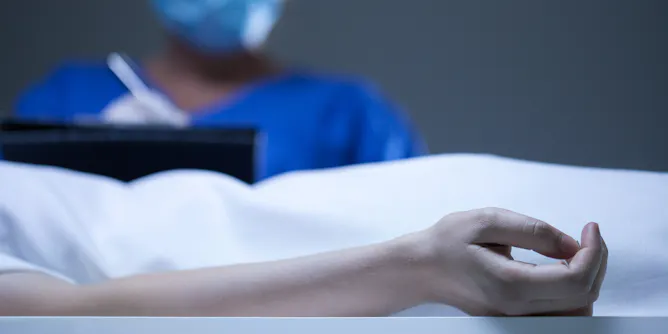
Through each step of the autopsy process, the dignity and respect of the deceased is prioritised by all involved.
Articles on Modern forensics
Displaying all articles

Human memory doesn’t work like a video camera, simply recording a scene as it happens. But researchers know how to help children recall information accurately.
We’re searching for ways to use recovered bones and teeth to better understand time spent in the sea, and the overall journey of the mortal remains.
As a forensic scientist who has worked at thousands of homicide, sexual assault and serious crime scenes, I can tell you the process is not as straightforward as depicted on popular true crime shows.
Trust Me, I’m An Expert: forensic entomology, or what bugs can tell police about when someone died
The Conversation, CC BY58.8 MB (download)
James Wallman is one of Australia's few forensic entomologists. It’s his job to unpack the tiny clues left behind by insects that can help police solve crimes.

‘This is going to affect how we determine time since death’: how studying body donors in the bush is changing forensic science
The Conversation, CC BY77.2 MB (download)
On the outskirts of Sydney, in a secret bushland location, lies what's officially known as the Australian Facility for Taphonomic Experimental Research. In books or movies, it'd be called a body farm.
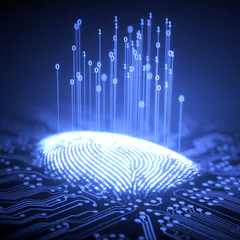
Research is increasingly proving fingerprints can be used for much more than identifying people.
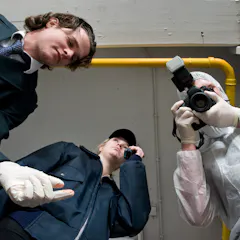
Microsoft Kinect’s cheap sensors could create low-cost 3D computer models of crime scenes.
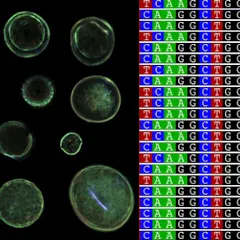
Pollen is all around us, is extremely durable and can provide clues about where someone’s been. A new genetic technique will make it easier to use pollen evidence in criminal investigations.
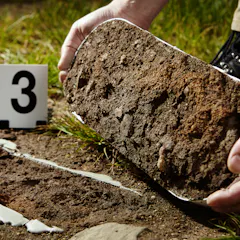
A new technique could help the police identify more criminals from just their footprints.
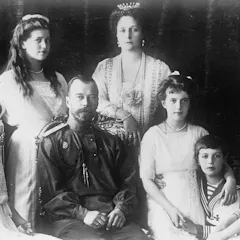
Bodies thought to belong to members of Russia’s murdered royal family are to be re-examined for new evidence but forensics has its potential and limitations.

Forensics is changing in the digital age, and the legal system is still catching up in terms of how it uses digital evidence.
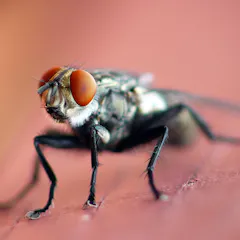
FORENSICS AUSTRALIA – Insects are everywhere. Their ubiquitous nature, and the fact they represent the largest biomass of animals on the earth, means there are hardly any terrestrial niches – except when…
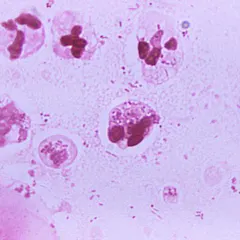
FORENSICS AUSTRALIA – Thanks to television crime shows and crime novels many people are now familiar with the use of DNA as forensic evidence in criminal cases. In these scenarios, DNA profiles are based…
Top contributors
-

Chancellor’s Postdoctoral Research Fellow, University of Technology Sydney
-
Associate professor Forensic DNA and Microbiology Group, The University of Western Australia
-
Associate Professor of Environmental Sciences, Emory University
-
Assistant Professor, Northumbria University, Newcastle
-
Honorary Senior Clinical Teaching Fellow, University of Leicester
-
Lecturer, CSIRO joint appointment, The University of Western Australia
-
Associate Professor of Biology, Columbus State University
-
Adjunct Professor, Medical, Molecular & Forensic Sciences, Murdoch University
-
Associate Professor of Physics, University of Nottingham
-
Senior Lecturer - Forensic Anthropology, Western Sydney University
-
Head of the School of Life Sciences, University of Technology Sydney
-
Adjunct Lecturer in Forensic Sciences, Murdoch University
-
Lecturer in Psychology, Clemson University
-
Senior Lecturer in Forensic Science, Murdoch University
-
Associate Professor of Forensic Science, Murdoch University