
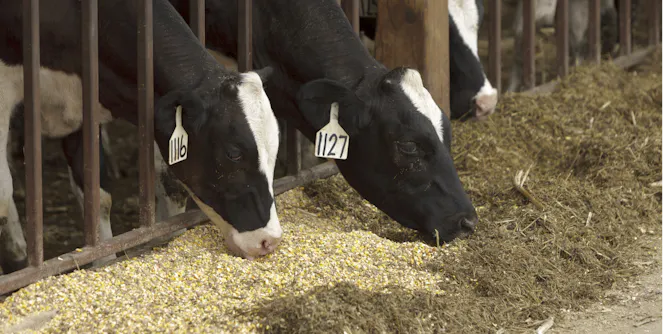
Feeding insects instead of grain to animals is an inexpensive, sustainable way to increase the world food supply. An animal scientist explains what’s involved in developing insect feed for cattle.
Articles on Food security
Displaying 161 - 180 of 550 articles
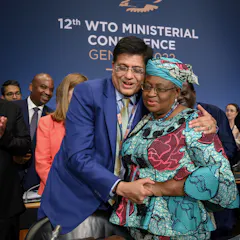
Meeting for the first time since 2017, the WTO’s highest decision-making body managed to agree on some things – including its first treaty with environmental protection as the objective.

Puerto Rico’s tourism industry is booming as nations lift COVID-19 travel restrictions, but development is displacing people who have lived along its coastlines for years.
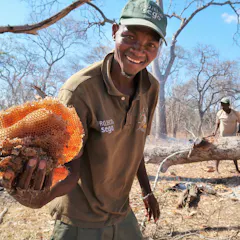
Cooperating with honeyguides has been found to increase food security. It facilitates cultural traditions and enables income or trade.
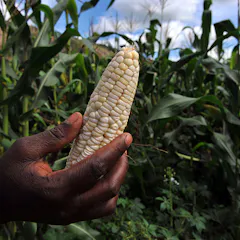
If small-scale farmers can’t afford to grow certified seeds – or can’t find them – food shortages would follow.

The herbicide revolution reduces the availability of edible weeds, which may undermine food and nutrition security.
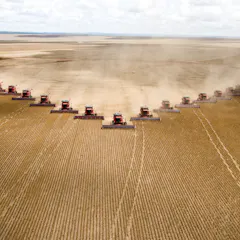
A new study finds that by 2030, less than one-third of the world’s major crop harvests will go directly to feed people.
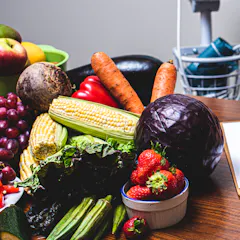
Food security is crucial to disease prevention and management, so prescribing healthy foods and reducing barriers to better diets makes sense. But food prescriptions should not be immune to scrutiny.
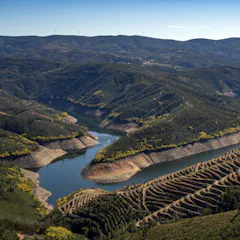
If the world overshoots its climate targets, drought could cause dryland areas to expand by a quarter and encompass half the Earth’s land area, threatening lives and livelihoods.
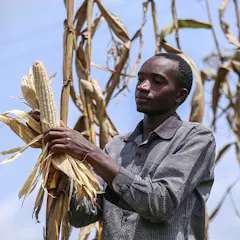
Stricter measures had major impacts on farmers’ livelihoods and food security.
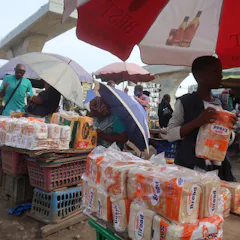
In the face of rising food prices in Nigeria, many salary earners have had to change the quality of foodstuff they buy or opt for cheaper alternatives.
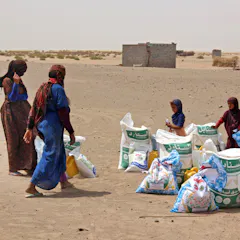
Grain and fertilizer shortages, higher shipping costs and a strong dollar are all pushing food prices up and increasing hunger in dozens of vulnerable countries.
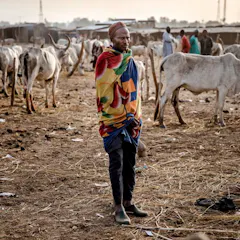
Under certain conditions, climate can amplify security risks, with implications for lasting peace.
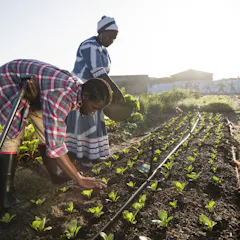
South Africa needs a more holistic approach to farming systems.
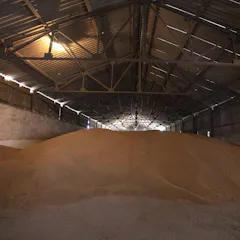
Environmental catastrophe, war, a worldwide pandemic. What does this mean for feeding the world today and in the future?
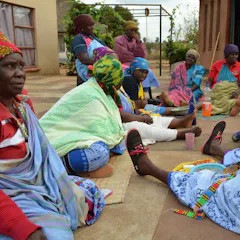
Crisis is a given for resource-poor households globally, but — in the absence of supportive policies — so are these careful strategies of self-provisioning and mutual aid.

Grocers must find a way to add value and affordability for consumers.

Rising food prices points to famine later this year in Ukraine and elsewhere – here’s what we can learn from the past.
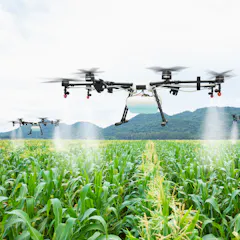
Artificial intelligence is at the forefront of the fourth agricultural revolution. Here are some of the risks we need to be aware of when it comes to agricultural AI – and how to lessen them.
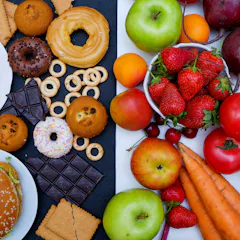
Ultra-processed foods that contributed the most dietary energy for Aussies included ready-made meals, fast food, pastries, buns, cakes, breakfast cereals, fruit drinks, iced tea and confectionery.
Top contributors
-

Senior Fellow, Department of Agricultural Economics, Stellenbosch University
-
Associate Professor in Food Systems, The University of Melbourne
-
Research Fellow, Tegemeo Institute, Egerton University
-
Associate Professor, Department of Entomology; African-American Studies, University of Illinois Urbana-Champaign
-
PhD, Political Economy, Macquarie University
-
Professor of Food Policy, City St George's, University of London
-
Researcher in sustainable food systems, The University of Melbourne
-
Director of the Arrell Food Institute and Professor in the Dept. of Geography, Environment and Geomatics, University of Guelph
-
Network and Research Manager: ARUA – UKRI GCRF FSNet Africa, University of Pretoria
-
Professor in Food Security; Head of the Department of Agricultural Economics, Extension and Rural Development, University of Pretoria
-
Emeritus Fellow in Plant Biochemistry, University of Westminster
-
Professor of Social Development Studies, University of Johannesburg
-
Food Systems Research and Partnerships, The University of Melbourne
-
Adjunct Professor, Curtin Business School, Curtin University
-
Climate Scientist and Researcher, University of Cape Town