
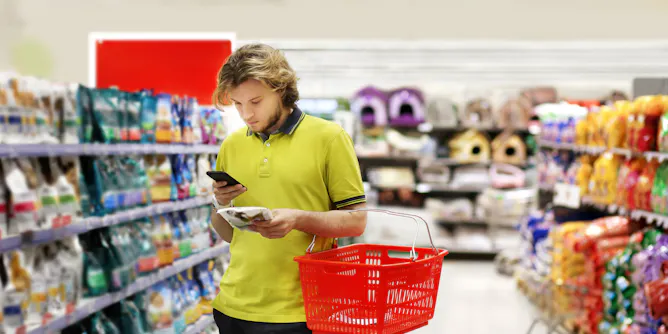
Food insecurity is a social justice issue tied to social determinants of health. Historically marginalized people like 2SLGBTQ+ youth are at risk, and more likely to be food insecure during COVID-19.
Articles on Food security
Displaying 141 - 160 of 550 articles
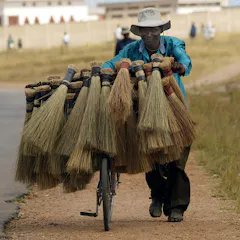
Skills training in Zimbabwe excludes students from poor backgrounds. The informal sector should be used as a training ground for them.
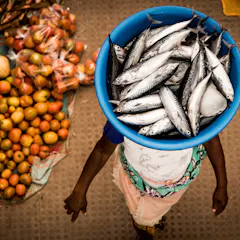
The ability of West Africa’s fisher women to cope or adapt in times of adversity should not let policymakers off the hook.

The emission reduction targets outlined for Canadian fertilizer use will not lead to food shortages and food insecurity.
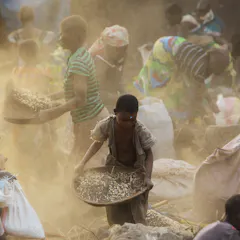
Food insecurity is increasing in Australia and around the world with women most affected.
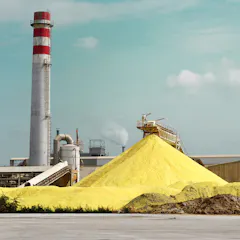
A key ingredient for a green future is currently derived from fossil fuels.

CC BY-NC-ND12.5 MB (download)
People in South Africa felt anxious and stressed during the COVID-19 lockdown.

Nuclear war would trigger a global food crisis lasting at least a decade, in which hundreds of millions or more would be likely to starve.
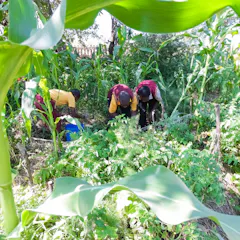
Removing a pre-existing right like cancelling the school nutrition programme is a retrogressive measure, and should only be done under very specific circumstances.
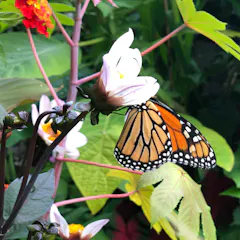
Gardens require huge labour, and outcomes like health, well-being or food security are affected by systemic barriers people face in cities and schools.
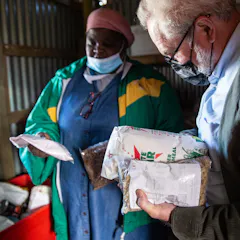
A ‘learning journey’ research process exposed a broad group of participants to local realities of the food system and childcare in a small town.
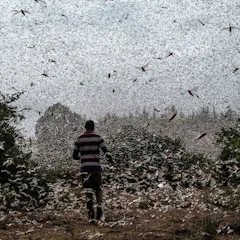
Trade regulation by rich countries against pests and disease is gradually making its way into the less developed nations. On top of safer foods, new research shows this could also bring sustainable growth.
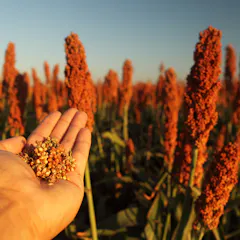
Known as ting or amazimba, indigenous sorghum is resilient and rich in cultural and health benefits – yet crops are declining.
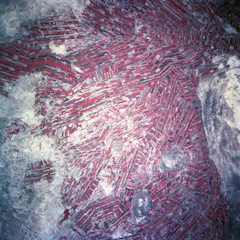
Technologies being developed for growing food in space have contributed to advances in agriculture and crops on Earth.
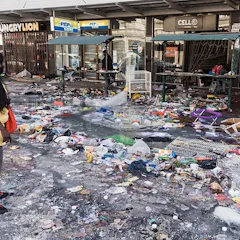
South Africa needs a multi-pronged strategy for building peaceful, sustainable neighbourhoods, communities, and a nation where the rule of law prevails.

Publicly accessible gardens are an essential part of our food system. It’s important for policymakers to understand that growing food in city gardens is central to health, food security and culture.

Getting enough iron is tricky – even if we eat enough, we might not absorb enough. But diversifying the menu and looking for fortified foods can help.
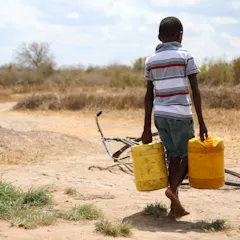
Counties have better knowledge of the impact of food insecurity on households but lack the will and capacity to tackle it.
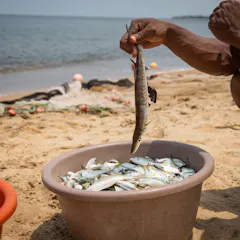
There is a need for better innovations and policies to help improve the fisheries sector in this region.
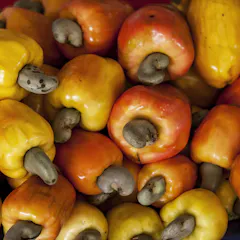
Nigeria can save money spent importing citric acid by producing it from cashew waste.
Top contributors
-

Senior Fellow, Department of Agricultural Economics, Stellenbosch University
-
Associate Professor in Food Systems, The University of Melbourne
-
Research Fellow, Tegemeo Institute, Egerton University
-
Associate Professor, Department of Entomology; African-American Studies, University of Illinois Urbana-Champaign
-
PhD, Political Economy, Macquarie University
-
Professor of Food Policy, City St George's, University of London
-
Researcher in sustainable food systems, The University of Melbourne
-
Director of the Arrell Food Institute and Professor in the Dept. of Geography, Environment and Geomatics, University of Guelph
-
Network and Research Manager: ARUA – UKRI GCRF FSNet Africa, University of Pretoria
-
Professor in Food Security; Head of the Department of Agricultural Economics, Extension and Rural Development, University of Pretoria
-
Emeritus Fellow in Plant Biochemistry, University of Westminster
-
Professor of Social Development Studies, University of Johannesburg
-
Food Systems Research and Partnerships, The University of Melbourne
-
Adjunct Professor, Curtin Business School, Curtin University
-
Climate Scientist and Researcher, University of Cape Town