
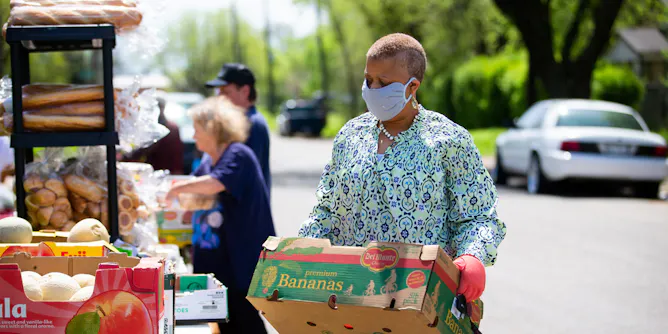
COVID has exposed how vulnerable Australia’s food charities are in times of crisis. But we can prepare for the next disaster.
Articles on Food security
Displaying 221 - 240 of 551 articles
As the global South transitions to a predominantly urban future, food offers a way to understand the role of cities in future development.
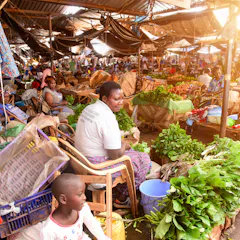
When it comes to food safety solutions, models which enforce bans and regulations don’t fit.
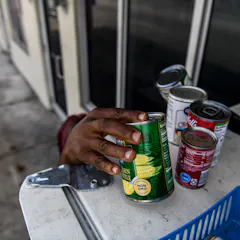
Formerly incarcerated Americans face food insecurity rates double that of the general population. A 1996 law that prohibits drug felons from getting crucial benefits may be partially to blame.
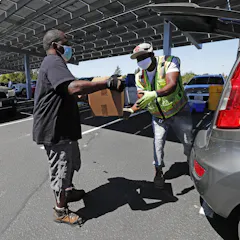
This is a transcript of episode 16 of The Conversation Weekly podcast The racial hunger gap in American cities and what do about it. In this episode, we look at some of the reasons behind racial disparities…
Plus, the discovery of the first known burial in Africa. Listen to episode 16 of The Conversation Weekly.
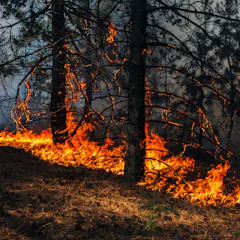
A future of heat and strife or humanity’s finest hour – our response to climate change today will define the 21st century.
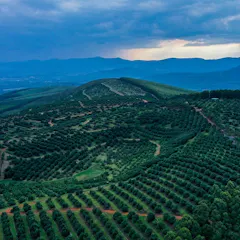
Government support for farmers, higher rainfall and grain imports have helped sub-Saharan Africa stave off food insecurity, but the region isn’t out of the woods yet.
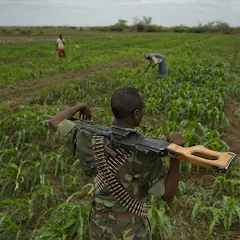
For decades Somalia has been in a near-constant state of food insecurity. This is due to a combination of stagnant crop production, a rapidly increasing population and political unrest.
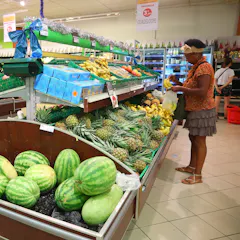
Debt relief would improve Caribbean states’ response to global crises.
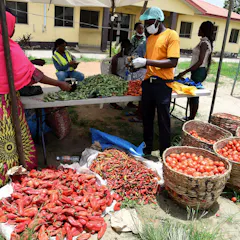
To overcome food insecurity, especially in a pandemic, Nigeria’s emergency preparedness requires a total overhaul of it’s agri-food supply chain.
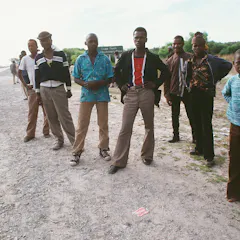
Relying solely on job placement as an indicator of successful intervention misses out on outcomes that are equally important, or more so, amid high structural unemployment.

New research shows both adults and kids are eating more nutritious food. But minorities and low-income populations still lag behind the rest.
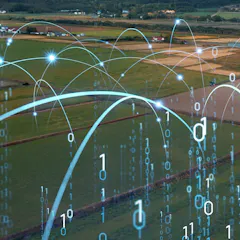
The ongoing coronavirus pandemic has further destabilized global food chains supplies. Technological innovations like blockchain can help address these challenges.
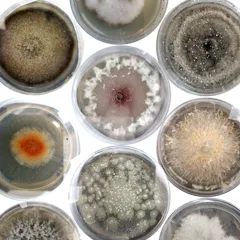
The idea that seed banks must be full of potentially helpful microfungi inside seeds was not a stretch, and yet no one had ever looked before.
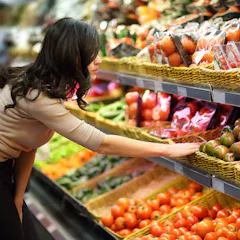
Food insecurity affected many students even before the pandemic hit, with international students the worst hit. But students and universities have shown a lot can be done to end the problem.
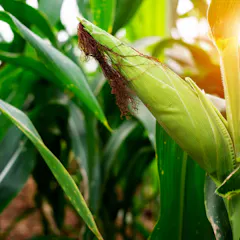
Large-scale droughts can have cascading impacts on food security. They can reduce yield, increase food prices, trigger changes in consumption and lead to unstable supply.
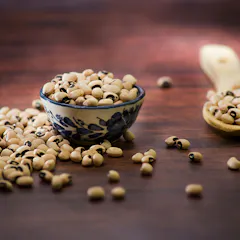
Indigenous foods such as cowpeas can improve people’s nutrition and help them cope with the hunger brought about by the effects of COVID-19 on foreign food imports.
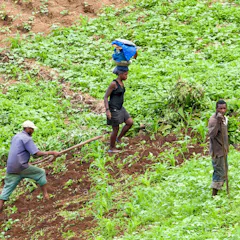
Indigenous beans could enhance food security in Cabo Verde which depends on food imports.
It’s possible to feed the world’s 7.8 billion people with more environmentally friendly farming practices. Here’s how.
Top contributors
-

Senior Fellow, Department of Agricultural Economics, Stellenbosch University
-
Associate Professor in Food Systems, The University of Melbourne
-
Research Fellow, Tegemeo Institute, Egerton University
-
Associate Professor, Department of Entomology; African-American Studies, University of Illinois Urbana-Champaign
-
PhD, Political Economy, Macquarie University
-
Professor of Food Policy, City St George's, University of London
-
Researcher in sustainable food systems, The University of Melbourne
-
Director of the Arrell Food Institute and Professor in the Dept. of Geography, Environment and Geomatics, University of Guelph
-
Network and Research Manager: ARUA – UKRI GCRF FSNet Africa, University of Pretoria
-
Professor in Food Security; Head of the Department of Agricultural Economics, Extension and Rural Development, University of Pretoria
-
Emeritus Fellow in Plant Biochemistry, University of Westminster
-
Professor of Social Development Studies, University of Johannesburg
-
Food Systems Research and Partnerships, The University of Melbourne
-
Adjunct Professor, Curtin Business School, Curtin University
-
Climate Scientist and Researcher, University of Cape Town