
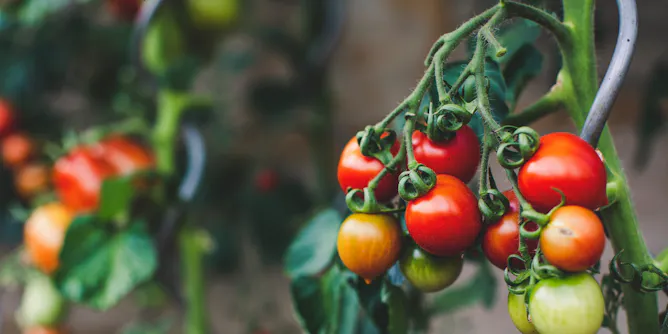
The COVID-19 pandemic has highlighted the problem of food insecurity for many people, especially racialized and Indigenous households.
Articles on Food security
Displaying 201 - 220 of 551 articles
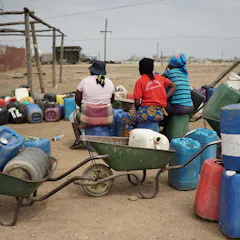
The provision of better health services and social grants has aided rural women’s progress in South Africa, but there are still tremendous needs to be met.
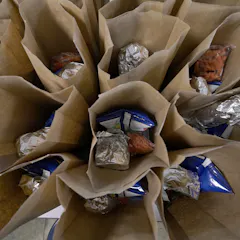
A recent survey finds that the pandemic made it harder for many US households to put food on the table. It also changed the ways in which people buy and store food.
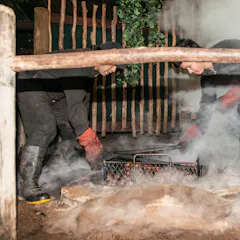
Many Indigenous people in Australia and Aotearoa New Zealand are lacking food security due to public health orders preventing them from traditional food sourcing.
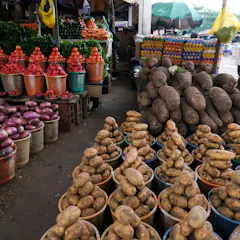
Nigeria’s post COVID-19 economic recovery plan has resulted in only marginal improvements in economic growth, manufacturing and foreign direct investment.
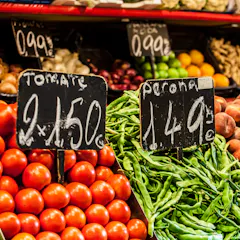
Extreme weather is already having an influence on global food prices.
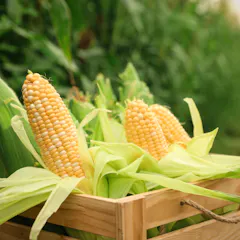
Zimbabwe’s 2021 bumper harvest is a welcome development but, it’s important to know what’s behind this success and what challenges remain.
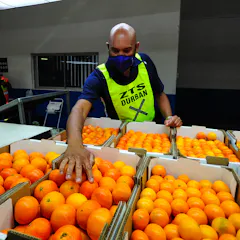
To rebuild lost credibility, the South African government can start by listening to social partners and the business sector and implementing less financially costly policies
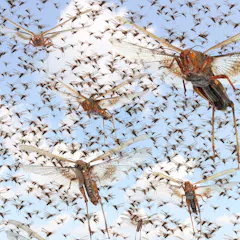
Every increase in one degree of global warming will increase losses of crops to insects from 10% to 25%.
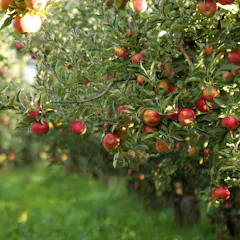
Apple breeders have created crisp, juicy and tasty fruits, but the limited varieties leave crops vulnerable to diseases, pests and climate change. Introducing new traits could improve crop resilience.
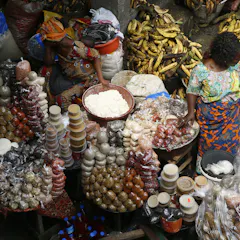
Globally, experts are beginning to recognise that focusing on one aspect of food overlooks the trade-offs or sacrifices people make.
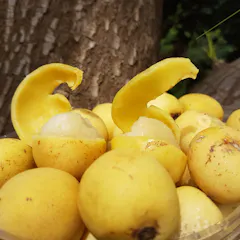
Wider acceptance of indigenous plants could help reduce over-reliance on exotic food varieties.
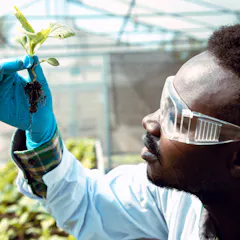
Stronger agricultural R&D systems will enable agriculture to power Africa’s transformation.
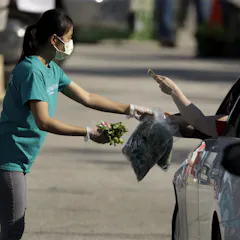
Farmers markets aren’t just for yuppies – they are increasingly serving customers at all social and economic levels, especially during the COVID-19 pandemic.

As the climate changes, the ocean is also changing. And that’s putting our health at risk.
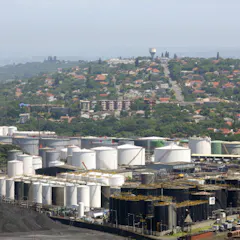
South Africans should not panic about the food system. But authorities will need to act swiftly and assertively to restore stability.
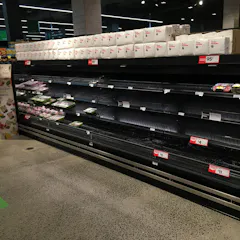
Since COVID hit, many Australians have seen first-hand what shocks to the food system can do.
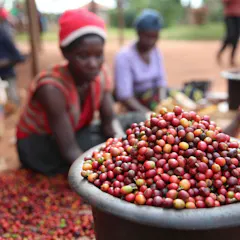
Kenya needs to address spending inefficiencies to attain the goals outlined in the budget.
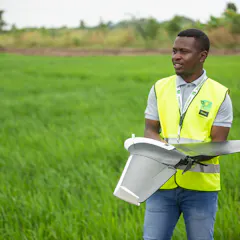
Realities on the ground tell a different story from the claim that a Green Revolution ensures food security and increased income for smallholder farmers in Ghana.
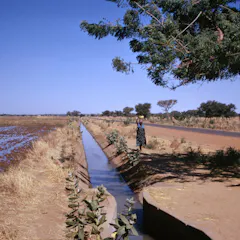
African governments risk repeating mistakes of the 20th century with damaging consequences for poverty, food security and economic development.
Top contributors
-

Senior Fellow, Department of Agricultural Economics, Stellenbosch University
-
Associate Professor in Food Systems, The University of Melbourne
-
Research Fellow, Tegemeo Institute, Egerton University
-
Associate Professor, Department of Entomology; African-American Studies, University of Illinois Urbana-Champaign
-
PhD, Political Economy, Macquarie University
-
Professor of Food Policy, City St George's, University of London
-
Researcher in sustainable food systems, The University of Melbourne
-
Director of the Arrell Food Institute and Professor in the Dept. of Geography, Environment and Geomatics, University of Guelph
-
Network and Research Manager: ARUA – UKRI GCRF FSNet Africa, University of Pretoria
-
Professor in Food Security; Head of the Department of Agricultural Economics, Extension and Rural Development, University of Pretoria
-
Emeritus Fellow in Plant Biochemistry, University of Westminster
-
Professor of Social Development Studies, University of Johannesburg
-
Food Systems Research and Partnerships, The University of Melbourne
-
Adjunct Professor, Curtin Business School, Curtin University
-
Climate Scientist and Researcher, University of Cape Town