
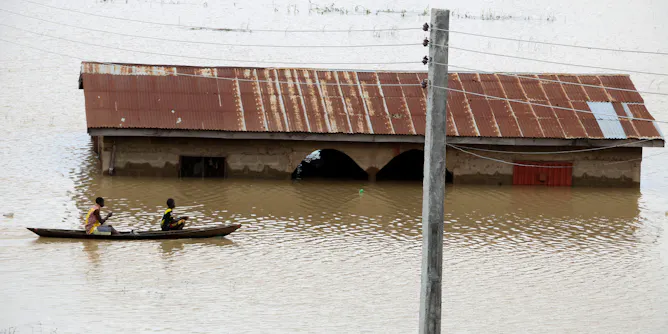
Nigeria must adopt a multi-pronged approach to address its flooding menace and minimise the effects.
Articles on Flood risk
Displaying 41 - 60 of 72 articles
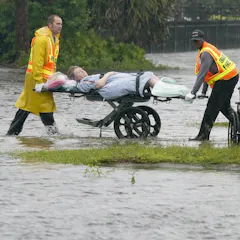
Coastal hospitals are still at high risk, nearly two decades after Hurricane Katrina’s flood disaster at Memorial Medical Center shocked the world.
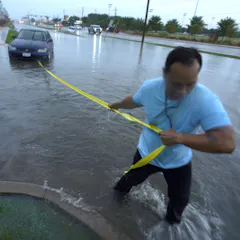
Flood risks are rising as the climate warms. The risks are complex, as a levee or new roadway in one place can worsen flooding somewhere else.

Catchments are full. Dams are at capacity, soils are saturated and rivers are high. In some cases, there’s nowhere for the rains to go except over land.
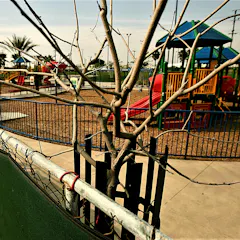
Climate change is colliding with old factory sites where soil or water contamination still exist, and the most vulnerable populations are particularly at risk.

Telling people they have a flood risk rating of 10 is less powerful than explaining how much they’re likely to pay to deal with flooding over the next five years.
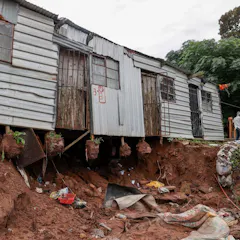
A quarter of South Africans in cities are living in informal settlements.
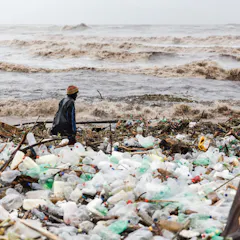
Flooding is arguably even more problematic in informal settlements because of the lack of planning.

We asked 680 Florida real estate agents what they’re seeing in the market. Here’s what they said.

Residents and businesses are considering leaving Lismore for good. The town is now on the brink.

Are we setting up individuals and families for ruin by allowing them to build back in areas where they can’t afford insurance? And should taxpayers bear the huge costs of future rescues and relief?
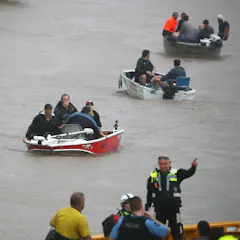
Thinking carefully about people’s health during and after disaster is crucial to building disaster resilience. Ensuring access to medicines is a core part of that goal.
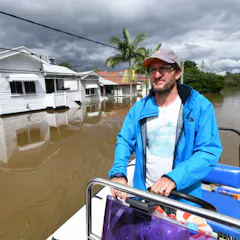
As history shows, many natural and human factors determine how water will behave during a flood.
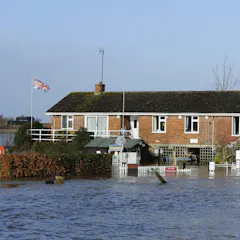
Six things you can do to help keep you and your home safe.
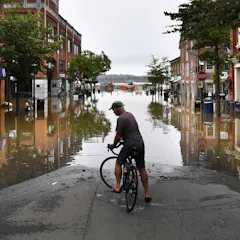
A sea level scientist explains the two main ways climate change is threatening the coasts.
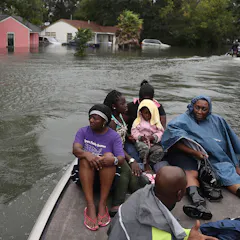
A street-by-street analysis shows where the risks are rising fastest and also lays bare the inequities of who has to endure America’s crippling flood problem.
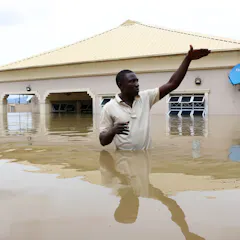
Institutional failures, infrastructure, socio-economic challenges and disaster education influence Nigerian cities’ vulnerability to flood disaster.
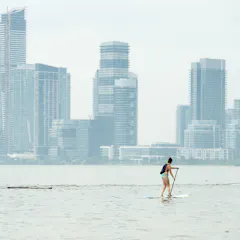
Shoreline communities are already faltering under the weight of billions of dollars in damages — and worrying that climate change will continue to make things even worse.
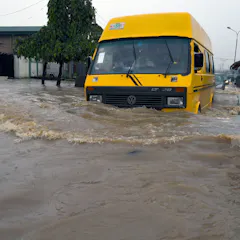
Flooding constitutes a threat to Nigeria achieving the global sustainable development goals.
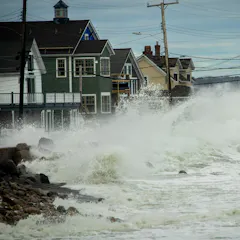
The IPCC report has laid out some alarming sea level projections for the future. But the relationship between sea level rise and real-world risk is complex.
Top contributors
-

Professor of Sociology, Rice University
-
Associate Professor, Macquarie University
-
Postdoctoral Research Fellow in Atmospheric Sciences, The University of Melbourne
-
Professor of Quantitative Methods in the Social Sciences, City University of New York
-
Senior Research Associate, Institute for Environment and Human Security (UNU-EHS), United Nations University
-
Professor of Anthropology, Rice University
-
Researcher, Queen's University, Ontario
-
Professor Emeritus of Climate and Space Sciences and Engineering, University of Michigan
-
Honorary Senior Research Fellow at the University of Sydney, Honorary Adjunct Research Fellow, Western Sydney University
-
Lecturer, Monash University
-
Regius Professor of Meteorology and Climate Science, University of Reading
-
Senior Spatial Research Analyst, Kinder Institute for Urban Research, Rice University
-
Assistant Professor of Civil, Construction and Environmental Engineering, Iowa State University
-
Associate Professor of Political Science, University of Waterloo
-
Research Officer in Environment and Planning, Te Kunenga ki Pūrehuroa – Massey University