
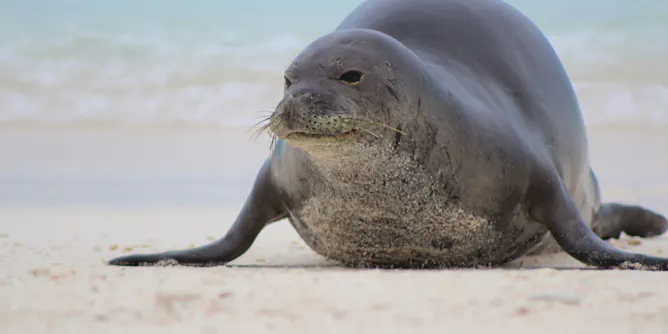
The Papahānaumokuākea Marine National Monument is huge win for preservation, but it also poses outsized management challenges for the National Park Service.
Articles on Fishing
Displaying 241 - 260 of 291 articles
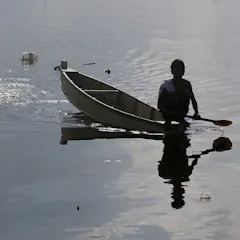
The South China Sea produces more than 10% of the world’s fish – but the catch is increasingly under threat.

How do you choose local produce when buying fish, which is caught in vast oceans by a globalised industry? Answer: with great difficulty.
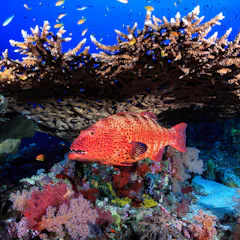
Not all of the world’s coral reefs are in dire straits. Reef fisheries tend to do better in areas with strong ownership rights, and where people are closely involved in managing their local reefs.

Australia and China both have a keen interest in the frozen continent. And while they don’t agree on everything, there is great scope for scientific collaboration.
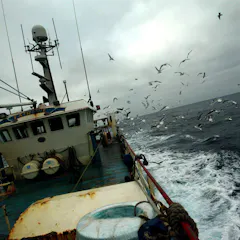
Exiting the EU does not mean closing off British seas.
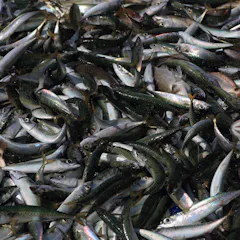
New surveys show the overwhelming antipathy for the EU among UK fishermen.
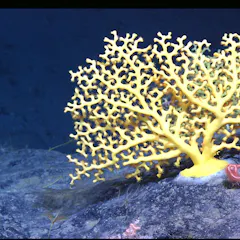
The open oceans are the world’s “wild west”, falling outside any nation’s jurisdiction. UN negotiations are aiming to draft new laws for the high seas.
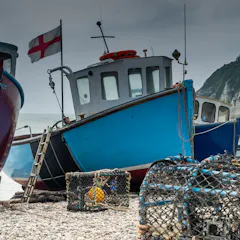
These days, EU policy is more helpful than harmful for Britain’s fish.
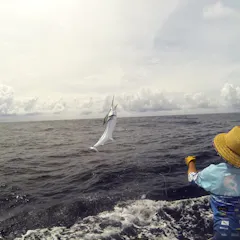
Climate change is driving the iconic black marlin further south, with a possible impact on ecosystems and the fishing industry.
There are no proper laws to combat fisheries crime. As a result, a number of organisations need to join forces to stop the problem.
Fish numbers are rapidly dwindling globally, and fishery subsidies are one of the key drivers behind this decline.

A study suggests that stopping deep-sea trawling at a depth of around 600m makes sense.
South Africa’s oceans economy can contribute R177 billion to the GDP and create up to one million new jobs by 2033. But this requires more skilled people to drive the growth.
The EU wants to ban fishing below 600m, but the scientific case doesn’t stand up.
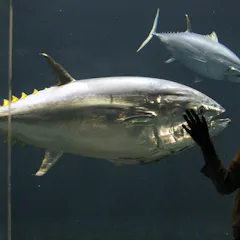
Over-fishing is a massive environmental and economic challenge. Fortunately, there are new solutions being trialled – including in a tuna hotspot in the Pacific.

The Great Southern Reef covers 71,000 square km and contributes more than A$10 billion to Australia’s economy each year.
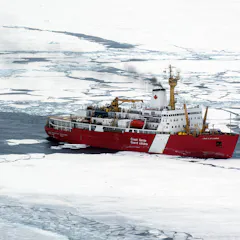
A melting Arctic means new areas will be open to commercial fishing but scientists – and bordering countries – say they need time to study the ecological and economic risks.

Climate change will hit South Africa’s fish population.
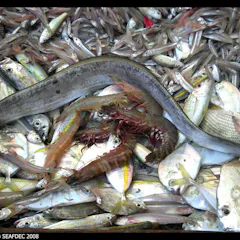
Spreading fishing pressure evenly across whole marine ecosystems sounds like a great idea. But there’s a hitch – we can’t technologically do it, and even if we could, it would be expensive.
Top contributors
-

Director & Professor, Fisheries Economics Research Unit, University of British Columbia
-
Wen Family Chair in Conservation, The University of Western Australia
-
Associate Professor, Marine Ecology and Fisheries Biology, University of Plymouth; Marine Biological Association
-
Professor of Marine Ecology, University of Technology Sydney
-
Professor of Complex Systems and Environmental Policy, Bournemouth University
-
Senior Research Fellow, Conservation Science, University of Oxford; Bangor University
-
Professor & ARC Laureate Fellow, Thriving Oceans Research Hub, School of Geosciences, University of Sydney
-
Research Scientist, Fisheries & Marine Institute, Memorial University of Newfoundland
-
Chief Scientist, Heriot-Watt University
-
Emeritus Professor of Environmental Governance, UCL
-
Researcher in Ecosystem Dynamics, University of California, Santa Cruz
-
Professor, Conservation Biology, The University of Queensland
-
Senior Principal Research Scientist, CSIRO
-
Associate professor, Singapore Management University
-
Associate Professor in Marine Biology, Swansea University