
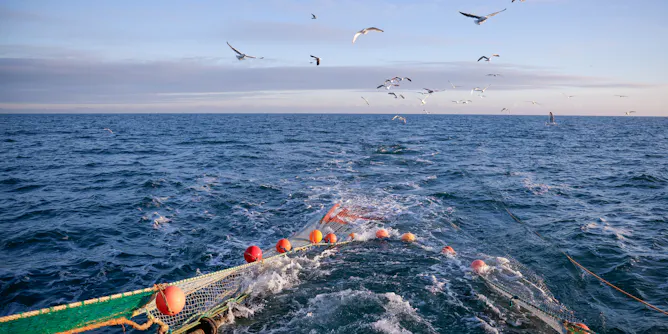
Amid renewed debate over bottom trawling, decades of marine research suggest the balance between fishing and conservation needs revisiting.
Articles on Commercial fishing
Displaying 1 - 20 of 46 articles

As sea ice melts, more of the Arctic Ocean opens up. A former ambassador explains how this treaty creates time for scientists to figure out what lives there.
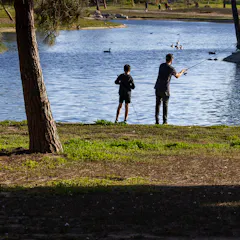
Combining more than 15,000 reports from 36 states, researchers estimate that recreational fishing puts $3 billion worth of food on Americans’ tables each year.
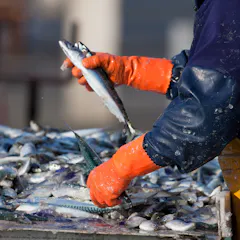
Overfishing affects food security, blue economy jobs and climate resilience.
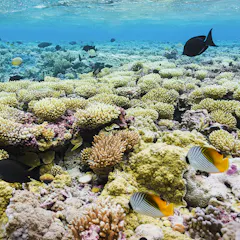
America’s marine protected areas help fish populations thrive. Trump’s plan to open them to industrial fishing may ultimately harm the fishing industry itself.

As the Arctic Ocean loses sea ice due to climate change, fisheries access is increasing and large-scale exploitation is on the horizon. Here’s how to manage the uncertainty and the risks.
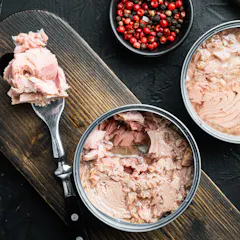
A tin of tuna is significantly cheaper than many types of fresh meat or fish. But how much can you eat before you need to worry about mercury?
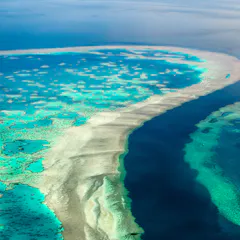
Australia needs to drop the deception that square kilometres say anything meaningful about conservation.
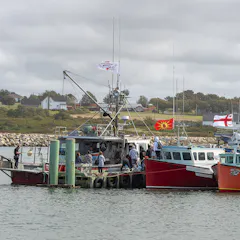
The message from commercial fishers is that fishing in St. Marys Bay outside the commercial season is illegal and a conservation concern. In fact, it is neither.
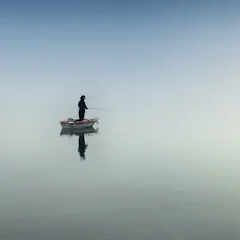
Local fish are almost impossible to find on the shelves of grocery stores in northern Ontario, even though the region has an abundance of fish.
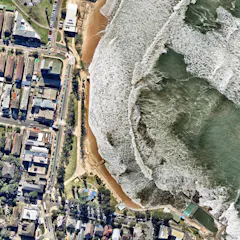
The IPCC report says extreme sea level events that used to hit once a century will occur once a year in many places by 2050. This situation is inevitable, even if emissions are dramatically curbed.
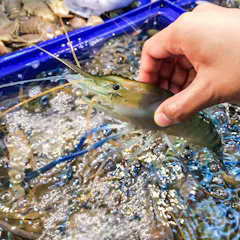
Entire populations of prawn ‘super-females’ are now being commercially distributed. The science behind this continues to advance and could have a far-reaching impact on both humans and animals.
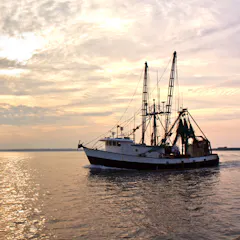
West Coast fisheries policy leaves the door open to speculative investors who see opportunity and can snap up fishing licences and quotas.
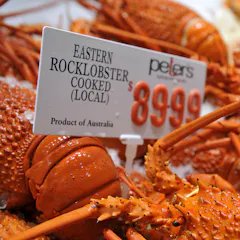
Australian fishing boats throw away up to half the fish they catch. To make the seafood industry sustainable, we need to eat all the fish that get caught.
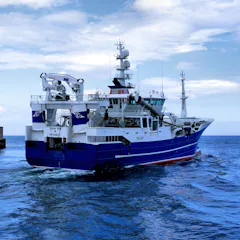
The ongoing Brexit negotiations have provided no certainty or clarity to the industry.
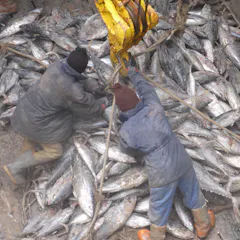
The seafood industry is a major contributor to modern slavery.
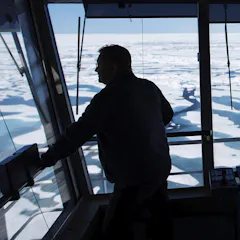
The recent Arctic Council meeting in Finland shows there’s still avid interest in developing the Arctic. Some are arguing the entire region should be considered a ‘global commons.’
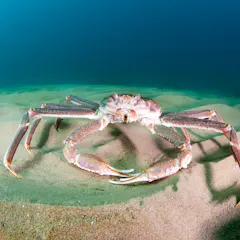
The tale of the snow crab bears witness to the how the complexities of climate change and fights over fishing rights play out.
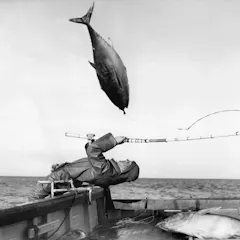
The history of fisheries exploitation in Australia reveals a staggering natural bounty, which has been alarmingly fragile without proper management.
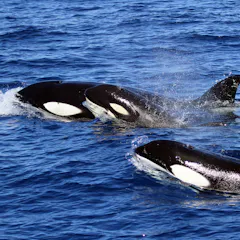
The government aims to dramatically reduce the areas offered full protection and expand zones where fishing is allowed, while also claiming that this will still deliver good conservation.
Top contributors
-
Honorary Fellow in Economics, The University of Queensland
-

Assistant Professor, School of Energy, Geoscience, Infrastructure and Society // CEO MarFishEco Fisheries Consultant Ltd, Heriot-Watt University
-
Professor of Marine Ecology, University of Technology Sydney
-
Wen Family Chair in Conservation, The University of Western Australia
-
Visiting Fellow, University of Technology Sydney
-
Associate Professor, Marine Ecology and Fisheries Biology, University of Plymouth; Marine Biological Association
-
Principal Research Fellow, Institute for Marine and Antarctic Studies, University of Tasmania
-
Professor of Law, University of Hull
-
Principal Research Fellow, University of Wollongong
-
PhD Candidate in Cultural Studies, University of Sydney
-
Senior Principal Research Scientist, CSIRO
-
Senior Research Fellow, James Cook University and Senior Curator of Corals, Queensland Museum, James Cook University
-
Professor in Public History, University of Technology Sydney
-
Emeritus Professor, Fisheries Aquaculture and Coasts Centre IMAS, University of Tasmania
-
Lecturer in Aquaculture and Fisheries, Swansea University