
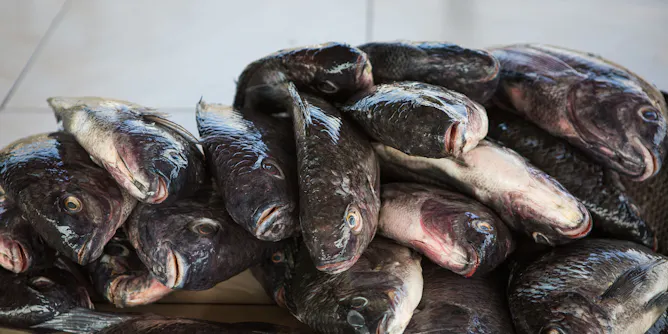
Navigating the benefits and risks of eating fish is a daily concern for consumers in Kenya due to persistent environmental pollution. How much are they influenced by nutritional labelling and guidelines?
Articles on Fish farming
Displaying 1 - 20 of 43 articles
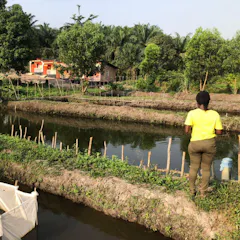
Wild fish sustain life in Sierra Leone’s fishing towns, but declining stocks mean fish farming is needed. However, fishing communities distrust farmed fish.
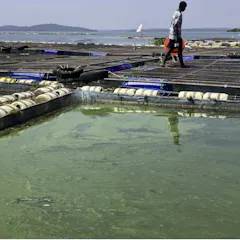
Lake Victoria’s aquaculture industry holds promise for improving food security and livelihoods in east Africa.
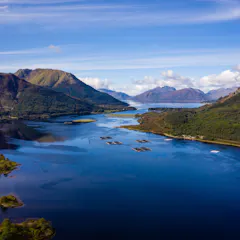
Scientists warn escaped farmed salmon could interbreed with wild fish, further endangering Scotland’s fragile populations.
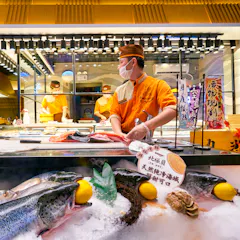
Attempts to farm salmon in China have not been successful but importing is expensive and environmentally costly.
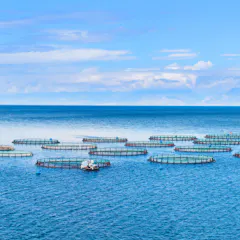
As we go from fishing to fish farming, we should borrow restorative approaches from permaculture.
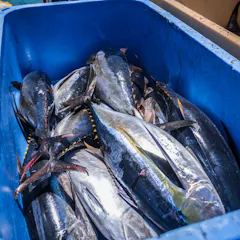
Breeding tuna in captivity is a promising solution to overfishing, but there are concerns surrounding fish welfare.
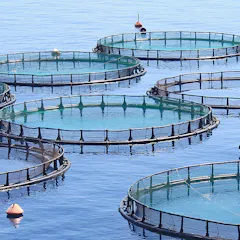
Ecolabelled seafood fetches higher prices in supermarkets, giving retailers and producers the incentive to up their sustainability game.

Consumers are increasingly concerned about the sustainability of their fish.

Combining aquaculture and hydroponics, aquaponics unearths value in “waste” flows and re-routes them back into the economy. It’s an inspiring example of how a circular-economy business model can work.
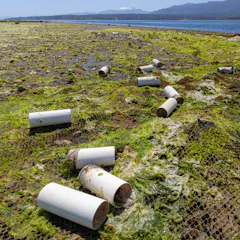
Growing demand for large salt-water clams is leaving parts of the B.C. coast littered with plastic debris.
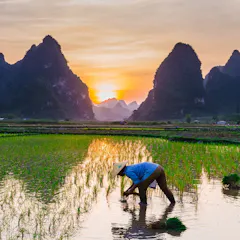
A new IPCC report has called for radical changes in food production to avoid catastrophic climate change. Rice-fish farming and mixed crops could help.
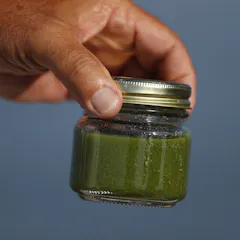
Scientists are predicting major algae blooms in Lake Erie and large dead zones in the Chesapeake Bay and Gulf of Mexico this summer. Nutrient pollution from industrial corn farming is a major driver.
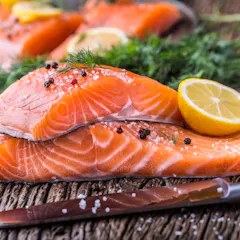
Fish farming has been criticised for a lack of sustainability – here’s what has been changing and what still remains a challenge.
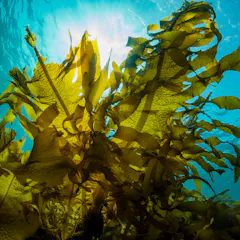
Feeding pigs seaweed could make them, us and the planet healthier without contributing to antibiotic resistance in bacteria.
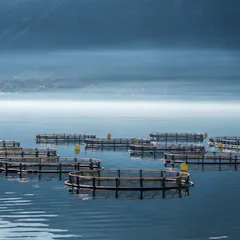
With proper regulation, Lake Victoria’s fisheries could increase production without damaging wild stocks or the environment.
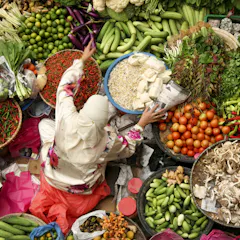
We need to change how we produce, ship, eat and waste food to improve our health and that of the planet.
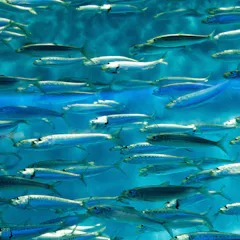
For the most nutritious and sustainable seafood option, try small ocean fish.

Many people focus just on agriculture and new technologies for feeding the world’s growing population. Yet, fisheries are the centerpiece of billions of people’s diets.
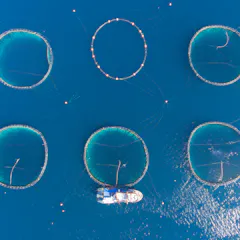
Aquaculture is endangering the marine environment, threatening the livelihood of small-scale fishers and food security.
Top contributors
-

Professor of Aquatic Resources Development, University of Stirling
-
Director, Freshwater Systems Research, Kenya Marine and Fisheries Research Institute
-
Professor of Landscape Architecture and Nature Based Solutions, University of Greenwich
-
Director of Marine Sciences and Professor of Aquaculture, Flinders University
-
Professor of Biology and a marine plant biologist, University of Cape Town
-
Head Scientist, Instituto Español de Oceanografía (IEO - CSIC)
-
Visiting Fellow, University of Technology Sydney
-
Professor, University of Tasmania
-
Collaborative Researcher, Research Institute for Humanity and Nature
-
Postdoctoral Fellow in Natural Resource Economics, University of Stavanger
-
Professor of Agricultural and Life Sciences, University of Florida
-
Visiting Scholar, School of Behavioral and Social Sciences, Arizona State University
-
Adjunct Associate Professor, University of Canberra
-
Associate Professor in Environmental and Resource Economics, University of Southern Denmark
-
Chief Research Scientist - Environment, CSIRO