
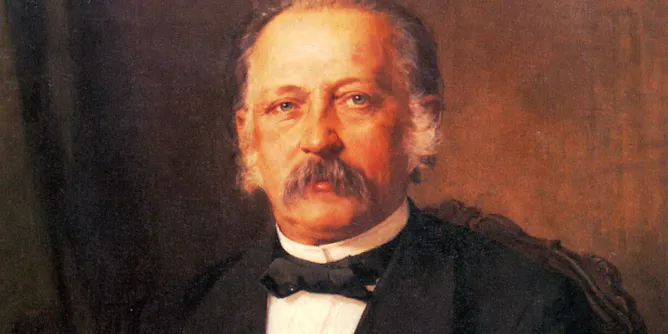
Theodor Fontane was a German newspaper’s England correspondent – who reported ‘from’ London without leaving his Berlin desk.
Articles on Fiction
Displaying 341 - 360 of 384 articles
James Patterson – one of the world’s bestselling authors – may not principally be a writer.
Whether the ubiquity of fiction has devalued truth or enhanced morality has been in doubt for over 2,000 years.
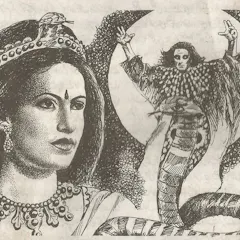
Pakistani pulp fiction often portrays Hindu characters as evil demons and Muslims as heroes, an attempt to spread nationalist ideology.
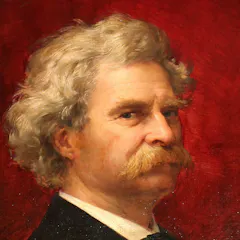
He probably would have been amused by – and maybe even befriended – Trump the entertainer. Trump the president? Not so much.
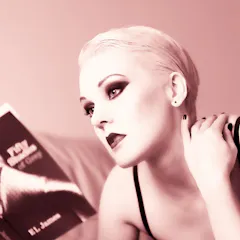
From censorship, to mainstream, to Donald Trump: erotica has a long and varied history.
Despite the escapist nature of these romance novels, there is a considerable amount of realism contained within their pages.
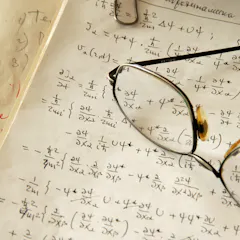
Thomas Barlow is more used to writing factual reports on science innovation, so his first novel gives an entertaining insight into the science community.
Virginia Woolf’s archive can be seen as a serious resource for research into the experience of hearing voices.
A number of novels provide links between risk-assessment, financial speculation, and terrorism. But simultaneously, real life terror in 2016 renders writing about it completely and utterly pointless.
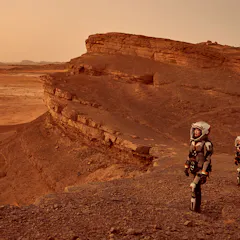
The recently broadcast TV mini-series, “Mars”, combines fiction and nonfiction in a way that places them in balance. This kind of combination is likely to feature in more television series and films.
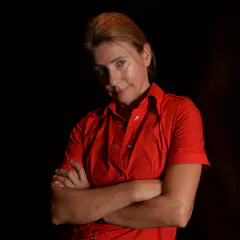
Lionel Shriver’s controversial speech about cultural appropriation has made headlines around the world. But the debate need not be a binary one – novelists might approach characters from other cultures as ‘thoughtful tourists’.
A war hero and a philanthropist, or a bully and a misogynist – there are many versions of the enigmatic author.
The debates surrounding the 9/11 novel have been as informative as the novels themselves.

The work of one legal thriller writer in particular shines a light on two of today’s most pressing dilemmas.
Two sociologists recommend their favourite thriller for your summer reading.
An unfinished crime novel was a strange portent of recent events in Dallas.
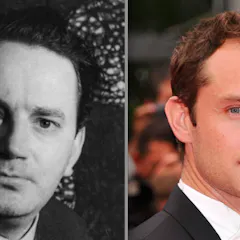
The president of the Thomas Wolfe Society explains why Law had his work cut out for him when he agreed to portray a man who was “a hydroelectric plant of emotion.”

A book about drug addiction and prostitution aimed at ‘young adults’ was a very daring thing 20 years ago.
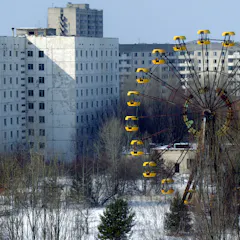
Chernobyl’s liquidators have come up with some intriguing ways of dealing with what they’ve gone through – without directly confronting painful memories.
Top contributors
-

Distinguished Professor Emerita of Creative Practice, Faculty of Arts and Design, University of Canberra
-
Professor of English Literature, University of Southern Queensland
-
Professor, Chair of Australian Literature, The University of Western Australia
-
Associate Professor in Literary Studies, RMIT University
-
Lecturer in English Literature, Adelaide University
-
Lecturer, Creative Writing, Adelaide University
-
Professor of English, Institute for Humanities and Social Sciences, ACU, Australian Catholic University
-
Senior Lecturer, Writing, Department of Media and Communication, Swinburne University of Technology
-
Adjunct Lecturer, English and Creative Writing, UNSW Canberra, UNSW
-
Senior Lecturer in Humanities, University of Southern Queensland
-
Dean of Research (Creative), Adelaide University
-
Director of Creative Writing, Macquarie University
-
Senior Lecturer in Writing, Literature and Culture, Deakin University
-
Professor, English and Creative Writing, Adelaide University
-
Professor of Creative Writing, University of Technology Sydney