
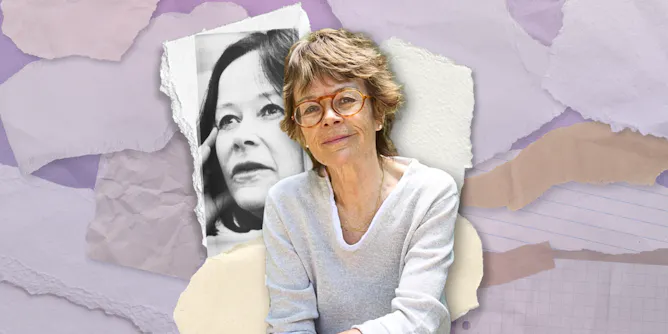
Hilary McPhee co-founded McPhee Gribble, the legendary Australian publishing house responsible for Monkey Grip, Puberty Blues and Cloudstreet.
Articles on Australian literature
Displaying 1 - 20 of 333 articles

In Mine, Adam Ouston reveals the contradictions between Tasmania’s conception of itself and its history of human and environmental devastation.

The Broad Bean Sermon, while not his best-known poem, shows why Les Murray is considered by some to be Australia’s preeminent poet.
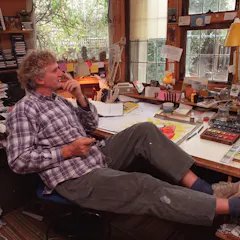
Terry Denton was wickedly funny, unpretentious and won multiple awards for his illustrations – and sold millions with Andy Griffiths. He will be dreadfully missed.
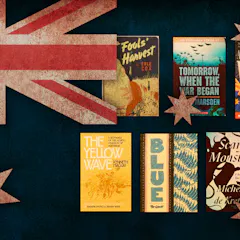
Foreign ‘invasion plots’ have featured in Australian literature for more than a century. Though critiqued by some authors, fears of white erasure endure.

Blanche d'Alpuget had a long and successful career as a writer, but it was her stunning biography of Bob Hawke that brought her fame – and influence.

Richard Flanagan is a natural raconteur. While some of his essays seethe with anger, his passion for literature is infectious.
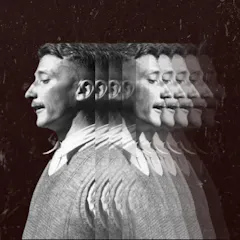
Francis Webb was the first Australian poet to openly discuss mental health crises and the stigmatisation of mental patients.
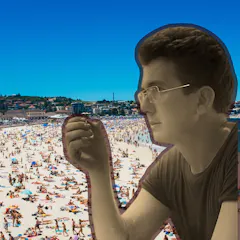
David Malouf declared John Forbes ‘the most elegant and inventive poet’ of his
generation.
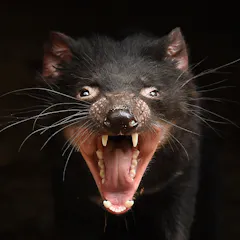
Read together, these very different books ask a question: do we have to choose between hope for the future and accepting life in all its bizarre banality?
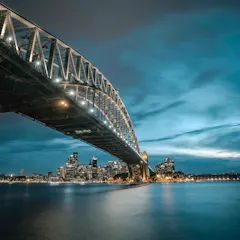
Five Bells is an elegy for Kenneth Slessor’s friend Joe Lynch, an artist who drowned in Sydney Harbour in 1927 after falling from a ferry.
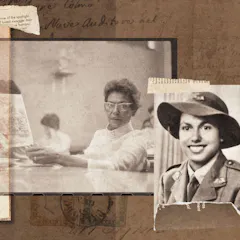
Oodgeroo’s debut collection We Are Going was the first ever book of poetry published by an Aboriginal person.
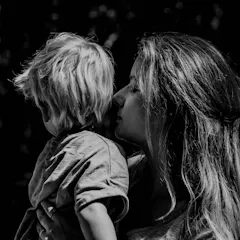
The End of Romance is a relatable dystopia that amplifies humanity’s burning problems – but offers a glint of hope

Kris Kneen’s Rite of Spring is a pulsing story that moves energetically across its terrain, delivering a sense of alien understanding.
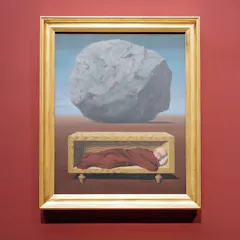
A suspicion of prose poetry permeated Anglophone countries in the 20th century. Today, it is rejuvenating poetic traditions.
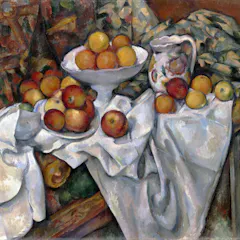
These vibrant, provocative books come together in their contemplation of what it means to be Australian in a global context.
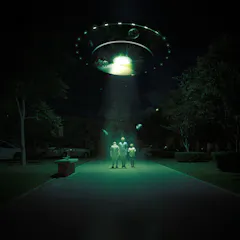
Amanda Lohrey’s Capture takes place in weird shiny rooms, where humans are studied with curiosity and partial incomprehension.
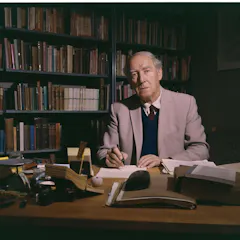
In A.D. Hope: A Life, Susan Lever shows the philosophical reach, formal brilliance and impassioned force of Hope’s poetry.

David Carlin and Peta Murray offer hopeful, poignant and personally informed responses to ageing and mortality.
Conversations about death emphasise choice, control or dignity. Circle of Wonders offers a quiet corrective, insisting that dying is relational.
Top contributors
-

Distinguished Professor Emerita of Creative Practice, Faculty of Arts and Design, University of Canberra
-
Professor, Chair of Australian Literature, The University of Western Australia
-
Professor in Politics and Journalism, University of Notre Dame Australia
-
Dean of Research (Creative), Adelaide University
-
Associate Professor in Literary Studies, RMIT University
-
Professor of English Literature, University of Southern Queensland
-
Senior Lecturer in English Literature, Charles Sturt University
-
Emeritus Professor of Creative Writing, The University of Melbourne
-
Director of Creative Writing, Macquarie University
-
Associate Professor of English, Australian National University
-
Associate Professor, Creative Writing and Literary Studies, Victoria University
-
Director of AustLit, Associate Professor in Digital Cultural Heritage, The University of Queensland
-
Professor of Writing and Literature, Deakin University
-
Associate Professor in Literary Studies, Monash University
-
Senior Lecturer, Creative Writing and English, Edith Cowan University